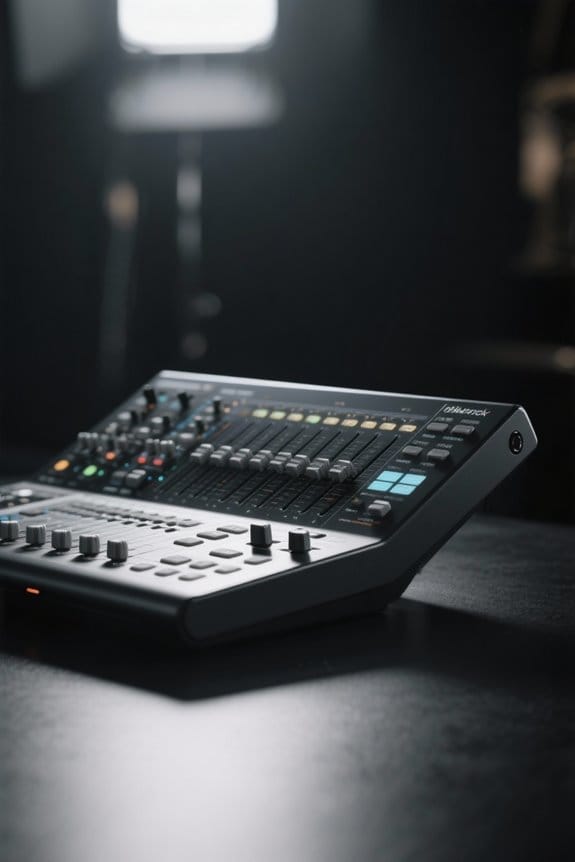
As an Amazon Associate, we earn from qualifying purchases. Some links on this site are affiliate links at no extra cost to you. Our recommendations are based on thorough research and editorial judgment.


The Difference Between Hardware and Software Audio Processing

Hardware audio processing uses specialized devices for high-quality sound, often yielding warmth and unique textures, but can be pricier. Software options are more budget-friendly and user-friendly, perfect for casual creators, yet they may lack the authentic character of hardware. Each has its strengths; hardware excels in studios and live setups while software shines in home studios. If you’re curious about the best use cases and future trends, there’s plenty more to explore!
Key Takeaways
- Hardware audio processing involves specialized devices that enhance sound quality, while software solutions offer budget-friendly and user-friendly alternatives for audio manipulation.
- Hardware provides unique sonic characteristics and reliability, whereas software excels in precision and customization options for sound design.
- Workflow efficiency is generally higher with hardware due to tactile controls, while software may lead to indecision and performance issues.
- Hardware is preferred in professional settings like studios and live performances, while software caters more to casual music creators and content producers.
- The future of audio processing is moving towards hybrid solutions that combine the strengths of both hardware and software for enhanced flexibility and performance.
Overview of Audio Processing Solutions
When diving into the world of audio processing, it’s easy to feel overwhelmed by the choices out there. Audio processing solutions typically fall into two categories: hardware and software. Hardware-based options involve specialized devices that enhance sound quality with impressive reliability. Think of them as the sturdy backbone of professional music production, where high fidelity is essential. On the other hand, software-based solutions, while often budget-friendly and user-friendly, depend on your computer’s performance. Imagine trying to run a heavy application while streaming your favorite tunes; it can get a bit dicey! Each has its unique perks and quirks. So, whether you’re after exceptional sound or everyday convenience, there’s an audio processing solution for everyone—and yes, even your aunt might like it! Many modern interfaces offer zero-latency monitoring capabilities, ensuring real-time feedback during recording sessions without any audio delays.
Hardware vs. Software: Key Characteristics

Both hardware and software audio processing have key characteristics that set them apart, making it important for users to understand their options. Hardware solutions utilize dedicated chips, ensuring reliability and excellent sound quality—like that dependable friend who shows up on time. In contrast, software solutions rely on general-purpose hardware, possibly bogged down by other apps. Want instant access? Hardware provides tactile controls, while software dazzles with flashy visual interfaces. High-end audio systems often lean on hardware for unique sonic traits, such as beloved ‘warmth’ or harmonic distortion. On the flip side, software offers flexibility for creating custom effects. While both can deliver quality, consistent performance often nudges users towards hardware. After all, nobody likes surprise update shenanigans! For optimal recording quality, many professionals combine their hardware setup with microphone isolation shields to minimize unwanted noise reflections and achieve clearer sound.
Recommended Products

Flagship 88-note weighted-action synthesizer keyboard with thousands of electronic and acoustic sounds powered by Roland’s advanced ZEN-Core, V-Piano and SuperNATURAL technologies, with authentic acoustic grand sound and response

Max 8.0 Megapixel Full HD Realtime Recording 32 Channel H.265 4K NVR with (32) 8MP 4K Weatherproof POE H.265 IP Dome Cameras (Built-in microphone for audio recording and 2.8mm lens for 120° wide angle view)
![HIDevolution [2025] ASUS ROG Flow Z13 GZ302EA 13.4" WQXGA 180Hz Touch, 3.2 GHz Ryzen Al Max+ 395, 128GB LPDDR5X RAM, 1 TB PCIe SSD, Windows 11 Pro](https://m.media-amazon.com/images/I/419HVvISqyL._SL500_.jpg)
AMD Ryzen Al Max+ 395 16 Core - 32 Thread Processor, 3.0 GHz (Max Turbo Frequency 5.1 GHz), 80 MB Smart Cache
Sound Quality Considerations

While evaluating sound quality, it’s essential to contemplate the distinct characteristics each processing method brings to the table. Hardware processors often add unique texture and warmth to audio with their analog components. This creates a sound that’s more “fat” and, dare we say, delightfully “dirty.” Many users enjoy the harmonic distortion from hardware, finding it enhances richness and gives audio an organic quality. On the flip side, software processors excel in precision and clarity, wrapping your sound in a neat, clean package. But sometimes, that can lack the inviting warmth of analog warmth. Many professionals still lean toward dedicated hardware units for that authentic sonic character. So, remember, it’s about what suits your style and vibe best! Just like active studio monitors, which feature built-in amplifiers, hardware processors can simplify your audio setup while maintaining professional sound quality.
Recommended Products

24-bit/192kHz USB Audio/MIDI Interface with 4 Mic/Instrument Preamps
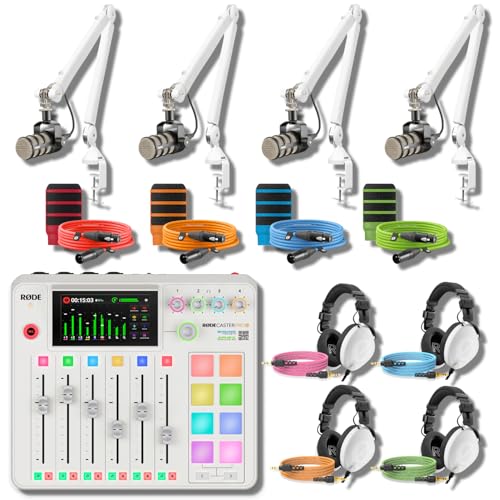
ALL-WHITE 4-HOST RIG — REFERENCE HEADPHONES AT EVERY CHAIR: A multi-host podcast needs more than four broadcast mics on white arms — every host needs studio-grade monitoring, not entry cueing cans. This bundle pairs the RodeCaster Pro II White console with 4 PodMic mics, 4 PSA1+ White arms, 4 NTH-100 White headphones, 4 color NTH cables, 4 color XLR cables, and 4 WS14 pop filters in Orange, Green, Pink, and Blue. Podcast producers and panel hosts — assign a color per host, start recording today.

Mini LED Brightness and Contrast: Experience a new era in contrast. With a unique local dimming algorithm, XR Backlight Master Drive precisely controls thousands of Mini LEDs for truly authentic contrast | Billions of Real-World QLED Colors: See the world’s colors with all the vibrance of real life. XR Triluminos Pro reproduces over a billion of them with the subtle differences from saturation and hue that enables natural shades in every detail
Workflow Implications of Hardware and Software

Flexibility in the creative process often hinges on the tools at hand. Hardware audio processing typically promotes a structured approach, which can sharpen focus. Fewer options mean less chance for indecision, allowing artists to dive deeper. The tactile buttons and knobs on hardware boost workflow, offering instant sound tweaks. In contrast, software’s countless choices sometimes lead to analysis paralysis. Plus, hardware usually avoids those pesky compatibility issues that software can create. Dedicated hardware means no distractions—just pure audio tasks. Meanwhile, software users juggle resources, worrying about performance drops. Ultimately, the commitment to specific hardware fosters a stronger understanding of tools, encouraging purposeful sound design. It’s like having a dependable friend who knows your sound better than you do! Modern cardioid pickup patterns in hardware processors significantly enhance audio clarity while reducing unwanted background noise.
Recommended Products


Product 1: 16 Built-In Effects Pads + Delay, Reverb and Compression

High-performance set of 7 microphones tuned and matched to capture every nuance of a full drum kit
Customization and Flexibility

Customization in audio processing opens up a world of possibilities for creators. Software-based solutions stand out with extensive customization options, including adjustable parameters, plugins, and user-friendly visual interfaces. These tools empower users to tailor their sound to perfectly fit their requirements. With preset libraries that allow modification, software offers remarkable flexibility compared to more rigid hardware options, which often come with fixed settings. Plus, open-source software lets you modify code, creating your unique tools—how cool is that? Integration of virtual instruments and effects provides endless combinations for creative experimentation, inviting users to explore beyond typical hardware setups. In short, software’s flexibility transforms audio processing from a simple task into an exciting playground for sound design. So, let’s get creative! Modern interfaces like the RDECaster Pro II demonstrate how hardware has evolved to incorporate customizable features with its nine programmable channels and SMART pads for enhanced audio control.
Cost Factors in Audio Processing
In the world of audio processing, cost is a major player that can greatly impact a creator’s equipment decisions. Hardware solutions often need a higher upfront investment. Think thousands of dollars for physical components and curious circuitry! That’s tough for casual users. On the flip side, software options are usually way more affordable. Many even offer free trials, so you can start tinkering without breaking the bank.
However, keep in mind that while hardware might retain its value, software often comes with sneaky subscription fees or frequent upgrades. So, the choice between hardware vs. software often comes down to individual budgets. Sure, hardware demands more upfront cash, but software might just keep asking for a little more down the road! For beginners seeking quality without excessive costs, the M-Track Solo interface provides professional 48 kHz resolution while maintaining a budget-friendly price point.
Recommended Products

USB-C Audio Interface with 8 Preamps

Record Like a Pro: With up to 24-bit/96kHz audio and six-track simultaneous recording, our audio recorder lets you capture every detail of your sound.
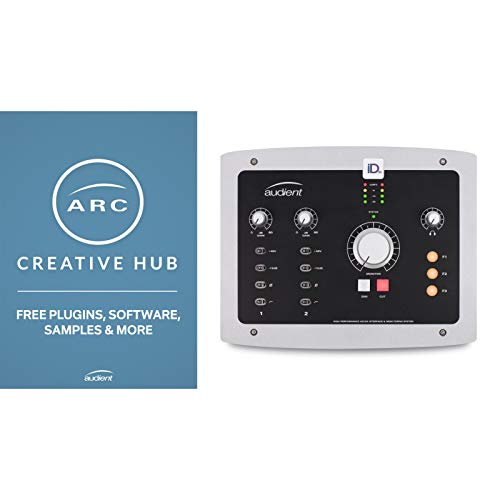
10-In, 14-out desktop interface
User Experience: Tactile vs. Digital
How essential is the feel of physical controls when it comes to audio processing? For many musicians, the user experience of hardware is unmatched. Those tactile knobs and faders create a hands-on connection, making sound manipulation feel intuitive. This can spark creativity in ways that digital interfaces sometimes can’t. With hardware, immediate feedback allows for quick adjustments, speeding up workflow during music production.
Like heavy-duty mic stands, physical audio processors offer reliable stability that digital solutions can’t always match. On the flip side, the crowded options of software can lead to decision fatigue. It’s all too easy to get lost in endless menus. Don’t forget the frustration of a digital interface crashing—yikes! Many prefer the straightforward functionality of hardware processors, which simplifies the creative process. In audio, sometimes less really is more.
Innovations in Audio Processing
Audio processing is undergoing a thrilling transformation due to recent innovations. Machine learning algorithms have revolutionized how we perceive audio, enabling more natural-sounding transformations. Hybrid audio processing solutions are gaining traction, combining hardware reliability and software options for flexibility. Imagine mixing with tools that let you tweak effects in real-time—thanks to AI-driven processors, that dream’s now reality. Digital signal processing has also taken giant leaps, allowing for features like pitch shifting and vocal modeling, which only pros could do before. Plus, intuitive interfaces in both hardware and software make these advanced tools accessible, even to the less tech-savvy among us. Who knew audio magic could be just a click away? It’s an exciting time for audio enthusiasts! Modern XLR latch connections provide secure, professional-grade audio control for both hardware and software processing applications.
Best Use Cases for Hardware and Software Solutions
While both hardware and software audio processing offer unique advantages, choosing the right solution often depends on specific needs. For professionals in recording studios or during live performances, hardware is the go-to choice. Its reliability and real-time processing minimize risks during shows. Conversely, software shines in casual music creation, making it perfect for home studios. It’s budget-friendly and offers tons of features—without breaking the bank. Content creators especially love software for its seamless integration with digital audio workstations (DAWs), simplifying their workflow. Plus, if you’re into experimenting with sound design, software lets you tweak effects easily, while hardware can feel a bit more like a traditional art form. So, which one’s right for you? It really depends! Modern cardioid pickup patterns in microphones have become essential for both hardware and software processing, helping to isolate clear vocals while reducing unwanted background noise.
Recommended Products

13.2 CH A/V Receiver (150W + 150W 8ohms, 1kHz, 2ch, THD 0.9%)

MINI LED BRIGHTNESS AND CONTRAST: Thousands of Mini LEDs are precisely controlled by XR Backlight Master Drive to deliver authentic contrast and our brightest ever 4K TV.
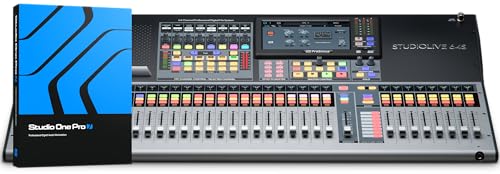
The most powerful and flexible digital console available for installed sound, touring, and recording with quad-core FLEX DSP Engine powering 526 simultaneous processors
Open-Source vs. Closed-Source in Audio Systems
What makes the choice between open-source and closed-source audio systems a hot topic in the tech community? Open-source audio systems allow users to freely access, modify, and customize drivers, fostering collaboration and transparency. This adaptability can spark creativity, especially when users report issues or contribute enhancements—think a group project that actually goes well!
On the other hand, closed-source systems are proprietary. This means limited flexibility but often deliver high-quality results and solid support. They come with customer service and regular updates, ensuring stable software. Similar to how UPS power protection ensures reliable device performance during outages, closed-source systems provide dependable operation through controlled development. Users might lean toward open-source for cost-effectiveness or closed-source for reliability and smoother integration. Ultimately, it’s about personal preference—like choosing between tacos or pizza, both delicious but oh-so-different!
The Impact of Technology on Audio Production
Innovation in technology has transformed the landscape of audio production, making it more dynamic and accessible than ever. Hardware audio processing delivers superior reliability, thanks to dedicated chips optimized for sound performance. These systems often create unique textures that software just can’t match. On the flip side, software solutions provide incredible flexibility, allowing users to explore lots of features. This can sometimes leave them feeling a bit overwhelmed—too many choices, anyone? The rise of hybrid solutions brings together the best of both worlds: reliable hardware with the versatility of software. While software has made audio production more affordable, concerns about updates and compatibility can cause headaches down the road. Still, technology’s impact on this field is undeniably game-changing!
Future Trends in Audio Processing Solutions
As the world of audio processing evolves, exciting trends are on the horizon, shaping the future of how sound is created and manipulated. Hybrid solutions are combining the best of both worlds—reliable hardware and flexible software. Meanwhile, AI-driven audio processing is upping the game, allowing real-time adjustments that high-end hardware once held as exclusive. Open-source platforms are democratizing access, empowering users to craft personalized solutions tailored to their unique styles. Cloud-based solutions are also making waves, offering powerful processing capabilities without hefty price tags. Plus, there’s a big push for user-friendly interfaces, making it easier for everyone to express their creativity. So, gear up—there’s a revolution in audio processing just around the corner!
Frequently Asked Questions
What Is the Difference Between Audio Hardware and Audio Software?
Audio hardware includes physical devices like audio interfaces and digital mixers, emphasizing reliability and sound fidelity. In contrast, audio software offers flexibility and customization through applications but may struggle with performance consistency compared to hardware solutions.
What Is the Main Difference Between Software and Hardware?
In a world where sound dances through circuits and code, the main difference lies in audio latency and processing power; hardware offers reliability and immediate control, while software provides flexibility at the cost of potential delays.
Is a Speaker a Software or Hardware?
A speaker is classified as hardware, specifically designed for converting electrical audio signals into sound waves. Its physical components work together to produce audible sound, distinguishing it from software, which processes audio digitally.
Is DSP Hardware or Software?
DSP can be both hardware and software, with each offering unique advantages. Hardware DSP applications excel in low latency and reliability, while software DSP applications provide flexibility and cost-effectiveness, catering to diverse audio processing needs.