As an Amazon Associate, we earn from qualifying purchases. Some links on this site are affiliate links at no extra cost to you. Our recommendations are based on thorough research and editorial judgment.

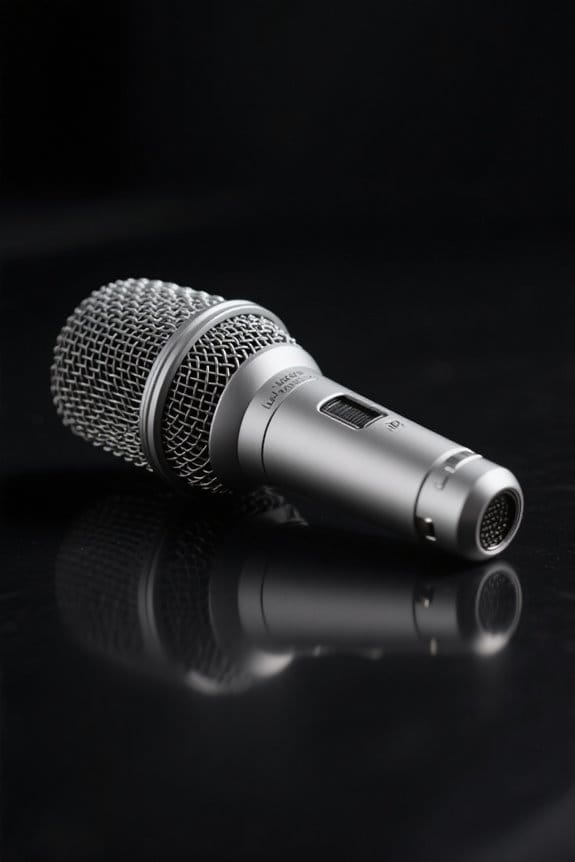
How Film and TV Productions Choose Lavalier Mics

Film and TV productions choose lavalier microphones based on a few key factors. They consider the environment: omnidirectional mics capture sounds from everywhere, while unidirectional mics focus on one direction, great for clear dialogue. Placement is also essential; positioning the mic near the actor’s chest minimizes visibility and maximizes sound quality. Wired mics are dependable but limit movement, while wireless options offer freedom but may introduce battery headaches. Want to learn more about the best mics for your project?
Key Takeaways
- Productions assess the filming environment to select the appropriate mic directionality, favoring omnidirectional for lively settings and unidirectional for controlled ones.
- Proper attachment methods are crucial to prevent rustling and movement disruptions, ensuring clear audio during filming.
- Budget constraints influence the choice, with wired mics being more reliable and cost-effective than high-end wireless alternatives.
- Compatibility with existing gear is essential to avoid connectivity issues and ensure seamless operation between devices.
- Comfort and discreet placement of lavalier mics significantly enhance performances and audio quality while minimizing visibility.
Key Considerations in Lavalier Microphone Selection
When it comes to choosing lavalier microphones, what should filmmakers really keep in mind? First, the environment plays an essential role. For bustling scenes, omnidirectional lavs often excel, while unidirectional mics shine in controlled spaces. Attachment method matters too; a well-secured lav should avoid rustling sounds or movement disruptions. Budget constraints can’t be ignored either. While high-end wireless lavaliers offer fantastic freedom, sometimes reliability means sticking with good ol’ wired mics. Compatibility with existing audio gear is paramount; you don’t want to be stuck with mismatched connectors. Finally, consider comfort and visibility. Placing the microphone discreetly guarantees natural performances, which ultimately leads to better sound. Choosing the right lavalier can make or break that all-important scene! Using quality windscreens and foam covers can significantly reduce unwanted environmental noise during outdoor shoots.
Understanding Directionality: Omnidirectional vs. Unidirectional

While it’s true that both omnidirectional and unidirectional lavalier microphones serve important functions, choosing the right one often depends on the specific needs of a production. Omnidirectional lavalier mics capture sound from all directions, making them great for lively settings like documentaries. They pick up ambient sounds nicely, but hey, that can also mean more background noise! Unidirectional lavaliers, like cardioid mics, focus on sounds from one direction, which enhances dialogue clarity while reducing unwanted noise. They’re perfect for interviews, especially when you want to avoid that pesky street noise. Ultimately, the choice affects audio quality considerably. Choosing the right mic can make the difference between a polished scene and one that leaves viewers reaching for the mute button! Professional models with noise reduction technology can enhance recording quality in diverse environments, making them essential for high-quality productions.
Recommended Products

Compatibility - 3.9 feet (1.2 meters) cable, 3.5mm stereo female screw lock plug compatible with Sennheiser EW100 EW300 EW500 SK100 SK300 SK500 EK100 EK300 EK500 EK2000 G1 G2 G3, EWD1, SK D1 / Line 6 X2 wireless microphone system with 3.5mm locking jack plug input

【New Model Lavalier Wireless Microphone】: utilizes state-of-the-art Series V 2.4GHz digital transmission and proprietary , it delivers crystal-clear, incredibly stable audio with a range of up to 20m. True wireless is not restricted, it automatically pairs when turned on, no other operation is required, easy to operate, and can be used immediately, enjoying wireless freedom

Miniature Lavalier microphone with included tie clip offers low visibility and hands-free use.
The Importance of Microphone Placement

Proper microphone placement is vital for capturing high-quality audio in film and TV productions. Lavalier microphones should ideally be positioned near the chest area, just above the sternum for shirts and blouses. This placement guarantees clear audio while minimizing visibility. For ties, a similar position helps strike a balance between aesthetics and sound quality. When using t-shirts or sweaters, clip the mic to the collar to avoid fabric noise—nobody wants a rustling shirt ruining a take! Creative methods, like hiding mics in hair or props, can also keep things discreet while maintaining audio integrity. Remember, the mic’s distance from the talent dramatically impacts sound quality, making careful microphone placement critical for effective recording. Modern wireless lapel systems featuring noise-reducing technology help minimize background interference while maintaining optimal placement for crystal-clear audio capture.
Wired vs. Wireless Lavalier Mics: Pros and Cons

Choosing between wired and wireless lavalier mics can feel a bit like picking your favorite ice cream flavor—each option has its perks, but your specific needs will guide the best choice. Wired lav mics are often the go-to for tight budgets, as they provide a dependable audio connection without the pesky risk of interference. They excel in studios, where audio quality reigns supreme. On the flip side, wireless lav mics grant freedom of movement, perfect for performances and speeches. However, setting them up can be tricky—who needs more tech hassle? They also require batteries, which isn’t ideal for long shoots. Ultimately, select based on your environment: stable or dynamic, the best lav mics support your vision. Modern wireless systems with active noise reduction can effectively cut ambient sounds by up to 40 dB, making them increasingly viable for professional studio work.
Recommended Products

BUILT FOR LIVE: The single wireless karaoke microphone for adults with the 48kHz/24Bit UHF digital circuitry transmits encrypted signals to avoid signal crosstalk and deliver delay-free accurate sound. 15 UHF tunable frequencies in 902 - 928MHz fend against crowded spectrum conditions, available for simultaneous multiset hookup. The bodypack transmitter connects the headset/lapel singing microphone via the 3-pin mini XLR jack for free performance and pure sound, suitable for live performance.
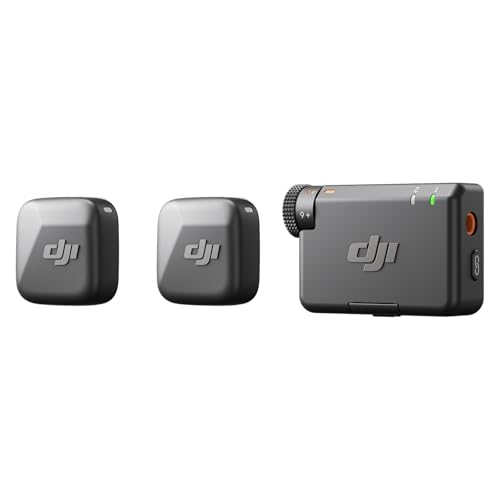
Small but Mighty - The DJI Mic Mini Transmitter is small and ultralight, weighing only 10 g, [1] making it comfortable to wear, discreet, and aesthetically pleasing on-camera.

[INCREDIBLY SMALL] Weighing just 9g, LARK M2 wireless lavalier microphone is the lightest mini microphone on the market. With its lossless sound reproduction and top-of-the-line recording capabilities, it brings you unmatched recording performance. The wireless audio transmission can reach up to 1,000ft line-of-sight range. Perfect for filmmakers, vloggers, and podcasters.
Factors Influencing Audio Clarity in Different Environments

How do you safeguard audio clarity in various filming environments? First, choose the right lavalier mic! Directionality matters: unidirectional mics focus on the speaker, cutting out background noise, while omnidirectional mics soak up all the sound, adding atmosphere. Next, place the mic close to the talent’s mouth but not too close—no one wants to hear rustling clothes!
Environmental factors can pose challenges. Wind can ruin a perfect take, so using a windshield is smart. Also, in noisy places, choosing a mic tailored for that environment is vital. Finally, don’t underestimate acoustic treatment. Soundproofing and minimizing reflections work wonders. Remember, whether filming at a corporate event or outdoors, the right setup guarantees impressive audio clarity—because nobody wants to hear crickets when they should be hearing dialogue! Regular signal-to-noise ratio testing above 70 dB ensures exceptional audio quality throughout your production.
Recommendations for Lavalier Microphones by Usage
While picking the right lavalier mic might seem overwhelming at first, it can truly enhance any production’s audio quality tremendously. For controlled settings, wired lavalier mics are reliable and budget-friendly. However, for those high-energy outdoor scenes or on-stage performances, consider wireless lavaliers, which let performers move freely without cables tangling like an overexcited puppy. If interviews are your thing, omnidirectional lavaliers capture ambient sounds and multiple voices well. In fast-paced news, opt for durable, wireless models that keep audio clear while on the go. For the big-budget productions, supercardioid lavaliers are worth considering, offering greater directionality—perfect for noisy environments. Each choice will shape the overall sound, so choose wisely! After all, great audio can save a not-so-great film!
Recommended Products
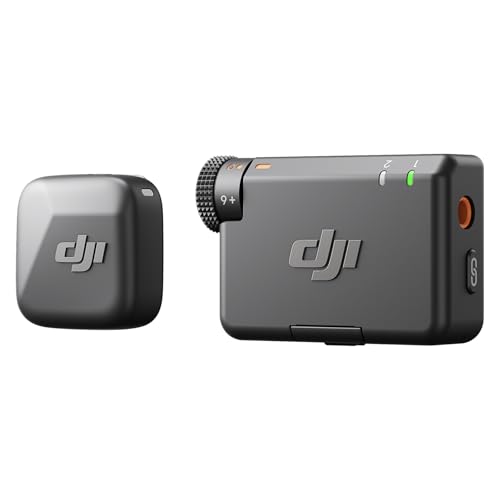
Small but Mighty - The DJI Mic Mini lavalier microphone transmitter is small and ultralight, weighing only 10 g, [1] making it comfortable to wear, discreet, and aesthetically pleasing on-camera.

2-in-1 Fast Charging for iPhone & Android Dual Type-C ports charge 2 pink mini microphones simultaneously in just 1 hour. Enjoy 8+ hours total recording time by alternating mics - perfect for all-day live streams, TikTok videos, and podcasts.

Crystal-Clear Audio Quality: Experience professional-grade sound with an advanced wireless microphone for iPhone featuring 40dB noise cancellation and 200% enhanced wind resistance. Preserves the full 20Hz-20kHz vocal band, delivering studio-quality audio clarity perfect for outdoor vlogs and live streams
Tips for Concealing Lavalier Microphones Effectively
Concealing lavalier microphones can feel like a high-stakes game of hide-and-seek, but with the right techniques, it’s a piece of cake! To start, placing lav mics under jacket lapels or beneath clothing reduces visibility while ensuring great sound. Using hair or wigs can cleverly hide lavaliers without affecting audio quality—perfect for those dynamic action scenes! Just like motion sensor lights, these small mics need strategic placement for optimal performance. Think outside the box with props to disguise your mics; just make sure they stay close to the sound source. Also, remember to take into account fabric choices. Softer materials do wonders by cutting down friction noise from movement, making your sound clearer. Finally, practice different concealment methods during rehearsals to find what works best. Who knew hiding could be so fun?
Recommended Products
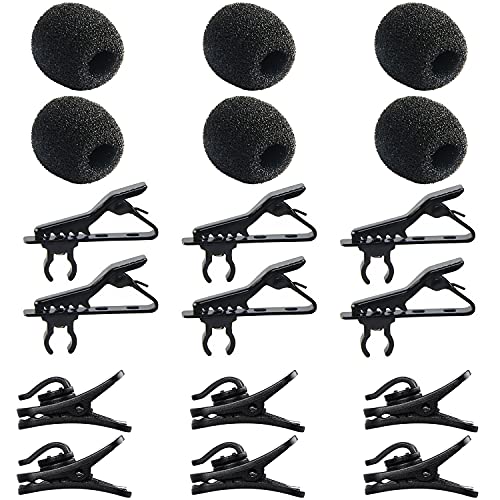
Quantity of Package - Package includes 6pcs lavalier microphone clips, 6pcs foam windscreen covers and 6pcs lav mic plastic wire clips. In total of 18pcs.

Luwigs is Trustworthy Brand for High Quality Hair Products.

Professional-grade wearable microphone designed for use in a wide range of applications including filmmaking, broadcast, streaming and video calls.
Enhancing Talent Comfort During Mic Placement
To guarantee talent feels comfortable during mic placement, clear and open communication is key. Professionals often take time to explain the mic attachment process, which helps build trust and ease. Some filmmakers even give actors the option to mic themselves by dropping the lavalier down through their clothing, which boosts autonomy and minimizes discomfort. Plus, using non-intrusive techniques, like placing mics under clothes or in hair, verifies effective audio capture without sacrificing talent comfort. It’s essential to be mindful of each talent’s preferences regarding mic placement, as this can greatly reduce anxiety. Establishing a relaxed atmosphere through light conversation helps talent feel at ease, making the entire setup process smoother—no one likes feeling like a human pincushion! Modern noise cancellation features available in most lavalier microphones help ensure crystal-clear audio while maintaining a comfortable setup for the talent.
Popular Lavalier Microphones Among Professionals
Selecting the right lavalier microphone can feel like finding a needle in a haystack, especially with so many options available. Among the best lavalier choices, the Shure WL93 stands out for its tiny size and versatility. Perfect for various settings, it’s a hidden gem. For louder environments, the Shure WL184’s supercardioid feature effectively zaps background noise. Beginners often love the Rode SmartLav+, a budget-friendly option that offers solid sound quality without breaking the bank. Outdoor enthusiasts swear by the Shure DuraPlex DL4’s waterproof durability. Meanwhile, the Sennheiser EW 100 ENG G3 delivers impressive wireless performance, making it ideal for event filming. These lapel mics combine practicality with exceptional sound, proving that great things come in small packages! For optimal audio capture in any scenario, look for mics with signal-to-noise ratio ratings of 78 dB or higher to ensure crystal clear recordings.
Future Trends in Lavalier Microphone Technology
What might the future hold for lavalier microphones in film and TV? Exciting advancements lie ahead! Soon, wireless technology will get even more reliable, slashing latency for smooth audio capture. Imagine smart lav mics using AI to adjust sound levels on the fly, isolating the speaker’s voice perfectly. Background noise? No problem! Future models are likely to boast built-in noise-cancellation capabilities, letting you focus solely on what matters—great audio. Plus, with advanced battery technologies, expect longer-lasting rechargeable batteries that minimize downtime during shoots. As designers continue to miniaturize components, lavalier mics will become even more discreet, so they won’t be the star of the show—just the unsung hero delivering crystal clear sound behind the scenes! Current models like the Hollyland Lark M2 already demonstrate this evolution with their ultralight 9-gram design and impressive 40-hour battery life.
Frequently Asked Questions
What Is the Best LAV Mic for Filmmaking?
The best lav mic for filmmaking varies; budget options like BOYA BY-M1 are effective, while wireless kits offer mobility. Microphone placement techniques are essential, ensuring ideal sound quality amidst choosing between wired and wireless solutions.
Are Lavalier Mics Good for Filmmaking?
Lavalier mics are advantageous for filmmaking due to their discreet nature and superior sound quality. With wireless options available, they provide flexibility, allowing actors to move freely while ensuring clear audio capture in various environments.
What Is the 3 to 1 Rule for Microphones?
The 3 to 1 rule for microphones dictates proper microphone placement, requiring that each mic be three times farther from others than from the sound source. This minimizes sound interference, enhancing audio clarity in recordings.
How to Choose a Lavalier Mic?
To choose a lavalier mic, consider that 70% of audio issues stem from placement. Opt for wireless options to enhance freedom, ensuring ideal microphone placement for superior sound quality, while balancing directionality and connection compatibility.