As an Amazon Associate, we earn from qualifying purchases. Some links on this site are affiliate links at no extra cost to you. Our recommendations are based on thorough research and editorial judgment.


Understanding Audio Impedance: High-Z Vs Low-Z Explained

Audio impedance can be confusing, but it’s crucial! High-Z inputs, with an impedance over 1 MΩ, are great for passive instruments, keeping those treble tones intact. Meanwhile, Low-Z inputs, usually between 2 to 16 ohms, rock in professional settings and work best over short cable runs to deliver powerful sound. Matching these impedances is essential to avoid tone loss and guarantee optimum performance. Stick around, and you’ll discover more about how this all works together.
Key Takeaways
- Audio impedance, measured in ohms (Ω), determines the opposition to alternating current flow in audio systems.
- High-Z inputs (1 MΩ or more) preserve tonal details and are ideal for passive instruments.
- Low-Z inputs (2 to 16 ohms) excel in professional setups, minimizing signal loss over short cable runs.
- Proper impedance matching ensures optimal performance, connecting low impedance outputs to high impedance inputs is crucial.
- Understanding these differences helps in selecting the right equipment and ensuring high-quality audio reproduction.
The Basics of Audio Impedance

When diving into the domain of audio impedance, it helps to remember that this term reflects the total opposition to alternating current flow in a circuit. Impedance is measured in ohms (Ω), combining resistance and reactance. Low impedance systems, typically around 2 to 16 ohms, are designed for high-performance audio applications. In contrast, high impedance systems are generally above 150 ohms, allowing minimal current flowing. This is where input impedance comes into play. Mismatched impedances can mess with your audio system, causing annoying signal loss and frequency distortion. To avoid that, impedance matching becomes essential. It helps optimize performance, balancing current and voltage for a smooth sound experience. So, make sure you’ve got it sorted before hitting record! Understanding impedance is crucial when selecting audio interfaces with zero-latency monitoring capabilities for professional podcast recording.
Recommended Products

Impedance Matching: Transforms XLR3F balanced signals to 1/4" TS unbalanced inputs.

Brand: Parts express

1 Seamless Audio Integration: Effortlessly connect your high-impedance speakers to low-impedance audio systems, ensuring compatibility and enhancing your audio setup without compromising sound quality
High-Z Inputs: Features and Applications

High-Z inputs are the unsung heroes of the audio world, transforming the way instruments like electric guitars connect to audio interfaces. With a high impedance of 1 MΩ or more, they effectively preserve audio quality, especially from passive pickups, making sure every note rings true. Ever noticed that crisp sound? That’s High-Z inputs minimizing high-frequency roll-off, ensuring that your guitar’s tonal details shine through. They often pop up in direct injection (DI) boxes and USB audio interfaces, offering musicians an easy way to record or amplify their sound. For example, the Samson Expedition XP800 PA system includes dedicated High-Z inputs, perfect for electric instruments. So, plug in and enjoy an audio experience that’s as smooth as your favorite riff! When using High-Z inputs for recording, a stable microphone stand with non-slip pads helps maintain consistent sound quality throughout your session.
Low-Z Inputs: Characteristics and Benefits

Audio systems come in all shapes and sizes, and understanding low-Z inputs can really amp up your appreciation for sound. These inputs operate at an impedance range of 2 to 16 Ohms, with 8 Ohms being the sweet spot for high-performance gear. Perfect for professional sound systems, low-Z inputs excel at short cable runs, reducing signal loss and boosting audio fidelity. They require more power to effectively drive high-powered speakers, making them a go-to choice for live venues and nightclubs. Sure, that means using higher gauge cables, but who doesn’t love a little extra muscle? When audio quality matters, low-Z inputs deliver the punch you need for an engaging experience, keeping your audience’s toes tapping—no pressure! Similar to LED dimmable fixtures, these systems offer precise control over output levels for optimal performance.
Recommended Products

APPLICATION : This converter is used for hosts without low frequency (RCA) output , su as cassette tape players/card players/CD/VCD/DVD , etc . It can convert the loudspeaker's high frequency output to low frequency (RCA) output and connect the output of a car amplifier or subwoofer .
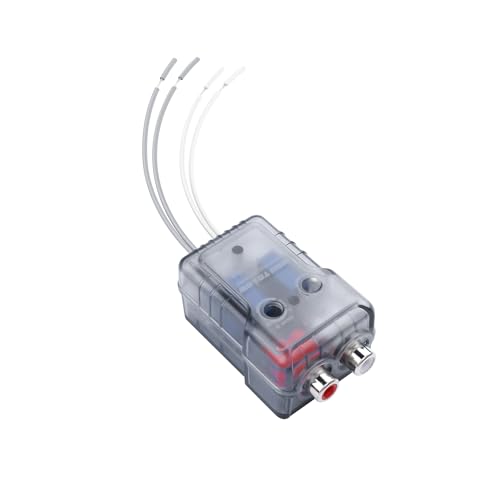
The Car Stereo Hi-Low Converter easily integrates factory stereos with aftermarket amplifiers and is the preferred solution for converting speaker level signals to RCA line level signals for optimal sound.

Impedance Matching for Optimal Performance
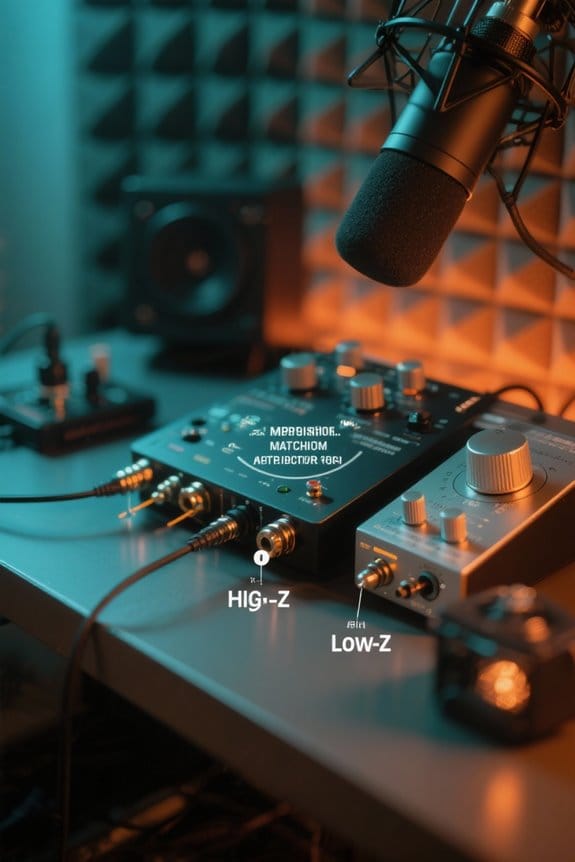
Getting the right impedance match can make a world of difference in audio performance. For instance, impedance matching guarantees the load impedance is at least 10 times greater than the source impedance. This setup optimizes signal transfer, minimizes losses, and enhances audio quality. In practical terms, low impedance outputs from power amplifiers should ideally connect to high impedance inputs like speakers. This keeps the signal strong and crisp. In guitar setups, matching maintains tonal clarity, preventing that dreaded “tone suck” when connecting to amplifiers. Additionally, calculating the speaker load wattage is essential. A well-matched load protects both the amp and speaker while maximizing efficiency. Just remember, a little math goes a long way in preserving your sound! Using oxygen-free copper conductors in your cables further ensures optimal signal integrity and impedance performance.
Recommended Products

Converts the 25v or 70v down to 8 ohms and eliminates power loss caused long distance between amplifier and speaker .

Low- to high-impedance microphone-matching transformer

EXPAND YOUR SONIC HORIZONS: The Audix T50K is a professional-grade tool that allows you to plug a vocal mic or instrument mic directly into a guitar amp, opening up a world of sonic possibilities.
Practical Considerations in Audio Systems

When setting up audio systems, it’s important to take into account how different components interact with each other. High impedance (Hi-Z) inputs are great for connecting instruments like electric guitars, ensuring signal integrity over long cable runs—perfect for those grand stages. Conversely, low impedance setups, generally at 8Ω, shine in short cable runs found in live music scenes. Remember, matching impedances is vital to prevent signal loss; a high impedance source connects to a low impedance input for the best sound. You’ll find Hi-Z inputs in direct injection (DI) boxes and USB audio interfaces, making recording and quality playback a breeze. So, don’t let impedance issues trip you up—proper setup pays off big time! For headphone amplifiers like the FiiO K11, high-impedance headphones up to 350 ohms can be properly driven to achieve optimal sound quality.
Recommended Products

Podcast, Record, Live Stream, This Portable Audio Interface Covers it All - USB sound card for Mac or PC delivers 48kHz audio resolution for pristine recording every time

Pro performance with great pre-amps - Achieve a brighter recording thanks to the high performing mic pre-amps of the Scarlett 3rd Gen. A switchable Air mode will add extra clarity to your acoustic instruments when recording with your Solo 3rd Gen

The new generation of the songwriter's interface: Plug in your mic and guitar and let Scarlett Solo 4th Gen bring big studio sound to wherever you make music
Frequently Asked Questions
What Is the Difference Between High Z and Low Z?
High-Z offers benefits for connecting instruments with longer cable runs, minimizing signal loss and improving audio quality. In contrast, low-Z advantages include compatibility with professional equipment, requiring shorter cable lengths for maximum fidelity and impedance matching.
When to Use Low Impedance Vs High Impedance?
Low impedance is preferred for high sound quality in short cable lengths, while high impedance applications excel in minimizing signal degradation over longer distances. Proper impedance matching enhances equipment sensitivity and guarantees ideal performance across various audio systems.
Is Hi-Z the Same as High Impedance?
Hi-Z is synonymous with high impedance, offering advantages such as improved audio quality, signal integrity, and impedance matching. It is essential in various applications involving passive components, particularly in devices like DI boxes and audio interfaces.
When to Use High Z?
In a grand orchestra, when the trumpet’s call requests clarity, high-Z shines. It optimizes signal strength and audio quality, harmonizing with instrument compatibility, lengthy cables, and intricate circuit designs for live performances and studio recordings alike.


