As an Amazon Associate, we earn from qualifying purchases. Some links on this site are affiliate links at no extra cost to you. Our recommendations are based on thorough research and editorial judgment.


The History of Lavalier Microphones in Broadcasting

Lavalier microphones have a fascinating history in broadcasting. Originating in the 1950s, these small clip-on mics let hosts move freely without bulky equipment. Early wired versions cost about $50. By the 1980s, wireless models emerged, improving audio quality while minimizing interference. Today’s lavaliers have advanced noise-canceling tech, ensuring crisp sound even in noisy environments. They’re now essential for TV and theater settings. Curious about how these mics keep evolving? There’s even more to explore!
Key Takeaways
- Lavalier microphones became popular in the 1950s and 1960s, offering discreet audio capture in broadcasting and performances.
- The compact design of lavalier microphones allowed for natural engagement during television interviews and improved stage audio clarity.
- Wireless technology emerged in the 1980s, enhancing mobility and reducing interference, thus transforming broadcasting practices.
- By the 1990s, modern digital transmission technologies vastly improved audio clarity and usability of lavalier microphones in corporate presentations.
- Innovations continue to evolve lavalier microphones, with AI-driven noise cancellation and Bluetooth technology enhancing their role in high-quality sound capture.
Overview of Lavalier Microphones
Lavalier microphones, often just called lav mics, are nifty little tools in the world of broadcasting. Designed for hands-free use, they clip discreetly to clothing, allowing speakers to move naturally. Modern lavalier microphones leverage advanced audio technology and wireless technology, eliminating those pesky wires that can trip you up on stage. They’ve become the go-to choice in television production, thanks to their exceptional sound quality. Whether during interviews or stage performances, they capture crystal-clear audio while cutting down on background noise. Typically, professional audio users favor these mics for their reliability and convenience. With prices ranging from $50 to several hundred dollars, they cater to both budget-conscious creators and high-end productions alike—perfect for anyone looking to sound great without feeling tied down! Like many modern USB microphones, they often feature voice isolation technology to ensure optimal audio clarity in various recording environments.
Origins and Historical Context of Lavalier Microphones

Microphones that clip to your clothing may seem like a modern marvel, but their history dates back quite a bit. The term “lavalier” comes from a necklace style that inspired these clever, discreet microphones. They gained traction in the 1950s and 1960s, particularly in broadcasting, as talk shows sought unobtrusive audio capture. Imagine a news reporter with no bulky gear! By the 1980s, the shift to wireless communication transformed lavalier mics, making them even more practical for television productions and live performances. Their compact design became essential in Broadway shows, amplifying voices without visual distractions. By the 1990s, these little wonders became standard in corporate presentations, proving that small can indeed be mighty in audio technology! These microphones are now frequently paired with high-density foam windscreens to minimize indoor background noise and ensure crystal-clear audio capture.
Early Applications of Lavalier Microphones in Broadcasting

How did broadcasters ever manage before the rise of compact audio technology? In the 1950s, lavalier microphones emerged and revolutionized broadcasting. These tiny mics, often clipped discreetly to speakers, captured high-quality sound during television interviews without interrupting the visual flow. This allowed presenters to engage naturally, all while looking polished. Their compact design also made them perfect for stage performances and on-location shooting, enhancing audio clarity where it was needed most. By the late 20th century, wireless lavalier models took the spotlight, offering even more freedom of movement. Imagine no longer being tethered to a bulky mic! With their blending of practicality and performance, lavalier microphones truly changed the game for broadcasting, making every word clearer and more impactful. Modern omnidirectional microphones have built upon this legacy, allowing broadcasters to capture sound from all directions while maintaining crystal-clear audio quality.
The Evolution of Lavalier Microphones

As technology progressed, the growth of lavalier mics became particularly significant, shaping the way sound is captured in various media. First popularized in the 1950s, these tiny devices enabled hands-free operation for presenters and actors, making life easier on set. Enter the 1980s, when wireless lavalier microphones burst onto the scene, taking mobility to a whole new level. Early models like the Electro-Voice 647A, which cost around $175, proved that small can be mighty, delivering high-quality sound. Fast forward to the 1990s, when technology advanced and digital transmission improved audio clarity while reducing interference. Today, lavalier microphones are essential for broadcasting, from interviews to corporate presentations, seamlessly blending into any setting without sacrificing quality. Modern wireless lavalier microphones now boast impressive features like 48kHz sampling rates for professional-grade sound capture and crystal-clear audio transmission.
Transition From Wired to Wireless Technology
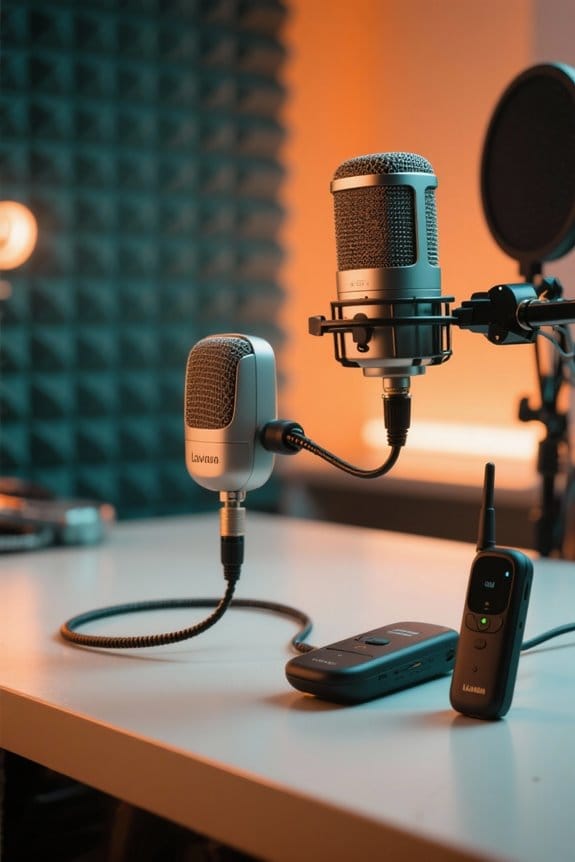
In recent decades, a notable shift has occurred in the world of lavalier microphones, moving from wired connections to the freedom of wireless technology. This change kicked off in the 1980s with radio frequency (RF) transmitters, which provided more mobility during broadcasts. Early wireless models struggled with audio clarity and interference, but the 1990s saw exciting advancements in digital transmission technologies that improved performance considerably. Today, modern wireless lavalier microphones, often utilizing Bluetooth, are user-friendly and accessible for everyone, from pro broadcasters to casual presenters. These wireless options have become essential in environments like theater and corporate events, where discreet, high-quality audio is key. Freedom of movement? Check! Clear sound? Absolutely! Who wouldn’t want that? Many professionals now pair their wireless lavalier setups with isolation shields to minimize unwanted noise reflections and achieve studio-quality recordings.
Impact on Filmmaking and Live Productions
Lavalier microphones have transformed filmmaking and live productions, allowing actors and presenters to shine without the cumbersome weight of handheld mics. These nifty devices enable unobtrusive audio capture, enhancing the viewer’s experience by keeping the focus on performances. First widely used in the 1950s during live broadcasting, they have greatly improved sound quality while preserving visual aesthetics. The advent of wireless lavalier microphones in the 1980s brought newfound freedom, making dynamic performances more engaging. In documentary filmmaking, they capture intimate conversations seamlessly, avoiding distractions. With advanced technologies like digital transmission and AI-driven noise cancellation, lavalier microphones deliver high-quality sound, perfect for both live events and film. Who needs a boom mic when you can be this hands-free, right? Modern lavalier setups often include noise reduction capabilities similar to those found in premium podcast microphones, ensuring crystal-clear audio even in challenging environments.
Recommended Products

Sennheiser Pro Audio portable wireless combo set (ew 500 FILM G4-AW+)

AVX 1.9GHz Digital Wireless System with Lavalier Microphone

Product Type :Sound And Recording Equipment
Mounting Techniques for Lavalier Microphones
When it comes to mounting lavalier microphones effectively, understanding the various techniques can make a world of difference. These small mics are usually mounted with clips, allowing for a discreet attachment to ties or collars. In theater settings, some even conceal them in hair or costumes to reduce clothing noise, keeping visuals sleek. Sure, boom mics have their moments, but lavaliers shine for capturing audio clarity during wide shots. Techniques like moleskin wrapping help conceal microphones while minimizing noise. Proper rigging practices, like securing cables to limit movement, are vital. This cuts down on rumbling and rustling sounds. So, whether you’re filming or live on stage, nailing these techniques guarantees stellar sound without the fuss of unwanted distractions! The Kevlar-reinforced cable design found in modern lavalier microphones provides extra durability during complex mounting situations.
Recommended Products

Rugged all-in-one wireless system with high flexibility for Broadcast quality sound

GLX-D Advanced Digital Wireless Features Intelligent Rechargeability: Proprietary Lithium-ion rechargeable batteries with accurate battery metering for up to 16 hours of use when fully charged.

Designed for the needs of professional filmmakers, television producers, advertisers, and documentarians
Use Cases in Television and Theater
Sound is the heartbeat of both television and theater, where lavalier microphones play an essential role. These tiny mics, often concealed in actors’ hair or costumes, allow performers to move freely while ensuring clear audio capture. Lavalier microphones first became popular in the 1950s, transforming how actors communicated during shows. By the 1980s, wireless microphone technology revolutionized both television broadcasting and live performances, giving actors greater mobility without sacrificing high-quality sound. Whether it’s amplifying powerful solos in musicals or delivering poignant dialogue in dramas, these mics enhance every moment. So next time you enjoy a enchanting show or an on-location interview, remember—the magic often lies in these little microphones doing big things, like staying hidden while making voices shine. Modern wireless lavalier systems with active noise reduction can effectively eliminate up to 40 dB of unwanted background sounds during performances.
Challenges and Solutions in Audio Quality
In the world of broadcasting and performance, audio quality can make or break a production. Lavalier microphones, while convenient, face challenges like wind noise and ambient noise. To secure the mic and minimize unwanted sounds, careful selection based on the environment is key. For outdoor use, windshields or foam covers can greatly enhance uninterrupted audio capture. Indoor settings, on the other hand, may benefit from techniques using medical tape, which help reduce noise from clothing. Noise cancellation technologies, like RØDE’s InvisiLav, absorb vibrations and guarantee clarity. By combining effective placement strategies with these solutions, broadcasters can navigate the audio hurdles of lavalier microphones, leading to a smoother and more professional sound. Similar to LED garage lighting, proper equipment selection and setup can result in up to 85% efficiency improvements in performance.
Recommended Products

Bundle Includes: 1 x Sony URX-P41D Dual-Channel Camera-Mount Wireless Receiver (UC14: 470 to 542 MHz)| 2 x Sony UTX-B40 Wireless Bodypack Transmitter with Omni Lavalier Mic (UC14: 470 to 542 MHz) | 2 x Sony ECM-V1BMP Omnidirectional Lavalier Microphone with Locking Sony 3.5mm Connector (Black) | 2 x Mic Clips | 2 x Windscreens | 3 x Belt Clips | Shoemount Adapter for Receiver | 2 x XLR to Locking 3.5mm Output Cables | 3.5mm to Locking 3.5mm Cable | MDR 7506 Professional Stereo Headphones | Gob

Our UHF-8800-XL package takes the proven UHF technology we're known for and lifts it to new heights

INCLUDED: DJI RS 4 Pro Combo 3-Axis Gimbal Stabilizer | BG30 Battery Grip | Quick-Release Plates | Extended Grip/Tripod | Briefcase Handle | Lens Support | Ronin Image Transmitter | Focus Pro Motor | Phone Holder | Camera Control Cables | Charging & HDMI Cables | Carrying Case | DJI 1-Year Limited Warranty | KIT ACCESSORY: Condenser Shotgun Microphone
Innovations in Modern Lavalier Microphones
While it might seem like just another small gadget, modern lavalier microphones have truly transformed the broadcasting landscape. These tiny devices have evolved from wired models to advanced wireless technology, using radio frequency and Bluetooth connections. This shift offers more freedom of movement and doesn’t skimp on audio quality. Innovations like AI-driven noise cancellation greatly reduce background noise, enhancing clarity and vocal fidelity. Compact designs and improved battery life mean you can use them for longer—perfect for those lengthy events when charging isn’t an option. Plus, built-in high-pass filters minimize low-frequency sounds. Thanks to digital transmission, today’s lavalier microphones provide clear signals without interference, making them indispensable for professional broadcasting and live performances alike. The latest models feature signal-to-noise ratios of at least 65 dB, ensuring crystal-clear audio capture even in challenging environments.
Recommended Products

AVX 1.9GHz Digital Wireless Microphone System with ME 2 Lavalier Microphone

BUILT FOR TWO-PERSON RECORDING ANYWHERE: Whether you're filming interviews, hosting podcasts, or livestreaming with guests, this dual wireless microphone system captures clear audio for collaborative content

Bundle Includes: Hollyland LARK MAX 2 Combo 4-Person Wireless Microphone (Space Gray) + USB C to Male USB C Cable + P-Bank Battery + USB Type-C Adapter Plug + USB Type A to USB Type C cable + Microfiber Cleaning Cloth + Lightning to USB-C Cable + Headphone Cleaning Kit 4 fl oz + 3.5MM PLUGS 6 Male To Male Cable + 3.5mm Stereo TRS Mini-Jack Female to 3-Pin XLR Male Microphone Adapter
The Future of Lavalier Microphones in Broadcasting
As the broadcasting landscape evolves, lavalier microphones are poised to become even more essential in the world of audio capture. With advancements in wireless microphone technology improving audio clarity, content creators are finding these tools indispensable in various broadcasting environments. Imagine filming a live event, and your mic perfectly captures every word, thanks to cutting-edge noise cancellation. Exciting innovations in Bluetooth technology will soon make these devices even more user-friendly, so you won’t have to dread tangled cords anymore! Compact designs are on the horizon, enhancing portability for those spontaneous vlogs. As lavalier microphones continue to evolve, they’ll remain a go-to for anyone needing crystal-clear sound. In short, they’re here to stay—like popcorn at a movie!
Recommended Products

H9 (512–542 MHz) UHF FREQUENCY BAND: Operates on the H9 (512–542 MHz) UHF frequency band for dependable wireless audio performance in regions where this spectrum is authorized. Verify local compliance before ordering.

WIRELESS FREQUENCY BAND SELECTION - Before purchasing, please ensure that the wireless frequency band you select works in your area (refer to Shure website for details > search Shure Wireless Frequency Finder).
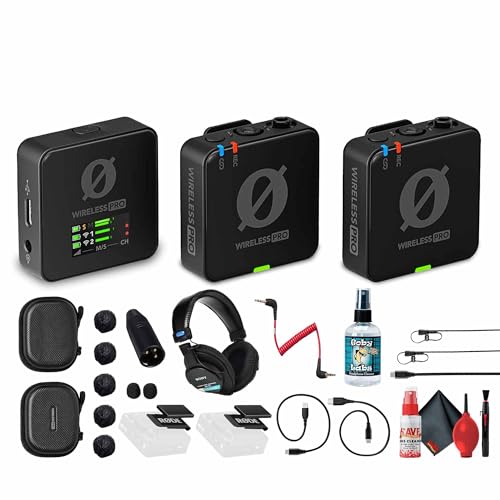
Items Include: RODE Wireless PRO 2-Person Clip-On Wireless Microphone System/Recorder with Lavaliers (2.4 GHz), MDR-7506 Professional Stereo Headphones, 3.5mm TRS Female to XLR Male Adapter, Goby Labs Headphone Cleaner 4 fl oz, Deluxe Cleaning Kit
Frequently Asked Questions
What Is the History of Lavalier Microphone?
The lavalier microphone’s development timeline features early designs evolving with wireless technology, considerably impacting its mobility. It surged in popularity due to its adaptation in film and live performances, establishing professional broadcasting standards across various media.
What Is the 3 to 1 Rule for Microphones?
Like stars in a clear night sky, microphones must be positioned three times further apart than their distance to the sound source, ensuring ideal sound isolation, clarity, and better audio quality amidst background noise in recording techniques.
Why Use a Microphone Other Than a Lavalier for Podcasts?
Podcasts benefit from microphones other than lavaliers for enhanced recording quality, improved voice clarity, and better audience engagement. Dynamic, condenser, and shotgun microphone types provide versatility, reducing sound pressure issues and capturing a richer audio experience.
Why Are Youtubers Holding Tiny Mics?
YouTubers opt for tiny mics due to their advantages in sound quality and portability. Handheld mic preference boosts audio clarity, while effective sound recording techniques enhance influencer equipment choices for engaging and professional content creation.


