As an Amazon Associate, we earn from qualifying purchases. Some links on this site are affiliate links at no extra cost to you. Our recommendations are based on thorough research and editorial judgment.


XLR Vs USB Microphones: Which Connection Type Is Right for You?

When choosing between XLR and USB microphones, it’s all about your needs. XLR mics deliver superior sound quality, ideal for studios and professionals, but they require an audio interface and can be more expensive. USB mics, on the other hand, offer plug-and-play convenience for quick recordings, great for beginners on a budget. They might lack the same audio fidelity, but their ease of use is remarkable. Stick around to learn more about which mic suits your style best!
Key Takeaways
- Choose XLR microphones for professional settings requiring superior audio quality and the flexibility to connect multiple sound sources.
- Opt for USB microphones if you need a simple, plug-and-play solution for casual recording or streaming.
- XLR setups allow for future upgrades and expansions, while USB microphones may have limitations in versatility.
- If you prioritize detailed sound reproduction and robust build quality, XLR is the better choice.
- For portability and ease of use, especially for beginners, USB microphones offer a more convenient option.
Understanding XLR Microphones
When diving into the world of audio, understanding XLR microphones is essential. These mics use a 3-pin analog connector, making them the gold standard for professional audio. To record, they need an external audio interface to convert the analog signal into a digital one for computers or smartphones. XLR microphones come in types like dynamic and condenser, each tailored for unique recording setups. They offer impressive sound quality, capturing every detail of vocals and instruments. With XLR cables, you can connect multiple mics or audio sources, expanding your setup as needed. And hey, if you ever wondered why sound engineers seem so cool, it’s because they know the value of the right pickup pattern! High-quality sound is just a mic away. Unlike many modern camera-mounted microphones, XLR mics typically require more setup but deliver superior audio quality for professional productions.
Benefits of XLR Microphones

While many people may overlook the choice of microphones, the benefits of XLR microphones are hard to ignore. One major advantage is their superior audio quality, particularly for studio recording and recording vocals. XLR mics excel in professional settings, delivering detailed sound reproduction that USB microphones often can’t match. They boast robust build quality, perfect for high-pressure environments like live concerts. Their versatility shines through—whether it’s mixing and matching various condenser mics or connecting to professional audio equipment, XLR setups adapt to your evolving needs. Plus, with the ability to convert the signal into a digital format, they’re ideal for serious podcasters and musicians. When it comes to audio excellence, XLR microphones really hit the sweet spot! For optimal performance, most XLR microphones require 60dB of gain to achieve their full potential, which explains their exceptional audio clarity.
Recommended Products

USB/XLR Connectivity: The A04 Gen2 is a super versatile condenser microphone for capturing rich. Thanks to its dual XLR & USB connections, it's just at home in the studio as it is plugged straight into audio interface or mixer. And connected to PC or phone for plug-and-play recording. If you want to connect Windows, iOS, PAD, phone by XLR mode, please make sure you have phantom power ready (Note: Not compatible with XBOX)

48V phantom power required: When using PM320S, you need to connect the microphone to a 48V phantom power/audio interface/mixer/preamplifier first, the microphone can work normally and get an excellent audio experience
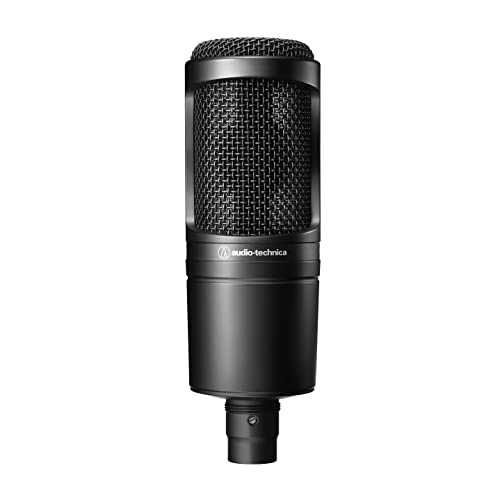
The price/performance standard in side address studio condenser microphone technology
Exploring USB Microphones

USB microphones have become a go-to option for many recording enthusiasts, thanks to their user-friendly design and straightforward operation. These microphones offer a simple plug-and-play approach, allowing users to connect directly to their computers without the hassle of an audio interface. Most USB microphones are condenser types, capturing detailed and warm sound, perfect for vocal recording. They feature internal analog-to-digital conversion, which makes recording a breeze—no extra gear needed! While often priced lower than XLR microphones, USB models are great for those just starting or needing quick solutions. Keep in mind, though, that they may not scale up as much as XLR setups in advanced settings. So, USB mics provide simplicity, but don’t expect them to grow up too fast! Modern USB microphones typically feature a cardioid pickup pattern that effectively reduces unwanted background noise during recording sessions.
Advantages of USB Microphones

The world of recording has become more accessible than ever, and USB microphones are leading the charge. They’re incredibly user-friendly thanks to their plug-and-play functionality, allowing beginners to plunge into recording without needing complex additional gear. Most USB mics come with built-in analog-to-digital converters, simplifying connections to computers. With their compact design, they’re also highly portable—perfect for recording on the go or in casual environments like coffee shops. Plus, many include extra features such as headphone outputs and level controls, enhancing overall usability. Best of all, they deliver high-quality audio, making them great for recording podcasts, streaming, or casual music sessions. Who knew great sound could fit in your backpack? Modern USB microphones offer impressive signal-to-noise ratios of 96 dB or higher, ensuring crystal-clear recordings with minimal background interference.
Key Differences Between XLR and USB Microphones

When it comes to choosing the right microphone for recording, understanding the key differences between XLR and USB microphones is essential. XLR microphones require an external audio interface to convert analog signals into digital signals, allowing for superior audio quality in professional recording environments. On the other hand, USB microphones offer plug-and-play convenience, perfect for beginners who want simplicity. While XLR setups can handle multiple sound sources and provide various microphone types, USB microphones are typically limited to single-channel recording. They cater more to casual recording needs and offer compact designs. Plus, if you ever want to upgrade gear down the line, an XLR setup lets you expand, unlike the all-in-one design of USB microphones—goodbye future upgrades, hello limitations! XLR microphones paired with quality interfaces deliver zero-latency monitoring capabilities, ensuring real-time feedback during recording sessions without annoying audio delays.
Recommended Products

[Natural Audio Clarity] Operated with frequency response of 50Hz-16KHz, the podcasting XLR mic delivers balanced audio range, likely to resonate with your audience. Directional cardioid dynamic microphone corded will not exaggerate your voice, while rejects unwanted off-axis noise for vocal originality and intelligibility during your PS5 gaming streaming video recording. (Tips: Keep the top of end-addressing XLR dynamic microphone AM8 facing audio source, and suggested recording range is 2 to 6 in.)

[Clean Sound Quality] Featured with durability and adaptability, the metal-build podcast microphone, with SPL of 130dB, will not distort the audio from vocal, video or music recording to keep its originality. Quite directional cardioid pattern deals with background noise, like hard drives or computer fans. The microphone for PC delivers detail voice without much additional noise processing. (Arm stand, mic stand and XLR cable are NOT included.)

Three Audio Enhancement Modes: Supports three distinct audio enhancement modes:Bass Roll-off mode, Vocal Clarity Mode and Mid-Range Emphasis. Easily select the appropriate EQ mode for different recording environments, making your recordings more effortless
When to Choose an XLR Microphone
For anyone serious about recording, XLR microphones are often the go-to choice. They deliver professional quality sound that USB mics just can’t match. XLR mics require an audio interface to convert that precious analog signal into digital data. This setup allows for unparalleled customization in signal processing. If you’re recording multiple sources, like a full band or podcast guests, XLR microphones shine in these scenarios. Plus, they provide the flexibility to adapt to various microphone styles as your home studio evolves. Investing in XLR equipment also promotes long-term scalability—perfect for those diving into serious podcasting or streaming. Ultimately, XLR microphones are your best friend if quality and adaptability are what you seek in audio production. For optimal performance, pair your XLR microphone with studio monitors with DSP that offer built-in digital signal processing for precise sound calibration.
Recommended Products

Pro performance with great pre-amps - Achieve a brighter recording thanks to the high performing mic pre-amps of the Scarlett 3rd Gen. A switchable Air mode will add extra clarity to your acoustic instruments when recording with your Solo 3rd Gen

[XLR Mic Input] One XLR microphone input interface is set on the gaming audio mixer, which is great to up your audio quality with your XLR setup. The XLR mixer is a stepping stone to upgrade your live streaming. Audio mixer offered built-in 48V phantom power which opens up more choices for mics. Directly use it with your condenser microphone but do not solve added peripherals. (NOT available for USB mic)

80dB Gain for Any XLR Mic: Drive any XLR microphone with a massive 80dB gain; enjoy loud, clear amplification for any headphones with powerful amp output
When to Opt for a USB Microphone
Why choose a USB microphone over its XLR counterpart? USB microphones offer an easy, plug-and-play experience, connecting directly to computers without the fuss of extra gear. This makes them especially cost-effective for beginners diving into podcasting, streaming, or video calls. Plus, they come equipped with built-in analog-to-digital converters, simplifying the recording process by digitizing audio on the spot. Many models provide features like direct monitoring and headphone outputs, ensuring users can hear themselves clearly while recording. Their compact design is ideal for content creators on the go, fitting neatly into backpacks and making impromptu sessions a breeze. So, if you’re looking to capture quality sound without a headache, a USB mic might just be your best friend! Many USB microphones now feature one-click noise cancellation technology to effectively eliminate unwanted background sounds during recording sessions.
Recommended Products

[Authentic Sound Integrity] Experience natural sound reproduction with the podcast microphone with boom arm to preserve the audio sound without distortion. The XLR dynamic microphone boasts a SPL of 130dB, delivering original and consistent recordings. Cardioid pattern reduces ambient noise, ensuring your voice takes center stage, free from distracting background sounds. (For better input volume, record within 2'' to 6'' from the dynamic microphone. )

Cardioid Pick-up: Ccardioid pickup pattern that captures clear and crisp voice in front of the mic and suppresses unwanted background noise. Design for chatting, teleconferencing, recording, podcast

Custom three-capsule array: This professional USB mic produces clear, powerful, broadcast-quality sound for YouTube videos, Twitch game streaming, podcasting, Zoom meetings, music recording and more
Frequently Asked Questions
Should I Use XLR or USB?
Choosing between XLR and USB hinges on sound quality, recording environment, and price differences. XLR advantages include durability and professional fidelity, while USB offers convenience and portability, making setup complexity and compatibility issues significant considerations.
What Is the Downside of a USB Mic?
The downside of a USB mic includes limited sound quality, restricted compatibility range, and reduced application versatility. Additionally, affordability considerations, power requirements, latency issues, and lower durability aspects hinder its effectiveness in complex usage scenarios and upgrade potential.
Does XLR Make a Mic Sound Better?
An XLR microphone often transforms mic quality, enhancing sound clarity and audio fidelity. Its superior dynamic range and effective signal processing minimize noise interference, making it ideal for professional studio setups demanding precise recording environments and robust preamps.
Are USB Mics Good for Recording Vocals?
USB microphones offer significant advantages for vocal recording, particularly in home studio setups. They provide good sound quality, essential features, and compatibility with various applications. Popular brands enhance vocal performance techniques, making them suitable for beginners and casual users.


