As an Amazon Associate, we earn from qualifying purchases. Some links on this site are affiliate links at no extra cost to you. Our recommendations are based on thorough research and editorial judgment.


The Basics of Balanced Vs Unbalanced Audio Cables

Balanced audio cables have two conductors and a ground, reducing noise, making them great for long distances over 25 feet. They typically operate at +4 dB, cancelling out interference. Unbalanced cables, on the other hand, use one conductor and may suffer from noise, operating at -10 dB and best for short runs under 10 feet. While balanced cables might sound fancy, they’re perfect for professional setups. Stick around to discover more about cable types and their uses!
Key Takeaways
- Balanced cables use two conductors and a ground, minimizing noise over long distances, while unbalanced cables have one conductor, making them prone to interference.
- Balanced connections are ideal for distances over 25 feet and professional settings, whereas unbalanced cables work best under 10 feet and for consumer applications.
- Noise contamination is a significant concern with unbalanced cables, as they act like antennas picking up electrical interference.
- High-quality balanced cables offer improved signal integrity and noise reduction, leading to clearer audio performance compared to unbalanced configurations.
- Devices with balanced connections (like XLR) can connect to unbalanced systems (like RCA) using adapters, but this may degrade sound quality.
Major Difference Between Balanced and Unbalanced Audio
When it comes to audio cables, a key distinction lies in whether they’re balanced or unbalanced. Balanced cables feature two conductors and a ground, reducing noise through a clever trick called reversed polarity. This design minimizes interference, making balanced setups perfect for professional environments. On the flip side, unbalanced cables use just one conductor and a ground, making them more prone to unwanted noise, especially over longer distances. Typically, balanced connections thrive at distances over 25 feet while unbalanced ones work best under 10 feet. Balanced cables usually provide a stronger audio signal, operating at +4 dB compared to unbalanced cables’ -10 dB. So, if you want pristine audio quality, balanced cables are your best bet! For optimal audio fidelity in balanced setups, using oxygen-free copper cables with gold-plated connectors helps maintain signal integrity and prevent corrosion.
What Is Unbalanced Audio?

Unbalanced audio serves as a simpler approach to transmitting sound. It typically uses two conductors: one for unbalanced signals and another for a ground wire. While this setup is easy to use, it comes with a caveat—noise interference can easily creep in, especially in environments filled with electromagnetic chaos. Think of the ground wire as an antenna, picking up all sorts of unwanted sounds. That’s why unbalanced audio cables work best over short distances, ideally under 10 feet, to keep the audio crisp. Common examples include RCA and TS (Tip-Sleeve) connectors, often seen jamming out with electric guitars. Just remember, while unbalanced systems can link with balanced gear, it may require a few adapters. For optimal audio performance, consider using open-frame designs in your rack setup to reduce interference and promote better airflow around your cables.
Where Does the Noise Come From?

Noise sneaks into audio signals from various sources, creating unwanted disturbances that can ruin the listening experience. Unbalanced cables are especially vulnerable, thanks to their single conductor setup, which can act like an antenna. This means they easily pick up interference from power cables, nearby electronic devices, or older lighting systems. When using unbalanced connections over long distances, the risk of noise increases, often leading to poor sound quality. On the flip side, balanced connections employ two conductors that carry opposite signals, effectively cancelling out any noise that creeps in. So, when you’re in a noisy environment or require a longer cable run, balanced connections are your best friends for cleaner audio! It’s like choosing a shielded umbrella on a rainy day. Using cables with double shielding features provides an additional layer of protection against unwanted interference while enhancing overall durability.
How Do You Reduce Noise When Using Unbalanced Cables?

How can one effectively reduce unwanted hum and crackle when using unbalanced cables? First, avoid running unbalanced cables parallel to power cables, as those pesky electromagnetic fields can cause interference. Instead, cross them perpendicular to power sources if you must—think of it as a dance move for cables! Keeping cable runs under 10 feet is ideal, limiting noise pick-up. It’s also smart to use high-quality shielding and connectors to beef up performance—treat your signal wire right! Finally, consider implementing ground lift switches on equipment to tackle any ground loops that cause annoying buzzing. Following these tips can help you reduce noise effectively, making your audio experience much more enjoyable. Remember, cables are sensitive—give them the respect they deserve! For optimal audio clarity, consider upgrading to cables with oxygen-free copper conductors which provide superior signal transmission.
Recommended Products

Delivers a wide array of content playback options, including Bluetooth, that make the CD-400U ideal for a variety of installations
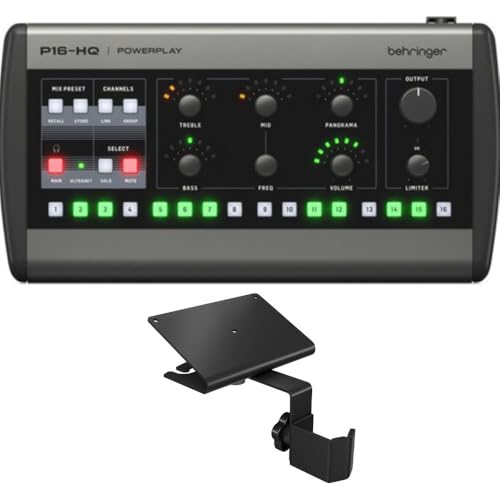
SUPERIOR SOUND QUALITY - Experience pristine audio with 24-bit, 44.1/48 kHz sample rate A/D conversion, ensuring every nuance of your performance is captured with exceptional clarity and detail.

Shielded cable for professional audio signals
Unbalanced Cable Types

In the world of audio connections, several popular types of unbalanced cables are often used. Unbalanced cables, like RCA cables and Tip-Sleeve (TS) cables, excel in simple setups. RCA cables typically connect audio sources to speakers or devices, while TS cables are often the go-to for instruments like electric guitars. Both types carry an unbalanced signal, making them good for short distances, usually not exceeding 10 feet. This limitation keeps the risk of interference minimal, perfect for home studios where electronic noise is low. Plus, unbalanced cables tend to be cheaper than their balanced counterparts, a win for budget-conscious audio enthusiasts. Just be mindful that longer runs can bring noise woes. Similar to quality ear cushions, using noise isolation technology in audio cables can significantly enhance sound clarity and minimize unwanted interference.
Recommended Products

4-channel DJ controller with Groove Circuit for real-time remixing and drum replacement
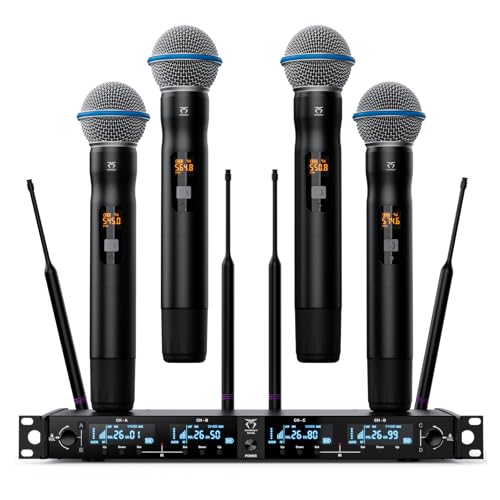
4-channel wireless microphone system. Comes with 4 handheld microphones.
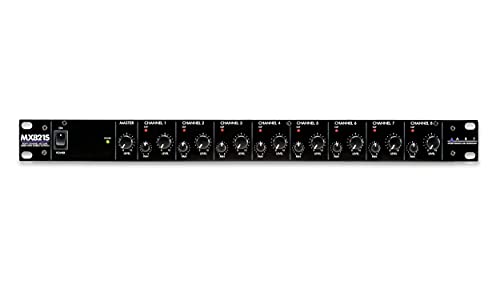
Eight input channels with individual level and pan controls
What Is Balanced Audio?
Balanced audio is a fascinating topic in the world of sound engineering and music production. It utilizes three conductors—two for audio signals (hot and cold) and one for grounding. This setup helps reduce noise, making for clearer sound. The magic lies in differential signaling, which cancels out interference by averaging the signals at the receiving end. That means you get crisp audio without the annoying hum of electromagnetic or radio frequency interference, often found with unbalanced cables. Common connectors like XLR and ¼-inch TRS enhance these audio connections, ensuring professionals can rely on robust signals—typically around +4 dBu, much stronger than the -10 dBu from unbalanced systems. Thanks, balanced audio, for keeping things clean and clear! Professional microphones like the FIFINE K688 take advantage of this superior sound quality through their dual USB-XLR connectivity, offering versatility for various recording setups.
Balanced Cable Types
When it comes to audio quality, the right cables can make a world of difference. Balanced cables, such as XLR and TRS cables, play a vital role in minimizing noise and interference. XLR cables are the gold standard for pros, perfect for long distances, thanks to their robust connections that excel at noise cancellation. They keep your sound clear and crisp, even over 25 feet. On the other hand, TRS cables can work for both balanced and unbalanced setups, depending on your equipment. When used correctly, they also deliver that sweet, clean audio. So, if you want to avoid unwanted hum and guarantee high audio quality in your recordings, choosing the right balanced cable is key! Many professionals opt for XLR adapters with oxygen-free copper conductors to maximize sound clarity and minimize electromagnetic interference.
Recommended Products

Open-backed stereo headphones with detachable cable system; optional balanced cable available

This Mackie ProFX22v3 22-Channel Unpowered Mixer comes with all the manufacturer accessories and a 1-year USA warranty along with a 21-piece bundle which includes 4x Mophead 10' TRS balanced male to male 1/4" cable, 4x 10' XLR male to XLR female cable, 2x TRS 1/4" stereo to 3.5mm TRS adapter, 10x cable management ties and Circuit City microfiber cloth.

Made in the USA of U.S. wire and imported (Neutrik) XLR Male to XLR Female silver-plated connectors.
Balanced vs. Unbalanced Cables: Which One Should You Use?
Ever wonder which type of audio cable is right for your setup? When considering balanced vs unbalanced audio, think about your needs. Balanced cables excel in long connections; they feature two signal wires and a ground wire, reducing noise considerably. This gives you a stronger signal—around 6-10 dB louder—especially useful for long cable runs. On the other hand, unbalanced cables use one conductor wire and can struggle in noisy environments, particularly over 10 feet. They’re commonly found in consumer gear. If your gear only works with unbalanced outputs, using balanced cables might require extra equipment, like DI boxes, to guarantee compatibility. So, choose wisely! The right cable makes all the difference in your audio experience. For optimal recording quality, consider interfaces with zero-latency monitoring capabilities to prevent audio delays and echo during your sessions.
Recommended Products

Mix and record through AAX DSP plugins with rock-solid sub-1 ms latency monitoring

Our new more advanced model replaces the LCD-4

For Recording Studios and Touring
A Common Misconception
Many folks mistakenly believe that balanced audio cables automatically offer superior sound quality compared to unbalanced ones. This common misconception overlooks important factors like the specific setup and environment. Sure, balanced cables excel in noise cancellation, thanks to their design, but unbalanced audio cables can work just fine over short distances where interference is low. Also, balanced audio doesn’t mean you’ll get better stereo sound; it focuses more on signal integrity. Plus, if you connect an XLR cable to an unbalanced RCA input, the signal can turn messy, risking noise and degradation. Ultimately, the effectiveness of audio cables hinges on your specific equipment and context, not merely whether the cable is balanced or unbalanced. Modern lavalier microphones demonstrate this principle well, achieving a signal-to-noise ratio of at least 65 dB regardless of cable type when properly configured.
When Should I Use a Balanced Cable?
So, where exactly should someone choose a balanced cable? For starters, if you’re transmitting audio signals over longer connections—let’s say, more than 25 feet—balanced cables are your best friend. They help minimize noise and interference. In environments like professional studios or during live performances, these cables shine by providing stronger audio signals. If you’re connecting microphones or any pro audio gear, opt for balanced cables to achieve cleaner sound quality. And for those guitarists needing long runs, consider using DI boxes to convert unbalanced signals into balanced ones. This nifty trick can help maintain that fantastic sound you want. So, when in doubt, go balanced for clearer signals and less annoying noise! Using cables with oxygen-free copper conductors helps ensure optimal signal transmission and reduced interference in professional audio setups.
Recommended Products

18" vented subwoofer

ALL-WHITE 4-HOST RIG — REFERENCE HEADPHONES AT EVERY CHAIR: A multi-host podcast needs more than four broadcast mics on white arms — every host needs studio-grade monitoring, not entry cueing cans. This bundle pairs the RodeCaster Pro II White console with 4 PodMic mics, 4 PSA1+ White arms, 4 NTH-100 White headphones, 4 color NTH cables, 4 color XLR cables, and 4 WS14 pop filters in Orange, Green, Pink, and Blue. Podcast producers and panel hosts — assign a color per host, start recording today.

THE POWERHOUSE FOR YOUR HOME THEATER, this 7-CHANNEL AMPLIFIER delivers immense power and detail at 150 watts per channel into 8 ohms. Audiophiles get enough instant, pristine sound you expect from Marantz
Final Thoughts + Further Reading
While choosing the right audio cable may seem straightforward, it can actually make a significant difference in sound quality. Balanced audio connections utilize three conductors to excel at eliminating noise, making them ideal for long cable runs. In contrast, unbalanced cables are great for short distances but easily pick up interference, especially over ten feet. When it comes to professional settings, a balanced circuit is your best friend, thanks to its common-mode rejection feature that keeps hum and buzz at bay. To dive deeper into the world of audio connections, check out the article “Balanced and Unbalanced Audio.” It’s packed with tips and insights, helping you make informed choices and sound like a pro without breaking the bank!
Frequently Asked Questions
When to Use Balanced Vs Unbalanced Cables?
When the audio interference stakes are high, using balanced cables guarantees superior signal quality, especially over longer distances. Unbalanced cables, on the other hand, suit shorter runs where equipment compatibility is less of a concern.
What Is the Best Practice for Deciding Between Unbalanced and Balanced Audio Cables?
To decide between balanced and unbalanced cables, consider cable length to minimize noise interference, connection types for ideal audio quality, and cost considerations, ensuring the chosen cable aligns with the specific requirements of the setup.
Is XLR Cable Balanced or Unbalanced?
XLR cables are balanced cable types, providing numerous advantages through their design. These connectors effectively reduce signal interference, enhancing audio clarity. Their balanced nature makes them ideal for longer cable runs in professional audio applications.
Can I Use a Balanced Cable in an Unbalanced Jack?
Yes, a balanced cable can be used in an unbalanced jack, though it may result in unbalanced jack performance issues. Ensuring balanced cable compatibility is essential to minimize audio signal degradation in microphone connection types and studio equipment choices.


