As an Amazon Associate, we earn from qualifying purchases. Some links on this site are affiliate links at no extra cost to you. Our recommendations are based on thorough research and editorial judgment.


Professional Vs Consumer Audio Gear: What’s the Real Difference?

When comparing professional and consumer audio gear, it’s easy to see the difference. Pro equipment, like studio mics with low Total Harmonic Distortion, aims for high-quality sound in demanding environments, while consumer gear prioritizes convenience and everyday use. Pro gear typically operates at +4 dBu, while consumer devices run at -10 dBV, creating compatibility challenges. Plus, professional gear is built tough with metal casings, unlike their more fragile plastic counterparts. Stick around for more on how to choose the right equipment!
Key Takeaways
- Professional audio gear operates at +4 dBu line level, while consumer audio is at -10 dBV, creating significant voltage disparities.
- Pro audio equipment is built with durable materials for enduring performance, unlike consumer gear which often uses lighter, less resilient components.
- Input and output connections differ, with XLR connectors for professional gear and RCA connectors for consumer audio, affecting noise reduction and compatibility.
- Professional audio prioritizes sound accuracy and lower Total Harmonic Distortion (THD), while consumer audio focuses on usability and aesthetics.
- Higher costs for professional gear reflect advanced technology and enhanced reliability, making it a long-term investment for serious users.
Definition and Purpose of Professional and Consumer Audio Equipment
When it comes to audio gear, understanding the difference between professional and consumer equipment is key. Consumer audio equipment is designed for home use, focusing on convenience and a pleasant listening experience for everyday users. In contrast, professional audio equipment aims for high-quality sound reproduction, suitable for critical listeners like musicians and sound engineers. Pro gear typically boasts better specifications, featuring lower Total Harmonic Distortion (THD) and wider frequency response. Sure, it costs more due to advanced technology and durability, but it’s worth it for serious audiophiles. On the other hand, consumer gear is affordable and often made with plastic, sacrificing durability. So, if you’re serious about sound, consider going pro—your ears will thank you (even if your wallet grumbles). Professional microphones like the COMICA VM40 offer 32-bit float recording capabilities that ensure exceptional audio clarity for content creators.
Line Level Standards: Understanding -10 Dbv and +4 Dbu

Understanding audio line levels can feel like unraveling a puzzle, but it’s essential for anyone working with sound. Consumer audio equipment typically operates at a line level of -10 dBV, about 0.316 volts. In contrast, professional audio equipment uses a standard of +4 dBu, translating to around 1.228 volts. That’s a significant difference of about 12 dB! Higher voltage in professional signals means they’re often too strong for consumer gear. When connecting these devices, you might need some attenuation to prevent overload—think of it like protecting a tiny cat from a big dog. Joking aside, these distinctions in signal levels are vital for effective audio equipment management, ensuring smooth integration without unwanted surprises. For optimal audio quality in professional setups, RODE Wireless PRO systems offer 32-bit float recording capabilities that help manage these varying signal levels more effectively.
Signal Levels and Compatibility in Audio Systems

In the world of audio gear, signal levels play a pivotal role in determining compatibility between devices. Consumer audio typically operates at -10 dBV, around 0.316 volts, while professional audio stands at +4 dBu, about 1.228 volts—a notable 12 dB difference. This disparity means that if a professional audio signal finds its way into a consumer device, we might encounter overload or distortion without careful level adjustments. Impedance matching also matters; consumer systems expect lower voltage signals, while pro systems are built for higher outputs. Connecting both requires special gear, like signal pads or inline drivers, to balance levels and prevent clipping. Just remember, mixing the two without precautions can be a real recipe for chaos! Modern audio interfaces like the U-PHORIA UM2 offer built-in solutions with their 100 dB dynamic range to handle these signal level differences effectively.
Construction and Durability: How Pro Gear Outlasts Consumer Products

Audio gear isn’t just about sound quality; construction and durability play a huge role too. Pro audio equipment is designed to endure the rigors of live performance, with thicker sheet metal chassis that offer greater resilience than the lighter plastic found in consumer gear. This difference in construction guarantees that pro gear can handle the bumps and bruises of touring or event setups. Heavier components contribute to its sturdiness, making it less likely to fail when the pressure is on. Consumer gear, while often cheaper, may not withstand the same level of stress, leading to premature wear. In the world of audio, durability is key, and investing in pro gear can save performers from unexpected mishaps. Even simple accessories like eco-friendly walnut wood stands demonstrate how material choice impacts longevity and performance in audio equipment.
Recommended Products

OREI 8 Inputs & 8 Outputs + 8 Loop out Over CAT5e/6/7 LAN Cable upto 330 Feet. Plus 8 Additional Loop Out At Local Source. Perfect Professional Distribution Product, ideal for 4K Blu Ray Players, Game Consoles, Media Players, Satellite Receivers, Computers, Laptops and Other Sources. The device comes with a dual voltage supply using a US plug, and an adapter/converter is provided for international use.

3/8" Plywood w/Black Laminate

The 1U 8 Port Cat5 Rack Mount KVM Console is an all-in-one solution featuring a 19" LCD monitor, keyboard, touchpad, and 8-port Cat5 KVM switch, all within a slim 1U rack space. Using Cat5e/6 cables and the included 8 pcs VGA/USB dongles, it allows access, management, and control of up to 8 servers/PCs up to 230 ft from the KVM Console.
Input and Output Connections: Pro Vs Consumer Specifications

While it might seem like all audio connections do the same job, there’s a big difference between pro and consumer gear. Pro audio often uses XLR connectors, which handle balanced signals, minimizing noise and interference. In contrast, consumer audio mostly sticks to RCA connectors for unbalanced signals—think of it as the “less fancy” option. When it comes to input and output, pro setups require high-impedance inputs for instruments, like electric guitars, while consumer devices don’t offer specialized options. Furthermore, pro gear boasts robust connectors like Neutrik Speakon, perfect for heavy use, unlike their lighter, more fragile consumer counterparts. In professional environments, complicated multi-channel inputs and outputs are standard, while consumer audio prefers simplified, plug-and-play connections. Modern studio monitors like the Edifier MR4 offer both professional and consumer connectivity options, bridging the gap between these two audio worlds.
Recommended Products

Powerful Hybrid Amplifier – Features a dual Class A/AB architecture, combining warm, natural analog sound with dynamic digital efficiency for a truly audiophile experience.

Circuit topology Four dual triode vacuum tubes (Sovtek 6922), high-voltage discrete Class A

Premium Hybrid Amplification – Combines the warmth of Class A analog amplification with the power efficiency of Class D digital amplification, delivering both musicality and precision.
Power and Electronics: Key Differences in Output Levels
Sound quality is a significant concern for anyone passionate about music, whether they’re a casual listener or a seasoned professional. When it comes to power and output levels, pro audio gear clearly stands out. Professional amplifiers typically deliver higher power outputs, often rated at lower Total Harmonic Distortion (THD), which guarantees cleaner sound. Standard operating levels differ too; pro audio runs at +4 dBu (1.228 volts), while consumer gear operates at -10 dBV (0.316 volts). Plus, pro equipment can tackle a wide range of signal levels and lower impedance loads—down to 2 ohms— situations that might leave consumer gear shaking in its boots. And let’s not forget phantom power, a handy feature in pro gear that consumer models often lack. Professional setups often include power conditioning units that filter out electrical noise and protect against power surges, ensuring optimal audio performance.
Sound Reproduction: Priorities in Professional Vs Consumer Audio
In the world of music, the quest for perfect sound reproduction sets professional and consumer audio gear on distinct paths. Professional audio prioritizes accuracy and adheres to strict performance standards. It offers wider frequency responses and lower distortion levels, ensuring clear sound quality. For instance, a typical pro audio system achieves Total Harmonic Distortion (THD) percentages under 0.1%, while consumer audio may reach higher levels, sacrificing clarity for comfort. Built to endure, professional gear handles extreme conditions, unlike consumer equipment, which generally lacks durability. Pro systems manage a range of signal levels, supporting everything from delicate microphone input to booming outputs. Meanwhile, consumer audio focuses on casual listening, often relying on EQ adjustments for a more pleasant experience. Similar to power strips that require surge protection ratings above 900 Joules for device safety, professional audio equipment incorporates robust protection features to safeguard against power fluctuations and electrical damage.
Recommended Products
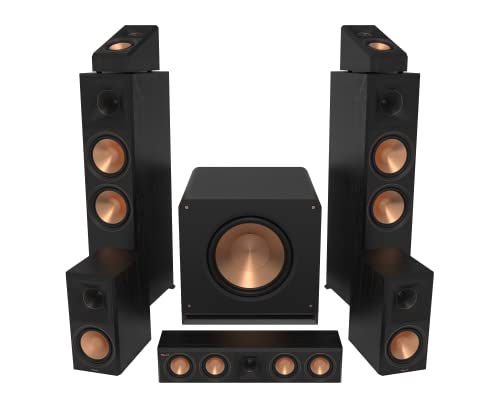
System includes: (2) RP-8000F II floorstanding speakers, (1) RP-404C II center channel speaker, (1) pair RP-500SA II Dolby Atmos surround sound speakers, (1) pair RP-600M II bookshelf speakers, (1) RP-1600SW 16-inch subwoofer

All-New 1 3/4" Titanium Compression Drivers

Two All-New 1 3/4" Titanium Compression Drivers
Connectors and Connectivity Options for Professionals and Consumers
A wide variety of connectors and connectivity options exists between the domains of professional and consumer audio, each designed with specific purposes in mind. In professional audio, XLR connectors are essential for balanced signals, minimizing noise and interference. Meanwhile, RCA connectors rule the consumer sector, favored for simplicity and ease of use. Pro setups often leverage Neutrik Speakon connectors for secure speaker outputs, while consumers stick to lighter alternatives that might not survive heavy use. Additionally, professional systems offer extensive connectivity options, allowing integration of multiple inputs and outputs. Advanced functionalities, like MIDI integration, further enhance pro gear, bringing flexibility. Meanwhile, consumer devices prioritize user-friendliness, focusing more on playback than robust signal management. Professional XLR cables with gold-plated connectors provide superior conductivity and corrosion resistance compared to standard consumer cables.
Recommended Products

Mix and record through AAX DSP plugins with rock-solid sub-1 ms latency monitoring

Our new more advanced model replaces the LCD-4

For Recording Studios and Touring
Use Cases and Applications: Where Each Gear Excels
Whether one is hosting a live concert or enjoying music at home, the right audio gear can make all the difference. Pro audio excels in live sound applications, making it perfect for lively crowds, while consumer audio is designed for cozy home settings. When it comes to sound reproduction, professional gear offers precise, studio-quality output, ensuring those deep bass notes don’t get lost, unlike its consumer counterpart, which might sweeten the sound a bit too much. Pro audio devices also support diverse connectivity options for complex setups, showcasing their durability for touring musicians. And let’s not forget their functionality—features like multiple channels matter for sound engineers, while consumer audio focuses more on straightforward, user-friendly enjoyment. Professional microphones like the RDE Procaster deliver noise reduction capabilities that far surpass typical consumer equipment, making them essential for broadcast-quality recordings.
Price Points: Evaluating the Cost of Pro Vs Consumer Audio Gear
When comparing professional and consumer audio gear, the difference in price often raises eyebrows, especially for those new to the audio world. Consumer audio typically costs less because it uses simpler materials and technology. In contrast, pro audio gear comes with a higher price tag, often several times that of consumer products, due to superior sound fidelity, durability, and features designed for performance in demanding environments. Sure, you can find budget-friendly options in the consumer market, but don’t expect them to last under professional conditions. Understanding these price points helps buyers, whether novice or expert, select gear that fits their audio needs without skimping on performance. After all, you wouldn’t want to buy a racing tire for a minivan! For instance, professional microphones like the Shure VP83 microphone offer exceptional battery life of 125 hours, ensuring reliability during critical recording sessions.
Recommended Products

Bundle Includes: 2 x Motorola PMLN6384 RM Series Multi-Unit Charger, 12 x Motorola RMU2040 On-Site 2-Way Radio, 12 x Motorola HKLN4606 Remote Speaker Microphone, 1 x Microphone Cleaner, 12 x 6AVE Electronics TM MicroFiber Cloth, 2 x 6 Assorted Color Straps
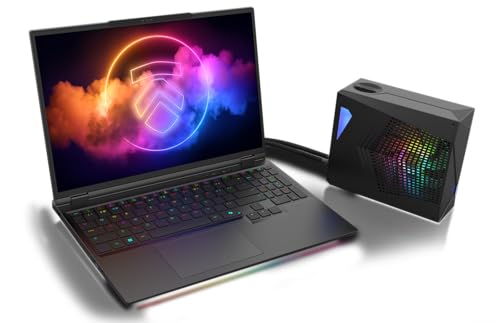
Ultimate Cooling - Proudly featuring the an internal hydraulic chamber partnered with an external liquid cooler (included). Enjoy this laptop with desktop caliber qualities while at home and unplug just as easy as an AC adapter for mobile use in seconds. The best of both world's at your fingertips!

64 CHANNEL SECURITY CAMERA SYSTEM: This system has 48pcs 4K/8MP 2.8mm fixed lens PoE IP cameras with built-in microphone, IP67-rated waterproof for indoor and outdoor use. The 4K 64CH NVR of this system comes with 2X 8TB hard drive. it has 8 SATA port to expand to total 80TB storage space.
Real-World Implications: What to Consider When Choosing Audio Equipment
Choosing the right audio equipment isn’t just about picking something flashy or popular—there’s a lot more to contemplate. Professionals often rely on gear designed for durability, boasting metal casings and quality components that withstand tough environments. In contrast, consumer audio equipment frequently uses plastic parts that may not hold up as well.
Signal compatibility is also key; professional audio operates at a higher line level of +4 dBu, while consumer audio generally functions at -10 dBV. When it comes to sound reproduction, pro gear focuses on accuracy, while consumer products often enhance sound, catering to casual listeners. Ultimately, investing in professional audio may seem pricey, but its performance and reliability can pay off in the long run—just like those sturdy work boots everyone should own!
Frequently Asked Questions
What Is the Difference Between Consumer and Pro Audio Levels?
Consumer audio levels peak at -10 dBV, about 11.8 dB lower than professional +4 dBu levels. This difference affects input types, output clarity, dynamic range, signal integrity, and pricing, highlighting contrasting build quality and frequency response specifications.
What Is the Highest Quality Audio Brand?
Among the highest quality audio brands, Neumann and Steinway Lyngdorf excel in sound fidelity, renowned for their exceptional manufacturing techniques. Their brand reputation reflects adherence to industry standards, catering to both professional and discerning consumer preferences.
What Is Professional Audio Equipment?
Professional audio equipment embodies the essence of artistry, enabling precise studio recording, intricate sound mixing, and high fidelity through diverse microphone types and advanced audio interfaces, complemented by robust playback systems and meticulous acoustic treatment for ideal performance.
What Is Professional Line Level?
Professional line level refers to +4 dBu signals, ensuring ideal impedance matching and enhanced signal clarity. It’s essential for audio interfaces, studio monitors, professional mixers, and sound reinforcement systems, accommodating stronger signals necessary for high-quality audio production.


