As an Amazon Associate, we earn from qualifying purchases. Some links on this site are affiliate links at no extra cost to you. Our recommendations are based on thorough research and editorial judgment.


Understanding Phantom Power: What It Is and When You Need It

Phantom power is a way to send +48V DC through XLR cables to help condenser microphones work properly. These mics need that power for their internal preamps, which convert sound into electrical signals. It’s super handy since you won’t need big external power supplies. Just watch out! Ribbon microphones can be damaged if you use phantom power with them. Curious about how it all came to be or what mics need it? There’s more to explore!
Key Takeaways
- Phantom power is a +48V DC voltage supplied through XLR cables, essential for condenser microphones to function.
- Most condenser microphones require phantom power for their internal preamps which convert sound into electrical signals.
- Phantom power offers convenience by removing the need for bulky external power supplies, with a voltage range often between 9V to 52V.
- Always check microphone manuals for compatibility, as ribbon microphones can be damaged by phantom power, while most dynamic mics do not require it.
- To prevent loud pops, always switch off phantom power before connecting or disconnecting microphones.
What Is Phantom Power?
Phantom power might sound like a spooky term, but it’s actually a simple and essential part of recording audio. This DC voltage, typically +48V, is sent through XLR cables to power condenser microphones. These mics need power to function properly, as they rely on active electronics. The voltage flows through pins 2 and 3 on an XLR-3 connector, while pin 1 acts as the ground. It’s the magic that keeps their internal preamps running smoothly. Though phantom power can range from 12 to 52 volts, +48V is the most common standard for many microphones. Just a heads-up: while generally safe, you should steer clear of using phantom power with ribbon microphones, which might not appreciate the extra electricity! Portable phantom supplies are perfect for musicians and podcasters who need reliable power solutions while recording on the go.
The Importance of Phantom Power for Microphones
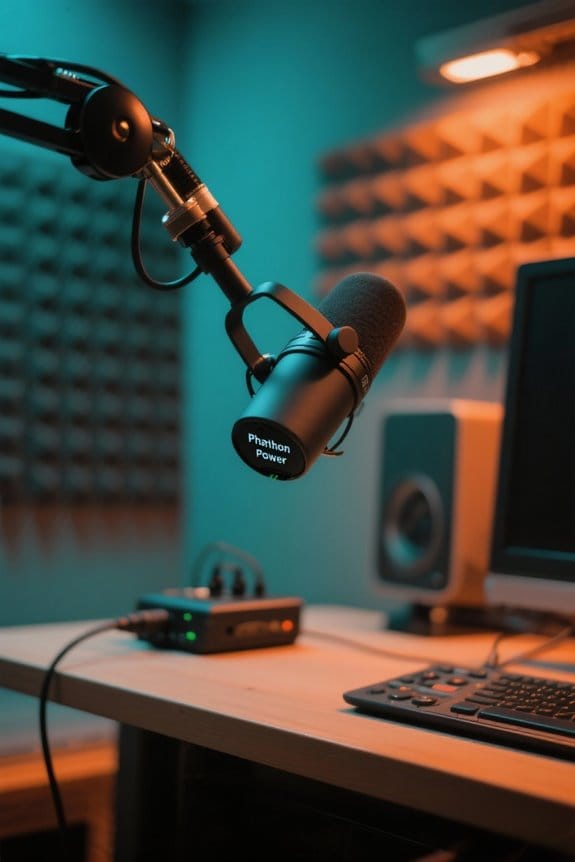
In the world of audio recording, understanding the significance of phantom power is key for working with condenser microphones. These microphones need +48V DC power to operate effectively, as they rely on an internal preamp for amplification. Phantom power is conveniently delivered through XLR cables, using pins 2 and 3, while pin 1 is grounded—simple enough, right? Unlike dynamic microphones, which can function without any extra juice, condenser microphones can’t convert sound waves into electrical signals without that essential power. Additionally, phantom power eliminates the hassle of bulky external power supplies, streamlining your audio setup. Many condenser mics can even work with 9-52V, offering flexibility across various setups. Who knew power could be this important? Modern audio interfaces like the FIFINE PC Audio Mixer provide dedicated phantom power switches for seamless integration with professional condenser microphones.
How Does Phantom Power Work?
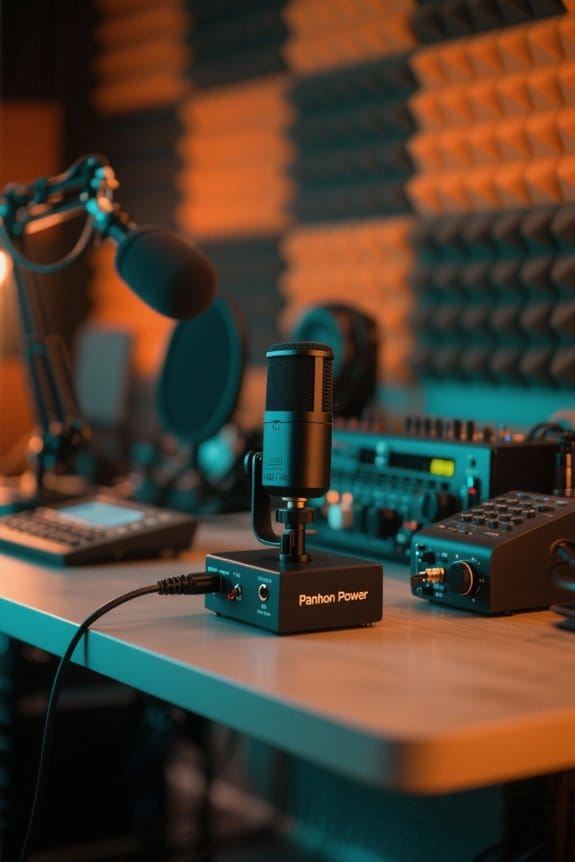
Understanding how phantom power works can be a game-changer for anyone using condenser microphones. Phantom power supplies a DC voltage, usually +48V, through balanced XLR cables. It travels along pins 2 and 3 of the XLR connection, with pin 1 acting as the ground, ensuring non-powered microphones remain unaffected. This invisible electrical boost powers the internal preamps inside condensers, allowing them to turn sound waves into electrical signals efficiently. Most microphones prefer around 48 volts, but they can also function with voltages between 9V and 52V. Just remember, always switch off phantom power before connecting or disconnecting your mic—nobody likes a surprise power surge during a recording session! Phantom power’s no joke; it keeps those sweet sounds flowing smoothly! For optimal recording quality, many vloggers pair phantom-powered microphones with noise reduction technology to minimize unwanted background sounds during their sessions.
Types of Microphones That Require Phantom Power
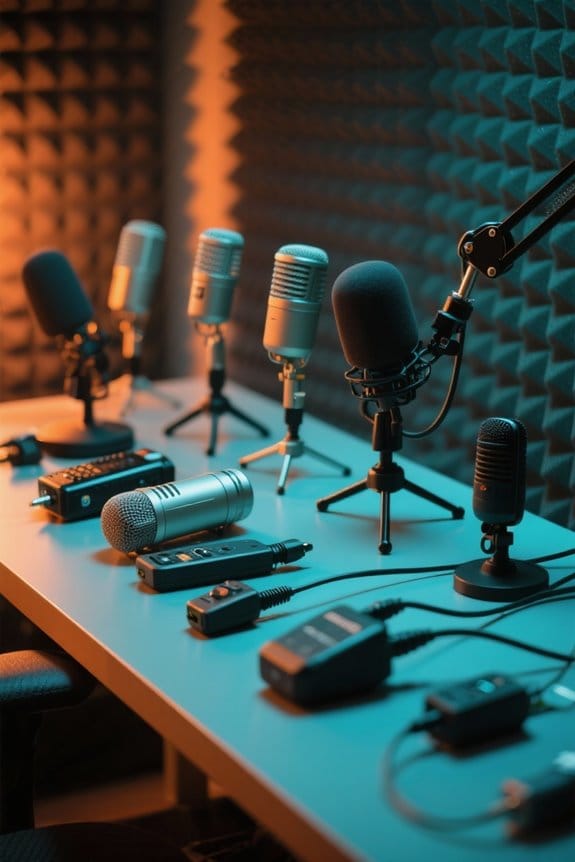
When it comes to microphones that need phantom power, it’s mainly condensers that take center stage. These condenser microphones are essential for capturing vibrant sounds, as they use active circuitry to amplify audio. Typically, they need +48V DC to polarize their diaphragms effectively. But wait, there’s more! Some dynamic microphones, especially active models, can also require phantom power, though be careful, as they might get damaged. Ribbon microphones may join the party too, but again, caution is key. All this magic happens through balanced XLR cables, transmitting power without fuss. If your mic boasts advanced features like multiple polar patterns or built-in electronics, phantom power is a must. So, keep your gear powered up for the best sound experience! Modern USB-C microphones have eliminated the need for phantom power while still delivering professional-grade audio quality.
Standard Voltage Ranges for Phantom Power
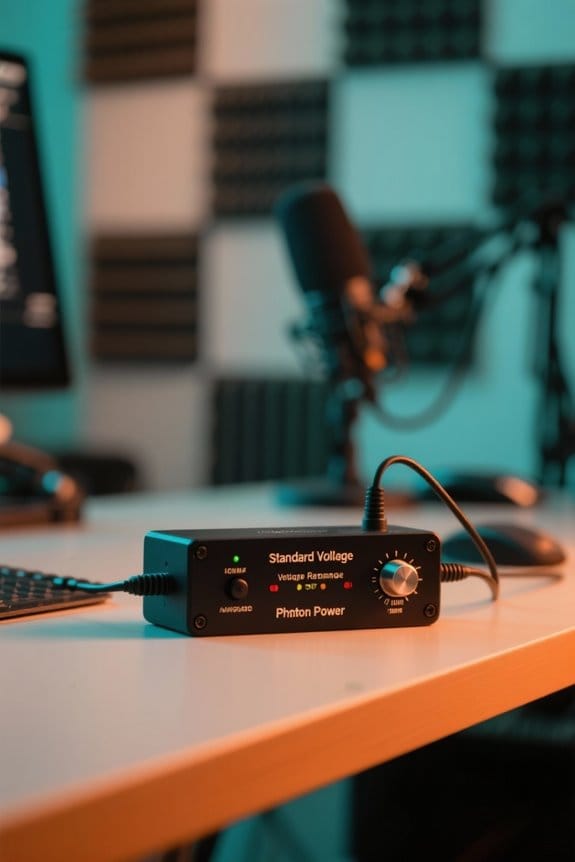
Phantom power typically operates at a standard voltage of +48V, but it’s not just that simple! Most condenser microphones need phantom power within a range of +11V to +52V. While +48 volts is the most common voltage, older systems might use +12V or +24V—though those are pretty rare nowadays. According to IEC standards, phantom power can draw up to 10 mA of current, which helps guarantee compatibility with various devices. It’s interesting to note that some condenser microphones perform well at as low as 9 volts but truly shine at that standard +48V. So, when setting up your audio gear, be mindful of these voltage specifications. Mismatched volts can lead to unexpected audio quirks, and nobody wants that! For optimal recording quality, many modern condenser microphones excel in studio settings where proper phantom power supply ensures detailed audio capture.
The Impact of Inadequate Phantom Power
Inadequate phantom power can lead to a range of performance issues for condenser microphones, much like trying to run a car on empty. When phantom power drops below the standard +48V, these mics struggle. You’ll notice reduced sensitivity and increased distortion levels. High-frequency details? Forget it! Condensers thrive on stable voltage, and any inconsistency usually means compromised audio quality. If the internal preamp can’t get enough power, the entire gain and clarity suffer. Sure, using lower voltage settings like 12V or 24V might work for some specific models, but overall performance will still take a hit. So, keep that phantom power in check to guarantee your audio captures sound as vibrant as your favorite playlist—no one wants a muffled tune! Similar to adjustable color temperatures in cabinet lighting, proper voltage control is essential for optimal performance and customization.
Best Practices for Using Phantom Power
Getting the most out of phantom power requires a little finesse and know-how, much like mastering a recipe. First, always check the microphone’s manual for its phantom power specifications. Remember, ribbon microphones can be fragile, and using phantom power could damage them. When it comes to dynamic microphones, most don’t need it, but active dynamic models may require it for special features, so double-check compatibility.
Also, be certain to turn off phantom power when plugging in or unplugging microphones to avoid those annoying loud pops in your audio signal. Finally, verify your audio interface is labeled P48 or 48V to confirm it can support phantom power. With these tips, you’ll keep your setup sound and your recordings smooth! For optimal results during interviews, consider using lavalier microphones that provide clear audio pickup while maintaining proper positioning at chest level.
Risks Associated With Phantom Power and Different Microphones
Microphone choice can feel like diving into a treasure chest, but it’s important to know the lay of the land, especially when phantom power is in play. While dynamic microphones generally don’t need external power, applying phantom power usually won’t cause damage. However, caution is vital with ribbon microphones—phantom power damage can easily occur. These delicate beauties can be toast if subjected to phantom power without a proper check on the manufacturer’s guidelines. It’s always wise to switch off phantom power before connecting or disconnecting any microphone. This simple step can save you from loud pops or surges that could damage your gear. Remember, adequate phantom power guarantees peak performance, especially for condensers that truly need it! Using high-density foam windscreens can help minimize unwanted background noise while maintaining your microphone’s optimal performance.
Historical Development of Phantom Power
Although it might seem like a modern invention, the development of phantom power actually dates back to the 1930s. Early condenser microphones required bulky external power supplies, which were quite a hassle. By the 1960s, German innovators like Schoeps and Neumann revolutionized this technology, allowing phantom power to be delivered directly through the mixing board and microphone cable, making setups much simpler. The term “phantom power” was coined to highlight this invisible power source, which doesn’t interfere with dynamic microphones. A standard voltage of 48 volts was established, evolving from earlier standards of 12 and 24 volts. To add to the fun, IEC 61938:2018 later became the go-to standard, ensuring compatibility and reliability across various brands and devices. Modern balanced to unbalanced converters maintain this legacy of clean audio transmission while minimizing interference and noise.
Compatibility of Phantom Power With Audio Equipment
Frequently, the compatibility of phantom power with audio equipment can make or break a recording session. Many audio interfaces and mixers have a dedicated phantom power switch to guarantee smooth operation with condenser microphones, which typically require it to function properly. However, not all microphones play nice with phantom power. Ribbon microphones, for instance, can be damaged when exposed to it, so always read the manual before hitting that switch. The standard IEC 61938:2018 guarantees that phantom power specifications are met across various brands, making life a bit easier for audio engineers. Ultimately, understanding how phantom power interacts with your gear can save you from unexpected mishaps—because nobody wants to ruin a perfect take over a power mishap! Modern interfaces like the Focusrite Scarlett Solo offer high dynamic range capabilities while maintaining proper phantom power support for professional recording needs.
Common Misconceptions About Phantom Power
When diving into the world of phantom power, it’s easy to stumble upon some common misconceptions that can leave even seasoned audio engineers scratching their heads. Many believe phantom power is dangerous for all microphones, but that’s not true. Most modern condenser microphones safely require phantom power, while dynamic microphones don’t need it at all. Some users mistakenly think it’s necessary for every mic; in reality, only condenser and certain active ribbon microphones require it. And guess what? Phantom power doesn’t alter audio quality! It’s not audible unless a mic can use it. Finally, “phantom” refers to its non-intrusive nature, not to any weak power. So, don’t let myths cloud your mic setup!
Resources for Further Learning on Phantom Power
Phantom power might seem a bit mysterious, but exploring its world can actually be quite enlightening. To better understand this essential feature, various resources are available. For starters, the IEC 61938:2018 standard outlines universal specifications for phantom power, ensuring compatibility across devices. Sweetwater’s knowledge base investigates maintenance tips for condenser microphones and the workings of phantom power. Research papers by experts reveal how phantom power, often delivered via external phantom power connections, affects microphone electronics and optimizes audio performance. For practical application, AES Convention Papers share best practices on using phantom power effectively. So, whether you’re working with DC (Direct Current) or just curious, these resources can clear the air around phantom power!
Frequently Asked Questions
What Is Phantom Power and Why Do I Need It?
Phantom power is essential for condenser microphones, as it meets their power requirements and facilitates effective signal transmission. It simplifies audio equipment setups by eliminating bulky supplies, enhancing flexibility in professional sound applications.
How Do I Know if I Need Phantom Power?
To determine the need for phantom power, one must assess microphone types; condenser mics require a power supply for ideal signal strength, while dynamic and ribbon mics typically do not, ensuring compatibility with audio equipment.
How to Properly Use Phantom Power?
To properly use phantom power, check the phantom power settings on the audio interface for compatibility, verify proper microphone connection, and troubleshoot any issues by consulting the manufacturer’s guidelines to prevent potential damage to microphones.
When Not to Use Phantom Power?
Phantom power should not be used with ribbon microphones or dynamic microphones, as it is unnecessary. Additionally, users must consider equipment compatibility and potential audio signal distortion due to power supply limitations before activation.