As an Amazon Associate, we earn from qualifying purchases. Some links on this site are affiliate links at no extra cost to you. Our recommendations are based on thorough research and editorial judgment.


What Is a Lavalier Microphone and How Does It Work?

A lavalier microphone, or lapel mic, is a small, hands-free device that clips to your clothing for easy audio capture. It’s designed to minimize background noise while picking up clear dialogue, typically placed about 20-30 centimeters from your mouth. Available in wired or wireless versions, you can find them ranging from budget-friendly models like the BOYA BY-M1 to professional options like the Rode Wireless Pro. Stick around, and you’ll discover more about their types and best uses!
Key Takeaways
- A lavalier microphone, or lapel mic, is a small, hands-free audio recording device clipped onto clothing.
- It captures clear audio with either omnidirectional or cardioid pickup patterns, minimizing background noise.
- Lavalier mics can be wired, connecting via TRS/TRRS, or wireless, using a transmitter and receiver for mobility.
- Common placements include attaching to collars or tucking into clothing, ensuring optimal sound capture 20-30 centimeters from the mouth.
- Ideal for interviews, theater, and presentations, lavalier mics allow for discreet sound amplification while enabling free movement.
What Is a Lavalier Microphone?
Envision this: you’re at a bustling event or filming a scene, and you need to capture crystal-clear audio without all that pesky background noise. Enter the lavalier microphone, or lapel mic, your new best friend! This small, discreet device clips right onto your clothing, making it perfect for hands-free use. Whether you opt for wired or wireless, these mics are designed for flexibility. Most lavalier mics feature either omnidirectional or cardioid pickup patterns, expertly picking up sound while diminishing unwanted background noise. They’re the go-to choice for interviews, theater, and television. Imagine clear dialogue with no audio hiccups—even in chaotic settings! The lavalier’s charm lies in its simplicity, allowing users to focus on their performance rather than fiddling with equipment. For optimal sound quality, positioning the microphone at chest level placement ensures better audio pickup while minimizing potential interference from clothing or accessories.
Lavalier Microphone Basics
Lavalier microphones, often dubbed lapel mics, are audio superheroes in the world of sound recording. These tiny, discreet devices clip onto clothing, making them perfect for hands-free audio in interviews, theater, and television. Lavalier microphones come in wired and wireless versions; wireless models offer incredible mobility by transmitting sound via radio waves. They often feature an omnidirectional pickup pattern, capturing sound from all around for clear recordings. With options to hide them under clothing or in hairstyles, they remain low-profile, reducing noise from fabric movement. Plus, the audio quality rivals conventional boom mics, providing flexibility and convenience. Today’s wireless lapel mics can achieve crystal clear audio with professional-grade 48kHz/24-bit quality for content creators and vloggers. So, if you’re after seamless recordings, a lapel mic might just be your new best friend in sound!
History of Lavalier Microphones
The journey of lavalier microphones is as fascinating as their small, unassuming designs. Originating in the 1930s, the term “lavalier” refers to jewelry worn around the neck, reflecting the microphone’s compact design. First used in 1932, these mics provided performers with freedom of movement, revolutionizing voice recording. Early models, employing condenser diaphragms and ribbons, gained popularity after the 1950s, thanks to brands like Electro-Voice and Shure. A major leap came in 1941 when Dictaphones introduced neck-suspended microphones, greatly enhancing voice recording technology. Today, lavalier microphones continue to evolve, becoming even more portable and discreet, making them essential in theater, television, and film. Who knew tiny gadgets could change the sound world so dramatically? Modern versions feature signal-to-noise ratios of 78 dB or higher, ensuring exceptional audio clarity in various recording environments.
How Lavalier Microphones Work
Beneath their compact exterior, lavalier microphones are clever little devices that capture sound in incredible ways. These clip-on devices can either connect via a wired system directly to a recording device or use a wireless system that transmits audio through radio frequencies. Most lavalier microphones feature omnidirectional pickup patterns, allowing them to capture sound from all directions, which truly helps in dynamic situations. Placement is key—ideally, they’re positioned 20-30 centimeters from the user’s mouth for maximum clarity while cutting down background noise. Inside, a tiny diaphragm vibrates from sound waves, converting them into electrical signals. Modern lavalier microphones utilize AI noise cancellation to significantly improve sound quality, especially in challenging environments. So, next time you see one, remember, it’s more than just a cute accessory—it’s a sound-capturing power tool!
Types of Lavalier Microphones
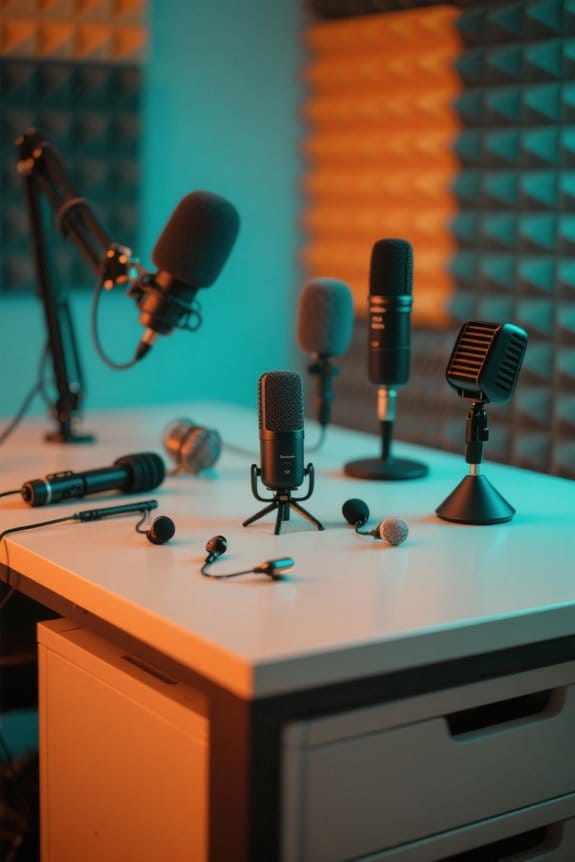
Microphone enthusiasts will find lavalier microphones come in two primary flavors: wired and wireless. Wired lavalier microphones connect directly to recording devices using TRS or TRRS connectors. Most importantly, the TRRSM version works well with smartphones. On the other hand, a wireless lavalier uses a transmitter and receiver, offering mobility with a range of up to 150 feet. This flexibility is perfect for live performances or interviews. Lavalier microphones come with different pickup patterns, like omnidirectional, capturing sound from all angles, or cardioid, which focuses on one direction. Additionally, their design includes handy clips to attach discreetly to clothing, allowing speakers to shine without pesky wires stealing the spotlight. Who wouldn’t want to look good while sounding great? Modern USB lavalier microphones feature high sampling rates up to 192kHz for superior sound clarity and detailed audio reproduction.
Recommended Products

1.【Long Working Range】IndoorLink one way tour guide system has equipped with our proprietary "RangeBoost" technology, The E211 wireless handheld transmitter of audio wireless tour guide system ensures robust signal strength and exceptional interference resistance. It delivers stable transmission over a distance of up to 180 meters (600 feet), which is three times the range of traditional 2.4GHz whisper tour guide system.

1.【Lavalier Design】IndoorLink E201 lavalier transmitter features a sleek clip-on design that keeps your hands free and eliminates the hassle of wires. This innovative design sets a new standard in simplicity and style for tour guide systems
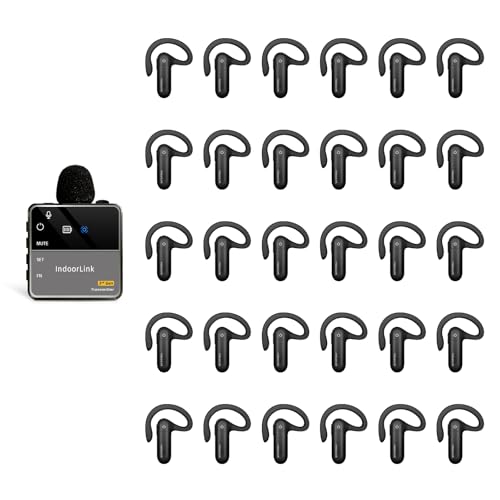
1.【Lavalier Design】IndoorLink E201 lavalier transmitter features a sleek clip-on design that keeps your hands free and eliminates the hassle of wires. This innovative design sets a new standard in simplicity and style for tour guide systems
Pros and Cons of Lavalier Microphones
Choosing a lavalier microphone can feel like steering through a maze of options and opinions, especially with the mix of pros and cons. On the bright side, lavalier microphones are great for hands-free operation and isolating individual voices. However, their sound quality can lag behind that of higher-end boom or handheld mics. While wireless lavaliers offer convenience, they depend on batteries, which can run out unexpectedly—yikes! Plus, clothing rustling can introduce audio interference, impacting your recordings. Set up can be tricky for novices, as positioning errors lead to audio disturbances. In chaotic environments, background noise may overwhelm the audio clarity. Weighing these factors helps in deciding if a lavalier microphone fits your needs. Modern solutions like the DJI Mic 2 feature intelligent noise cancellation technology to combat these common audio challenges.
Key Features to Look for in a Lavalier Microphone
When diving into the world of lavalier microphones, it’s important to keep an eye out for some key features that make a significant difference. First up, consider the pickup pattern. Omnidirectional pickup patterns capture sound from all angles, while cardioid patterns zoom in on sound from one direction. Then there are wireless models, perfect for those who love to move around without getting tangled.
Next, check the connector types—TRS, TRRS, and XLR options make compatibility a breeze with various devices like smartphones and cameras. Last but not least, frequency response matters! A good mic will guarantee clear audio, making your recordings shine. So, keep these features in mind, and avoid the trap of poor audio—the enemy of every budding filmmaker!
Recommended Products

Sennheiser Pro Audio portable wireless combo set (ew 500 FILM G4-AW+)

Canon PowerShot G7 X Mark III- 20.2MP 1" Stacked CMOS Sensor, DIGIC 8 Image Processor, 4.2x Optical Zoom f/1.8-2.8 Lens, 24-100mm (35mm Equivalent), 3.0" 1.04m-dot touchscreen w/ 180° upward tilting, In-camera battery charging, Built-in Bluetooth and Wi-Fi

Includes WL183, QLXD1, QLXD4, power supply, 2 AA batteries, two 1/2 wave antennas, 2 BNC cables, zipper bag, 2 BNC bulkhead adapters, rackmount kit, and user guide
Positioning Your Lavalier Microphone
Finding the perfect lavalier microphone is just the beginning; how it’s positioned can make all the difference in audio quality. When positioning a lavalier, place it about 20-30 cm from the speaker’s mouth. This distance helps capture clear audio without distortion. Common attachment points include the collar or tie knot, minimizing movement noise that can be distracting. Remember, omnidirectional lavalier microphones pick up sound from all angles, so verify it’s oriented toward the speaker. To avoid clothing rustle, steer clear of rough fabric areas. Creative placements, like inside buttonholes or hidden in hair, can keep the clip mic discreet while preserving sound quality. Just be cautious—clothing might not always cooperate, but that’s all part of the fun! For optimal voice clarity, consider using a cardioid pickup pattern microphone which effectively reduces unwanted background noise and feedback.
Mounting Techniques for Lavalier Microphones
Mounting a lavalier microphone properly is key to capturing great sound while keeping things discreet. Common mounting techniques include attaching the mic to the collar, tucking it into clothing, or using the tie knot for secure placement. Placing the microphone 20-30 cm from the mouth guarantees ideal audio capture. To remain hidden, consider concealment methods like the “broadcast loop” technique or use non-rustling materials, such as moleskin, for a neat profile. In theater, these mics might hide in hair or costumes, while in TV, they’re typically clipped to clothing. For wireless lavalier mics, the transmitter pack should stay secure and out of sight—tucked away in a pocket or attached to a belt. A little creativity goes a long way! The signal-to-noise ratio should exceed 70 dB for optimal audio performance in any mounting position.
Recommended Products

GLX-D Advanced Digital Wireless Features Intelligent Rechargeability: Proprietary Lithium-ion rechargeable batteries with accurate battery metering for up to 16 hours of use when fully charged.

DJI Osmo Pocket 3- 3-Axis Gimbal Mechanical Stabilizer, 1" CMOS Sensor, Full-Pixel Fast Focusing, Up to 4K120 Resolution, 2" Rotatable Screen, Smart Horizontal/Vertical Shooting, D-Log M & 10-Bit Support, Active Track 6.0, Stereo Recording, Up to 166 Minutes of Battery Life, USB-C PD Cable Included, Wi-Fi & Bluetooth Support

DJI Osmo Pocket 3- 3-Axis Gimbal Mechanical Stabilizer, 1" CMOS Sensor, Full-Pixel Fast Focusing, Up to 4K120 Resolution, 2" Rotatable Screen, Smart Horizontal/Vertical Shooting, D-Log M & 10-Bit Support, Active Track 6.0, Stereo Recording, Up to 166 Minutes of Battery Life, USB-C PD Cable Included, Wi-Fi & Bluetooth Support
Common Use Cases for Lavalier Microphones
Lavalier microphones shine in various settings, making them a favorite among audio professionals and performers alike. In theater productions, these lapel mics discreetly amplify actors’ voices without hindering movement or costumes—coughing and sneezing take a backseat! During television interviews, lavalier microphones provide clear audio and allow hosts to engage naturally without bulky equipment. Documentaries, with their intricate narratives, often utilize these mics to capture dialogue in diverse environments, ensuring every word counts. Stage musicals benefit, too—think dynamic choreography without compromising sound quality. Public speaking also thrives with this handy equipment; speakers can roam freely while keeping clarity intact, making for a smooth experience. Who knew a little microphone could do so much? It’s an audio game changer! Modern wireless lavalier mics feature active noise reduction capabilities that can reduce ambient sounds by up to 40 dB, ensuring crystal-clear recordings in challenging environments.
Best Lavalier Microphones for Various Applications
When it comes to capturing high-quality audio, a variety of lavalier microphones stand out for specific needs and budgets. For professionals, the Rode Wireless Pro is considered the best lavalier microphone, offering 32-bit floating technology for crystal-clear recordings. If you’re using a lavalier for your smartphone, the Rode SmartLav+ is an excellent pick that’s user-friendly and reliable. On a budget? The BOYA BY-M1 is flexible and versatile, perfect for beginners. If studio-quality sound is the goal, check out the Movo LV8-D, which requires phantom power. Finally, for interviews, the Giant Squid lavalier microphone shines with stereo recording capability. With these best options, you’ll find some of the top mics on the market suited for your audio needs! For optimal audio clarity, using proper windscreen accessories helps minimize unwanted background noise and plosive sounds during recording.
Recommended Products

Bundle Includes: 1 x Sony URX-P41D Dual-Channel Camera-Mount Wireless Receiver (UC14: 470 to 542 MHz)| 2 x Sony UTX-B40 Wireless Bodypack Transmitter with Omni Lavalier Mic (UC14: 470 to 542 MHz) | 2 x Sony ECM-V1BMP Omnidirectional Lavalier Microphone with Locking Sony 3.5mm Connector (Black) | 2 x Mic Clips | 2 x Windscreens | 3 x Belt Clips | Shoemount Adapter for Receiver | 2 x XLR to Locking 3.5mm Output Cables | 3.5mm to Locking 3.5mm Cable | MDR 7506 Professional Stereo Headphones | Gob

Our UHF-8800-XL package takes the proven UHF technology we're known for and lifts it to new heights

DJI USA Authorized - FULL USA Warranty | OSMO Pocket 3 - Capture Stunning Footage - This vlogging pocket gimbal camera features a 1-inch CMOS sensor and records in 4K resolution at an impressive 120fps. Capture breathtaking night views and sunsets with enhanced clarity. | Effortlessly Frame Your Shots - Get the ideal composition with Osmo Pocket 3's expansive 2-inch touch screen that rotates for both horizontal and vertical shooting. Perfect for vlogging, travel, and cinematic content.
Tips for Maintaining Your Lavalier Microphone
To keep audio recordings sounding crisp and professional, proper maintenance of a lavalier microphone is essential. Regularly check the microphone for wear, like frayed cables or damaged connectors, to guarantee superior sound. Keep lav mics clean, using a soft cloth—no harsh chemicals, please; they’re not great for your mic’s health! Always store the mic in a protective case to avoid damage and messy tangles. For wireless lavalier mics, remember to keep the battery fully charged; no one likes unexpected silence during recordings. Additionally, monitor your audio closely and use a cable management system to secure the mic’s cord. It’ll help prevent annoying sounds from clothing rustles or those pesky accidental pulls. Happy recording!
Recommended Products
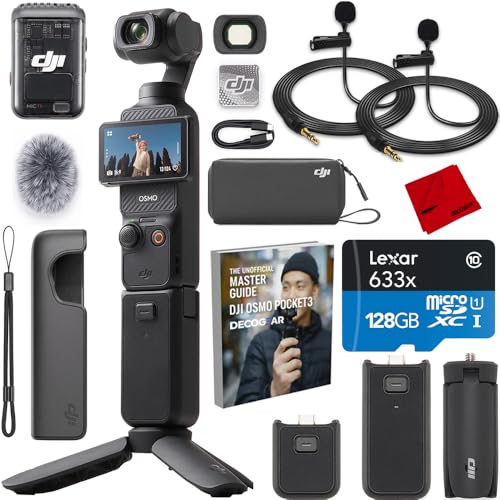
DJI USA Authorized - Full USA Protection | OSMO Pocket 3 - Capture Stunning Footage - This vlogging pocket gimbal camera features a 1-inch CMOS sensor and records in 4K resolution at an impressive 120fps. Capture breathtaking night views and sunsets with enhanced clarity. | Effortlessly Frame Your Shots - Get the ideal composition with Osmo Pocket 3's expansive 2-inch touch screen that rotates for both horizontal and vertical shooting.

DJI Osmo Pocket 4-1″ CMOS & 4K/240fps, 14-Stop Dynamic Range, 10-bit D-Log, 3-Axis Stabilization & Rotatable Touchscreen, 2× Lossless Zoom, 107GB Built-In Storage & 800MB/s Transfer, OsmoAudio 4-Channel Output

Excellent live sound featuring renowned evolution microphone capsules
Frequently Asked Questions
What Is the Purpose of a Lavalier Microphone?
The lavalier microphone serves to enhance audio clarity in interview applications and event recordings. Its portable design, featuring discreet placement and mobility benefits, allows users to capture high-quality sound without intruding on visual aesthetics.
How Do You Use a Lavalier Microphone?
To use a lavalier microphone, select an appropriate type, guarantee proper microphone placement near the mouth, utilize accessories to enhance audio quality, and opt for wireless options to facilitate ease of movement during recordings.
What Is One Drawback of Using Lavalier Mics?
Imagine a tightrope walker balancing precariously; similarly, lavalier microphones stand vulnerable to interference issues. Sound quality suffers when placement challenges arise, and limited battery life exacerbates problems, impacting audio range and recording clarity greatly.
What Is the Difference Between a Lavalier Mic and a Normal Mic?
A lavalier mic differs from a standard mic primarily through omnidirectional versus cardioid pickup patterns, wireless flexibility, and specific microphone placement tips, impacting sound quality factors in various interview setup techniques for ideal audio capture.