As an Amazon Associate, we earn from qualifying purchases. Some links on this site are affiliate links at no extra cost to you. Our recommendations are based on thorough research and editorial judgment.


Understanding Microphone Sensitivity and SPL Ratings

Microphone sensitivity and SPL ratings play a big role in how well mics capture sound. Sensitivity, measured in mV/Pa, tells you how effectively a mic converts sound into an electrical signal. For instance, condensers can range from 8 to 32 mV/Pa, while dynamics usually sit between 1 to 4 mV/Pa. Higher sensitivity means better performance for quieter sounds. Plus, understanding these ratings helps you choose the right mic for your needs—stick around to uncover even more tech tips!
Key Takeaways
- Microphone sensitivity is measured in millivolts per Pascal (mV/Pa), indicating the output voltage produced by sound pressure levels.
- Sensitivity values expressed in dB correlate to a microphone’s efficiency, with lower negative dB values indicating higher sensitivity.
- Dynamic microphones typically range from 1 to 4 mV/Pa, while condenser microphones range from 8 to 32 mV/Pa.
- Higher sensitivity is crucial for capturing quieter sounds, while dynamic microphones perform well in high-sound pressure environments.
- Understanding SPL ratings helps optimize recording levels and balance sensitivity with self-noise for quality audio capture.
The Decibel (dB) Scale and Microphone Sensitivity
When exploring the world of microphones, understanding the decibel (dB) scale is absolutely essential. The dB scale is logarithmic, meaning every 10 dB is a tenfold increase in sound intensity—pretty wild, right? Microphone sensitivity, expressed in millivolts per pascal (mV/Pa), measures how efficiently a microphone converts sound pressure to electrical signals. A standard reference is 94 dB SPL, representing a 1 kHz tone at 1 Pascal. When it comes to ratings, a microphone at -40 dBV/Pa is actually more sensitive than one at -50 dBV/Pa. The closer to zero, the higher the output voltage for the same input. So, remember, this sensitivity impacts both audio quality and frequency response, especially in dynamic microphones. Mic drop! Similar to how H.265+ compression helps optimize video storage in camera systems, proper microphone sensitivity settings help maximize audio recording efficiency.
Measuring Microphone Sensitivity

Measuring microphone sensitivity isn’t just about numbers; it’s the heart of understanding how well your mic captures sound. Microphone sensitivity ratings are typically measured using millivolts per Pascal (mV/Pa). A higher output level means better efficiency in converting sound pressure into an electrical signal. Generally, these ratings are expressed in decibels (dB), with a baseline of 94 dB SPL at 1 kHz. Notably, a sensitivity rating closer to zero dB indicates higher sensitivity. For example, -40 dBV is indeed more sensitive than -55 dBV. Different microphones have distinct specifications—dynamic mics usually fall between 1 to 4 mV/Pa, whereas condensers range from 8 to 32 mV/Pa. Understanding these numbers can help optimize recording levels across various applications. For optimal sound clarity, many podcasters choose microphones with cardioid pickup patterns to effectively reduce unwanted background noise during recording sessions.
Recommended Products

Requires +48V phantom power

2 x C414 XLS Sonically Matched Pair - Engineered for highest linearity and neutral sound for beautifully detailed recording of vocals and any acoustic instrument

𝗘𝗻𝗴𝗶𝗻𝗲𝗲𝗿𝗲𝗱 𝘄𝗶𝘁𝗵 𝗥𝘂𝗽𝗲𝗿𝘁 𝗡𝗲𝘃𝗲 – Featuring the world’s smallest gold-sputtered diaphragm and a full-scale custom transformer, the RN17 small diaphragm condenser microphone delivers ultra-fast transient accuracy, full low-end authority, and clarity across the entire frequency spectrum
Interpreting Sensitivity Values

Interpreting microphone sensitivity values can feel a bit tricky, especially with all the numbers flying around. Sensitivity is measured in millivolts per pascal (mV/Pa), indicating how much electrical signal a mic produces at a certain sound pressure level (SPL). For example, a dynamic microphone might range from 1 to 4 mV/Pa, translating to -60 to -48 dB re 1V/Pa. In comparison, condenser mics are more sensitive, showing 8 to 32 mV/Pa or -42 to -30 dB re 1V/Pa. Higher sensitivity means better performance in low-SPL applications, capturing quiet sounds effectively. It’s essential to take into account sensitivity for gain adjustments to avoid distortion and self-noise, and remember, lower negative dB values mean higher sensitivity—got that? Modern USB condenser microphones like the MAONO feature a signal-to-noise ratio above 70 dB, ensuring clear audio capture with minimal background interference.
Enhancing Microphone Performance

Microphone sensitivity is just one part of the audio puzzle. To enhance performance, using an in-line microphone booster like the Samson HighRise is a smart move. This little device can provide up to +30 dB of clean gain, giving a serious boost to microphone output for clearer recordings. Plus, it features a high-frequency boost, perfect for improving vocal clarity. Incorporating a low-cut filter helps cut out unwanted noise, optimizing audio quality even further. Proper preamplification is essential, especially in low sound pressure level (SPL) environments. Understanding gain stages makes a big difference in recording quality, especially when dealing with typical USB-powered interfaces. With these tools, achieving high sensitivity and low self-noise is totally within reach! Happy recording! High sound quality remains crucial for maintaining listener engagement and podcast success.
Recommended Products

ICONIC SOUND, SIMPLIFIED: Built on the same dynamic cartridge and frequency response as the SM7B, the SM7dB delivers the same warm, natural vocal character with a built-in preamp that eliminates the need for external gain boosters

FOR HOME STUDIOS & PROFESSIONAL RECORDING: In the studio, boost the signal of quiet audio sources like vocals, percussion, or acoustic instruments while maintaining the natural sound of your microphone. The Cloudlifter is the perfect podcast equipment piece for creators who want to take their production to the next level!

Low-Output Mic Magic: The Warm Lifter offers 26 dB of clean gain to low-output microphones, including passive ribbons and certain dynamic models, ensuring optimal performance in both recording and live scenarios where additional gain is crucial for accurate detail and frequency response, especially when connected directly to interfaces.
Practical Implications of Sensitivity Ratings
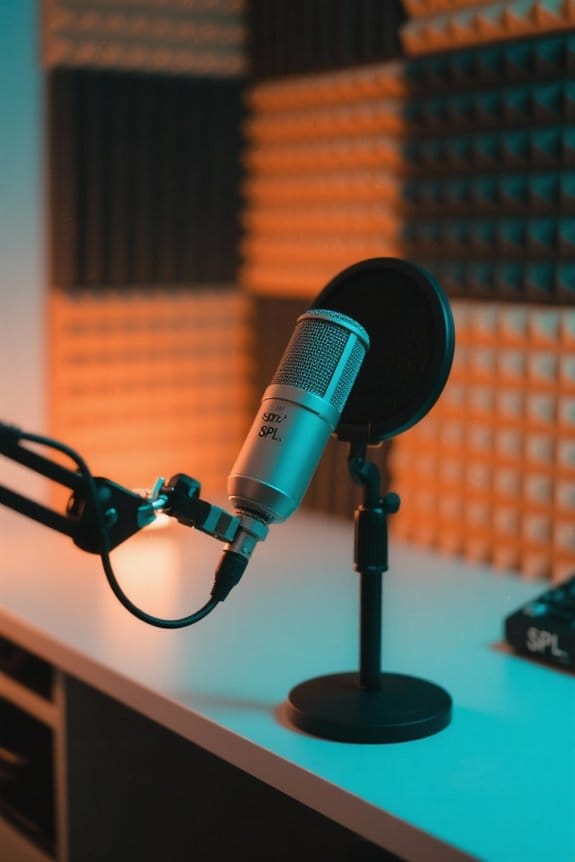
When it comes to audio quality, understanding sensitivity ratings can feel like cracking a secret code. Microphone sensitivity, measured in mV/Pa or dB re 1V/Pa, indicates how well a microphone converts sound pressure into an output signal. Higher sensitivity is perfect for quieter sounds, like those captured by condenser microphones, which typically range from 8 to 32 mV/Pa. On the flip side, dynamic microphones shine in high-SPL environments, averaging 1 to 4 mV/Pa. However, higher sensitivity doesn’t mean better audio; poor self-noise can ruin high-quality audio capture. So, balancing sensitivity and self-noise is key for success. Think of it as finding the perfect dance partner—too much of one thing can lead to a clumsy performance! Modern lavalier microphones achieve excellent clarity with signal-to-noise ratios of at least 65 dB, ensuring professional-grade audio capture in various environments.
Recommended Products
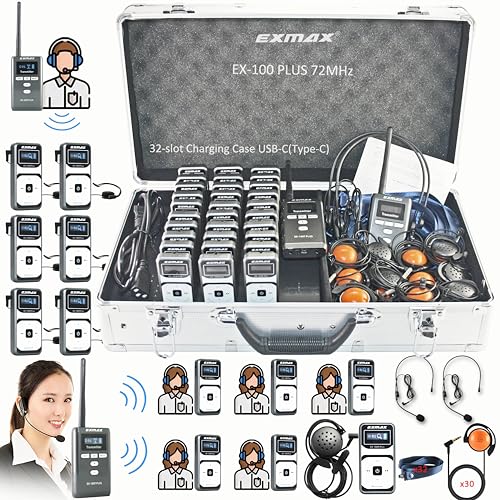
The EXMAX wireless audio transmission system could transmit voice of who speak to the microphone of transmitter to the ones who wear earphone of receivers,transmission distance is about 100 meters (328ft).40 frequency channels mean it has 40 select IDs allow at least 10 groups to work simultaneously.Widely used for field trip,tour exhibit guides,sermon interpretation,work-study,conferences,translation,audio visual laboratory,events for church,family,restaurants,hajj...
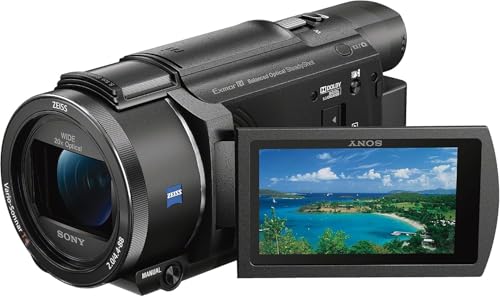
ZEISS lens(26.8mm) 20x optical zoom in 4K, 30x Clear Image Zoom in 4K

Compact pressure-gradient microphone with short interference tube for film, radio and television
Frequently Asked Questions
What Is a Good SPL for a Microphone?
A good SPL for a microphone typically hovers between 120 dB to 140 dB, balancing dynamic range and sound pressure. Mic types must consider recording environments, gain staging, and acoustic treatment for ideal vocal clarity and instrument capture.
How to Interpret Microphone Sensitivity?
Interpreting microphone sensitivity involves evaluating microphone gain, audio clarity, and noise floor across different types in various recording environments. Consider frequency response, dynamic range, and preamp compatibility, as well as how directional patterns affect sound pressure sensitivity.
What’s a Good Mic Sensitivity?
A microphone sensitivity rating of -40 to -60 dBV/Pa enhances sound quality across various recording environments. Selecting appropriate microphone types, like condensers for voice amplification, increases dynamic range while ensuring effective noise cancellation and frequency response with proper mic positioning.
Is Higher or Lower Mic Sensitivity Better?
Higher mic sensitivity offers advantages for capturing quiet sounds, though low sensitivity may prevent distortion in loud environments. The choice depends on recording context, volume levels, audience interaction effects, and acoustic treatment needs, impacting overall sound quality.