As an Amazon Associate, we earn from qualifying purchases. Some links on this site are affiliate links at no extra cost to you. Our recommendations are based on thorough research and editorial judgment.


The Role of Lavalier Mics in Live Theater and Events

Lavalier mics play an essential role in live theater and events, offering clear sound without bulky equipment. They typically sit 6-8 inches below the chin, capturing voices while performers move freely. These compact mics blend into costumes, maintaining visual appeal. They’re durable, moisture-resistant, and connect easily to wireless systems, ensuring great audio quality. From “The Phantom of the Opera” to “A Chorus Line,” these mics help elevate performances. Curious about the tech behind these “undercover” heroes?
Key Takeaways
- Lavalier mics provide freedom of movement for performers, eliminating the need for bulky handheld microphones during live theater productions.
- Their omnidirectional pickup captures clear audio, ensuring performers’ voices stand out even amid orchestral or ensemble sounds.
- Discreet design enhances audience focus on the performance while achieving professional audio quality without distracting equipment.
- These mics are essential for nuanced vocal performances and synchronized choreography, crucial in productions like “The Lion King” and “A Chorus Line.”
- Regular maintenance and compatibility with wireless systems maximize performance and durability, similar to the role of stage lighting in enhancing theatrical presentations.
Importance of Lavalier Mics in Live Performances
When it comes to live performances, the importance of lavalier mics can’t be overstated. These small, clip-on wonders allow actors and speakers to move freely without bulky handheld microphones. Imagine the thrill of a dynamic performance where every word is captured in crystal clear sound! Lavalier microphones, with their omnidirectional pickup patterns, pick up audio from all directions, enhancing the overall live experience. In addition, their discreet nature means audiences stay focused on the performance, not the equipment. Whether it’s a gripping theater scene or a corporate event, these mics deliver professional audio quality without visual distractions. It’s no wonder they’ve become the go-to choice, proving that great sound doesn’t have to be loud or obvious—just effective! With Kevlar-reinforced cables and solid metal clips, modern lavalier mics are built to withstand the rigors of frequent stage use while maintaining pristine audio quality.
Design Features That Enhance Performance

Lavalier microphones boast a range of design features that elevate their performance in live theater and events. These compact and discreet mics can be placed almost invisibly on performers’ clothing, helping to direct attention where it belongs—on the performance. Thanks to advanced CORE technology, modern lavalier mics deliver outstanding sound quality, even in tricky acoustic settings. Many models come with strong, flexible cables, designed to handle the treadmill of stage movement without losing audio fidelity. They’re also moisture-resistant, with an IP58 rating, ensuring durability in sweaty environments. Plus, with the capability to connect to a wireless mic system, performers can move freely, transforming the stage into their playground. Just be careful with those rogue costume changes! The latest systems feature noise-reducing technology that filters out unwanted background sounds, making them ideal for professional theater productions.
Recommended Products

US-Based 3-Year Warranty and Phone Support.
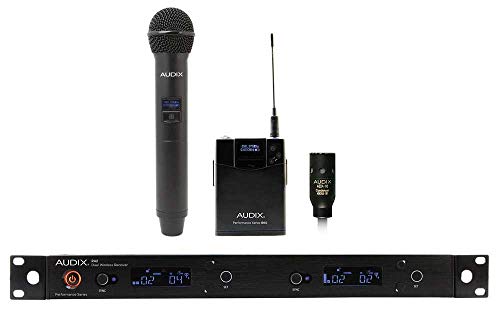
SIMPLE YET COMPREHENSIVE WIRELESS SOLUTION: The Audix AP42 system offers a complete wireless microphone solution, including a lavalier microphone, a handheld microphone, a mountable 2-channel receiver, and a bodypack transmitter.
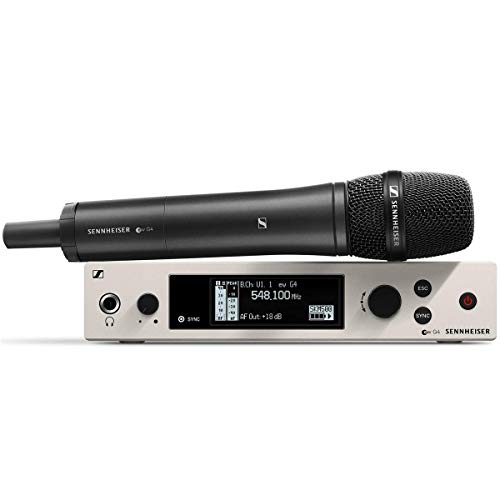
Wireless vocal set
Best Placement Practices for Optimal Sound
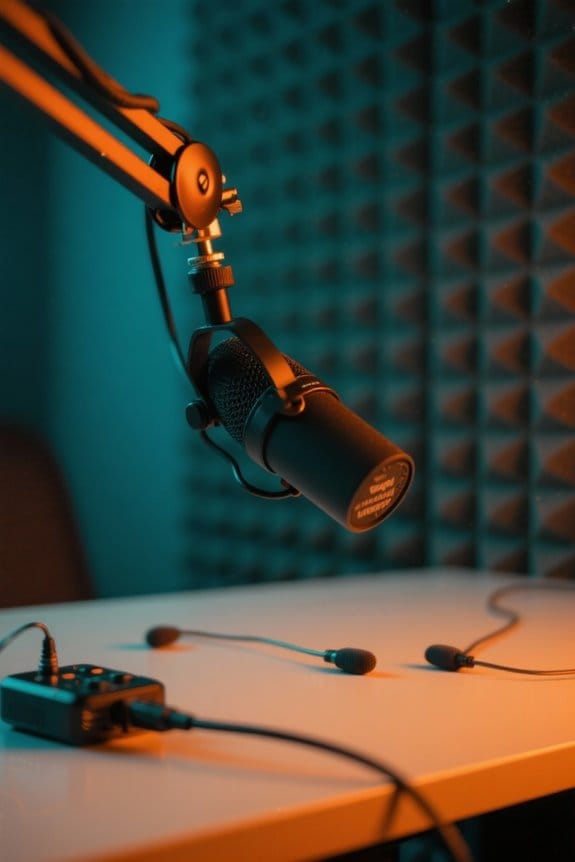
Securing a lavalier mic properly can make all the difference in sound quality during a performance. For ideal sound, place the mic at chest level, around 6-8 inches below the chin. This spot captures the voice clearly while cutting down on background noise. Use medical tape or clips for secure placement—no one wants a runaway mic stealing the spotlight! When working with costumes, consult the wardrobe team to hide the mic without interfering with quick changes. Avoid placing it on rough fabric to dodge pesky friction noise. Finally, if the actor sports a wig or hat, try positioning the mic at the hairline or on the cheek. It’s all about balancing sound and style! For optimal voice isolation, choose mics with a cardioid pattern that effectively minimizes unwanted background sounds.
Recommended Products

Professional-grade wearable microphone designed for use in a wide range of applications including filmmaking, broadcast, streaming and video calls.

Fur Windjammers are designed to be used under clothing to reduce wind noise and clothing rustle.

Button-Sized: The SmallRig Mini Mic S60 transmitter, weighing just 7.9g / 0.27oz, is as small as a button. It blends Bauhaus design with minimalist patterns for a modern look and incorporates advanced IML technology. Offering portability and style for discreet wear, it's ideal for filmmakers, vloggers, and podcasters
Compatibility With Various Audio Systems

Many performers and technicians know that compatibility with various audio systems is essential for a successful show. Lavalier microphones shine in this area, easily connecting to wireless transmitters, allowing performers to move freely. They can be integral to digital mixers, ensuring seamless integration into any existing sound setup. Many lavalier models feature interchangeable connectors, fitting various wireless systems. This versatility is a game-changer! Operating on UHF frequency bands, these mics minimize interference and deliver reliable sound transmission—because no one wants a surprise static break during a dramatic monologue. Advanced models even have built-in preamps, boosting signal strength and ensuring high sound fidelity. So, whether a seasoned pro or a newbie, using a lavalier mic can elevate any live performance! For optimal audio quality, many modern lavalier microphones offer studio-grade recording quality at 48kHz/24-bit for pristine sound reproduction.
Recommended Products

Rugged all-in-one wireless system for singers and presenters

Includes a dual channel receiver, 2 bodypack transmitters, and 2 omni-directional lavalier microphones

Includes a dual channel receiver, 2 bodypack transmitters, and 2 omni-directional lavalier microphones
Challenges and Solutions in Deployment

While having a mic that’s practically invisible is a dream for any performer, it doesn’t come without its hiccups. Lavalier mics can easily be affected by clothing interference or unexpected movements, leading to unwanted noise. That’s where proper mic placement becomes a game-changer; securing mics correctly helps avoid rustling fabric sounds. Similar to how Yamaha HS Series monitors provide precise sound reproduction in studios, proper lavalier mic setup ensures accurate audio delivery in live settings. In addition, it’s wise to implement backup plans, such as having spare mics ready for those “uh-oh” moments. Let’s be honest, tech failures happen! Plus, training actors on how to use these devices can prevent accidental adjustments that lead to distortion. With a bit of preparation, the wonders of lavalier mics can be fully revealed, allowing performers to shine without worry. After all, every great show deserves stellar sound!
Recommended Products

SLX-D Digital Wireless Microphone System, includes one SLXD4D Dual Receiver and two SLXD2 Handheld Transmitters with Nexadyne 8/S Supercardioid Dynamic Microphone Capsules

HOW IT WORKS: What’s the secret to giving you more wireless with less worry? Control. QLX-D lets you streamline setup across multiple receivers, and Wireless Workbench software gives you real-time access, monitoring and control throughout the performance. You can even manage the system from your iOS device for maximum convenience.

WIRELESS FREQUENCY BAND SELECTION: Before purchasing, please ensure that the wireless frequency band you select works in your area (refer to Shure website for details > search Shure Wireless Frequency Finder).
Maintenance Tips for Longevity
After making sure that lavalier mics are positioned perfectly, keeping them in top shape is the next big step. A few key maintenance tips can extend the lifespan of these microphones greatly. Regularly clean them with a soft cloth and alcohol wipes to avoid build-up that can affect sound quality—trust us, no one wants muffled audio! Inspect cables for fraying regularly, as damaged ones lead to performance issues. When they’re not in use, store wireless lavalier mics in a protective case to shield against damage. Also, don’t forget about battery checks; routine replacements can prevent unexpected power loss. Give these mics the care they deserve, and they’ll keep delivering fantastic sound during every performance! Similar to ActiveShield 4.0 monitoring in modern chargers, regular temperature checks of your lavalier equipment can prevent overheating and ensure optimal performance.
Innovations in Lavalier Technology
As technology evolves, so do lavalier microphones, making performances more seamless and enjoyable. Modern innovations have led to subminiature mics that are almost invisible. These tiny wonders allow actors greater freedom while blending effortlessly with their costumes. Enhanced audio quality is achieved through CORE technology, delivering impressive sound without the bulk.
Moisture-repellent coatings keep the mics reliable, even in sweaty conditions—because, let’s face it, the spotlight can get hot! Improved RF connectivity provides better range and less interference than ever, rivaling headset microphones and Wireless Handheld options. Plus, sturdy Kevlar®-reinforced cables are here to handle all those dramatic movements. With these advancements, performers can focus on their craft without worrying about their gear. The latest models feature high sampling rates up to 192kHz, ensuring crystal-clear audio reproduction during live performances.
Recommended Products
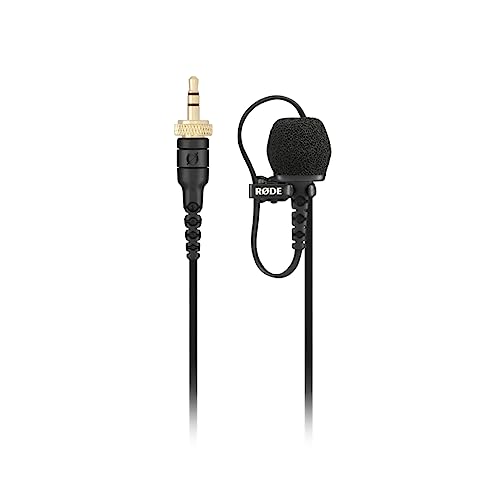
The Lavalier II is a premium lavalier microphone for high-quality audio capture in broadcast, filmmaking and content creation applications.

All-in-One, Universally Compatible - BOYALINK 2 wireless lavalier microphone features a 3-in-1 adapter (Lightning, USB-C, 3.5mm TRS) and integrated storage for quick switching and effortless plug-and-play use. This microphone for iPhone seamlessly connects to Android phone, camera,PC, etc., making it the only mic you need for diverse scenarios.

【650ft Stable 2.4G Wireless Transmission】COMICA BoomX-D2 2.4G wireless lavalier microphone features 2 Transmitters and 1 Receiver, with up to 650ft (200m) transmission range. Optimized for YouTube creators and podcast starter kits, it utilizes auto-frequency hopping to ensure a stable, interference-free connection, even in crowded signal environments.
Case Studies From Notable Productions
Lavalier microphones have truly transformed the productions of some of the most iconic shows. In “Les Misérables,” these mics provide clear vocals, allowing actors to release powerful performances while moving freely. Over in “Hamilton,” they’re cleverly tucked into costumes, blending seamlessly with dance moves and enhancing dialogue clarity. “The Phantom of the Opera” benefits from lavaliers as they help the lead’s voice soar above the orchestra, ensuring audiences catch every note. During “The Lion King,” the mics capture nuanced vocal performances, even amid grand costumes. Meanwhile, “A Chorus Line” showcases the flexibility and concealment of lavalier mics, essential for synchronized dancing without obstructions. Who knew such tiny gadgets could do so much? They’re definitely the unsung heroes of live theater! Much like ultra-thin LED lights that discretely illuminate stage areas, these microphones maintain the visual aesthetics while delivering stellar performance.
Frequently Asked Questions
What Is the Purpose of a Lavalier Mic?
Lavalier mics serve to capture pristine sound quality, blending seamlessly with the wearer’s attire. Their wireless convenience enhances actor mobility, allowing performers to engage dynamically without hindrance, creating enchanting moments that resonate within every performance.
Where Is a Lavalier Microphone Typically Placed on a Presenter for Live Events?
A lavalier microphone is typically placed near the presenter’s collar or lapel, ensuring ideal positions for clear audio capture. Placement techniques prioritize presenter comfort while securing the mic to prevent noise interference during movement.
What Is the 3 to 1 Rule for Microphones?
The 3 to 1 rule dictates that microphone placement strategies require a minimum three-foot distance between microphones for every foot from the sound source, greatly enhancing sound quality and avoiding feedback issues in audio performances.
What Type of Microphone Is Best for Live Performance?
For live performances, dynamic microphones with high sensitivity levels and robust wireless capabilities are ideal. They effectively capture varied sound levels while minimizing background noise, ensuring performers’ voices are clear and well-balanced during the event.