As an Amazon Associate, we earn from qualifying purchases. Some links on this site are affiliate links at no extra cost to you. Our recommendations are based on thorough research and editorial judgment.


The Proximity Effect: Using Distance to Shape Your Voice Tone

The proximity effect is a neat trick in audio recording. It lets you shape your voice tone by adjusting how close you are to the microphone. Staying just 1 inch away can boost low frequencies, giving richness to male voices, while 2-3 inches creates a balanced sound. However, getting too close can muddy your vocals. Choosing the right microphone plays a big role too. Curious about how to make the most of this effect? There’s more to discover!
Key Takeaways
- The proximity effect amplifies low frequencies when singing close (1 inch) to a directional microphone, enhancing depth and warmth in male vocals.
- For balanced tonal quality, maintain a distance of 2-3 inches to capture a clearer frequency mix without excessive bass.
- Moving further away (4-6 inches) can reduce low-end richness, making vocals sound thinner but clearer, especially for sensitive voices.
- Use pop filters to manage plosive sounds and external interference, ensuring clarity while maintaining the desired proximity effect.
- Choose directional microphones like cardioid or ribbon types for effective proximity effects, while testing various options helps find the best fit for your voice.
What Is the Microphone Proximity Effect?
The microphone proximity effect is a fascinating phenomenon that every audio enthusiast should understand. When sound sources get closer to a microphone, particularly directional microphones, low frequencies get a boost. This occurs because the microphone’s diaphragm picks up more low-end energy as the distance decreases, creating a thick, bass-heavy sound. For instance, moving just an inch closer can amplify low frequencies greatly. This effect is particularly noticeable in cardioid or figure-8 microphones, enhancing recording vocals like rich male voices or bass instruments. However, be careful—too much proximity can lead to a muddy sound. Balancing the proximity will help avoid becoming “boomy,” which is not a desirable sound for any recording! The Shure SM7B exemplifies this with its built-in pop filter and air suspension system that helps manage proximity effect while maintaining smooth, natural sound quality.
Microphone Proximity Effect Techniques for Recording Vocals

Capturing the right vocal tone goes hand-in-hand with understanding microphone placement, and that’s where proximity techniques come into play. The proximity effect can amplify low frequencies when a vocalist is a mere inch away from a directional microphone. This creates a fuller voice sound that many find appealing. However, at a distance of 2-3 inches, the microphone diaphragm captures a balanced mix of low, mid, and high frequencies, leading to clearer recordings. If the vocalist steps back to 4-6 inches, they might lose that rich low-end presence—especially noticeable in male voices. A pop filter can help tame those pesky plosive sounds, making it easier to manage external sound interference during recording vocals. Remember, it’s all about finding your ideal distance! For optimal vocal monitoring during recording, consider using noise-attenuating headphones like the Sennheiser HD 280 Pro to accurately hear your proximity adjustments.
Recommended Products

♪【The package contains】♪: Microphone Isolation Shield x 1, Metal Thread Adapter x 2 (Adapt most microphones), Adjustable Stand x 1 and instruction manual. (The height of the isolation shield can be adjusted freely) *NOTE: Microphone is NOT included.

Enhanced Vocal Clarity: Shields recordings from popping sounds while preserving vocal quality

Eliminate Interference - The inner side of the microphone isolation shield is made of high density absorbing foam insulation that can reduce sound reflection, keep your voice and instrument sound clear and improve your studio recording effect. Dimensions: 7.48in tall and 10.8in wide.
When to Use the Microphone Proximity Effect

How does one decide when to harness the microphone proximity effect? This technique shines when recording male voices or deep instruments like bass guitars and kick drums, emphasizing lower frequencies around 300-200 Hz. Moving close to the microphone—just an inch away—boosts the bass, creating a thicker sound. If you’re about 2-3 inches away, you’ll enjoy a balanced tonal quality instead. This effect adds warmth and depth, perfect for certain pieces. However, don’t go crazy; using it for female vocals or acoustic guitars can pump up the bass to an undesirable, boomy level. Keep an eye on your microphone’s polar patterns and placement—it’s all about that air pressure difference! The right distance yields great results. The super-cardioid pattern is particularly effective at minimizing unwanted noise while maintaining precise sound capture during proximity-based recording.
Recommended Products

Product Type: Microphone

Precision supercardioid polar pattern maximizes mains isolation and feedback rejection.
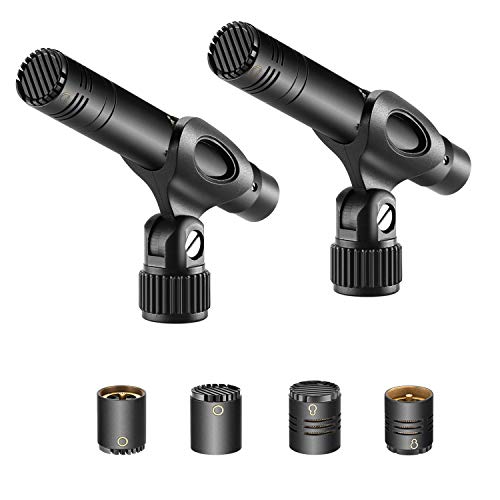
INTERCHANGEABLE CAPSULES THREE DIRECTIOANS: Includes cardioid, omni and super capsules for use in virtually most recording situation. You can get the sound you want, whether its subtle nuances of a studio recording or the dynamic sparkle of a live orchestra. Easy to mount and remove
When Should You Not Use the Proximity Effect?

When does the proximity effect become a hindrance instead of a help? It’s time to avoid it when recording sensitive sounds, like female vocals, which need clarity in mid and high tones. Too much bass can create a muddy, boomy sound. Acoustic guitars often suffer too; if the microphone’s too close, that low frequency can overwhelm the recording. Plus, animated performances may cause inconsistent sounds, with wavering amplitude thanks to pressure variations. To dodge these issues, try standing farther away from the microphone. You can also consider using omnidirectional microphones, which lessen the proximity effect while maintaining a balanced recording. It’s all about keeping your sound crisp without going overboard on those booming bass notes! The RDE NT1 microphone offers exceptional warmth while maintaining ultra-low self-noise, making it ideal for capturing clear vocals without proximity issues.
Which Microphones Should You Use?

Choosing the right microphone can truly make or break a recording. Directional microphones, like cardioid and ribbon types, are fantastic for vocal recordings. They create a nice proximity effect, boosting bass response when positioned close to the performer. Sound engineers love these mics for their tonal outcome. Bi-directional microphones can also be a great choice, capturing sound from both sides while enhancing low frequencies. However, omnidirectional microphones are less effective here, as they pick up sound equally from all directions, resulting in little bass boost. Each microphone type has its perks, so experiment and see what fits your voice best. Just remember, instead of just going for the shiny options, think about the sound they’ll deliver—your future self will thank you! For professional-grade recordings, consider small diaphragm condenser microphones with high SPL handling capabilities up to 155 dB for capturing loud instruments without distortion.
Recommended Products

EXCEPTIONAL VOCAL CLARITY: This vocal microphone has a cardioid pickup pattern that isolates the main sound source while minimizing background noise and feedback, delivering clear and crisp vocal reproduction

Optimized Vocal Reproduction: Crafted for excellent vocal performance, the PM-25S vocal microphone features a specially tuned EQ curve with warm, full-bodied lows and naturally bright highs. The balanced, neutral tone lets your voice sounds exactly as it should—rich, authentic, and expressive. With a wide dynamic range, this studio microphone captures every nuance, preserving the soul and power of your voice

Enhanced Vocal Clarity: Tailored for vocal performances with a frequency response of 50Hz-15kHz, this cardioid dynamic microphone karaoke focuses on clarity and precision, making them perfect for singing and karaoke.
Mastering the Proximity Effect for Enhanced Vocal Clarity
Microphone selection sets the stage, but the magic truly happens when mastering the proximity effect. This phenomenon boosts low frequencies as vocalists move closer to a directional microphone, highlighting depths around 300 Hz. Ideally, staying 2-3 inches away strikes a balance, ensuring richness without muddiness. Careful microphone placement is essential; too far and you risk a thin sound—yikes! For vocal performances seeking intimacy and gravitas, this technique shines, especially in dramatic scenes. And don’t forget that pop filter, which protects vocal clarity by reducing plosives that can become exaggerated up close. With practice, singers can harness the proximity effect for stunning vocal depth. Just remember, it’s all about maintaining that perfect distance—like a good personal bubble! Using a stand with weighted metal bases helps maintain consistent microphone positioning during recording sessions, preventing unwanted movement that could affect your proximity technique.
Frequently Asked Questions
What Is the Proximity Effect in Vocal?
The proximity effect in vocal presence enhances tonal richness by adjusting mic placement during studio recording. Audio engineering techniques utilize voice modulation and sound production principles, adapting to the acoustic environment for ideal outcomes in recordings.
What Are Examples of the Proximity Effect?
Examples of the proximity effect include enhanced vocal warmth, a bass boost in recordings, and variations in tonal quality influenced by microphone placement. Sound engineering and audio mixing in performance contexts can either capitalize on or mitigate these effects.
What Is the Proximity Effect of Microphone Distance?
The proximity effect influences sound quality by altering vocal clarity and bass boost through microphone placement. Effective recording techniques enhance voice modulation while balancing background noise, critically affecting audio mixing in a studio environment.
What Is the Meaning of Proximity Effect?
The proximity effect refers to how distance from a microphone influences vocal dynamics and sound waves, enhancing tonal quality in audio recording. It is critical for sound engineering, affecting microphone placement and voice modulation for peak audio clarity.