As an Amazon Associate, we earn from qualifying purchases. Some links on this site are affiliate links at no extra cost to you. Our recommendations are based on thorough research and editorial judgment.


How to Reduce Wind Noise When Recording Outdoors

To reduce wind noise during outdoor recordings, start by choosing the right microphone. Omnidirectional mics, like lavaliers, are great for cutting wind noise. Pair them with furry windshields or blimps for extra protection. Also, place your mic close to the sound source and shield it from the wind by positioning it behind a person or object. In post-production, high-pass filters can help clear unwanted low frequencies. Want to learn more about tackling wind noise? Keep going!
Key Takeaways
- Choose omnidirectional microphones for better wind noise reduction, especially in lavalier setups.
- Use furry windshields or “dead cats” for stronger winds to effectively minimize wind interference.
- Position the microphone close to the sound source to enhance clarity and reduce wind impact.
- Shield the mic behind talent or structures to block wind from directly hitting the microphone.
- Apply high-pass filters in post-production to cut unwanted low frequencies and improve audio clarity.
Understanding Wind Noise and Its Effects
Wind noise is the sneaky saboteur of outdoor recordings. It creates a low-frequency rumble, making it tough to hear your beautiful sounds. Imagine wind hitting the microphone like an uninvited band member crashing the stage! This buzzing nuisance can really mess with audio quality. Surprisingly, filtering it out with noise reduction tools is often a losing battle due to its persistent nature. Omnidirectional microphones might help a bit more than directional ones, but strong winds of the great outdoors can still prove tricky. For instruments like harps, wind noise becomes even more problematic, potentially altering the tone. Even with advanced editing, removing wind can change the whole character of a recording, leaving you with frustrating results. Professionals often use acoustic foam panels designed specifically for recording studios to create controlled environments that minimize unwanted sound interference.
Choosing the Right Microphone for Outdoor Recording

Selecting the right microphone for outdoor recording can feel like a treasure hunt, but it’s worth it for great audio. When considering microphone types, omnidirectional microphones are often the MVPs, effectively reducing wind noise, especially in lavalier setups. On the flip side, shotgun microphones excel at capturing focused sounds while rejecting side noise, but they might need extra wind protection, like diffusion methods. Don’t forget foam windshields; they offer basic defense against light breezes. If you’re facing stronger winds, a deadcat or furry windshield is your best bet. Ultimately, the chosen microphone should match your shooting environment, so assess the conditions first. Good luck hunting for that perfect mic; your audio will thank you! Just as surge protection ratings help safeguard electronic devices from power spikes, proper wind protection shields your microphone from unwanted noise interference.
Recommended Products

Size: 30×22mm(1.18 x 0.87 inches); Caliber: 0.38 inches

Microphone cover set: 5 pieces foam mic cover, 2.9 x 2.5 inches, caliber size is 1.4 inches, suitable for most standard handheld microphone, not for headset mic
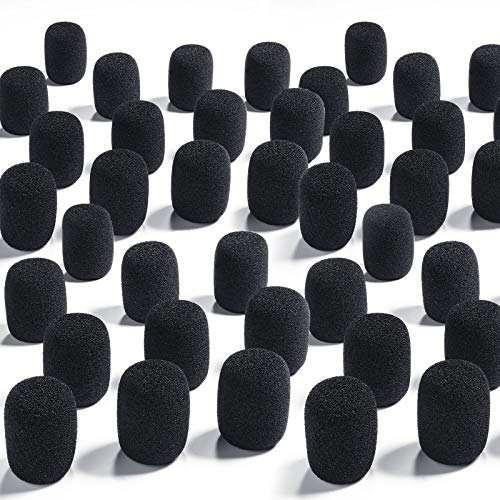
Package Include: you will get 50 pieces of 30 x 22 x 8 mm foam microphone windscreen, enough to meet your different needs, and allow you to share with your family
Utilizing Wind Protection Solutions

When it comes to minimizing wind noise during outdoor recordings, having the right wind protection solutions can make a world of difference. For light breezes, foam windshields work fairly well, offering basic dampening. But when the wind picks up, furry windshields—often called “dead cats”—shine in reducing that pesky noise while keeping the audio crisp. Blimps, which enclose the microphone in a protective shell, are fantastic for gusty situations, providing full coverage. Experimenting with different wind screens and microphone placements is key to finding what best suits your recording needs. And don’t forget: even the best solutions can’t tame a tornado, so pick your locations wisely! It’s all about striking that perfect balance for audio clarity. Regular cleaning and maintenance of your high-density foam materials will help ensure optimal wind noise reduction performance over time.
Recommended Products

Fits: This windscreen furry cover is designed for Rode VideoMic Go on-camera microphone. It also fits other shotgun with diameter around 3-4cm after put on the foam, like NTG 1, NTG2, Bestshoot M11, M14, Neewer 14inch shotgun microphone, Boya BY1000.
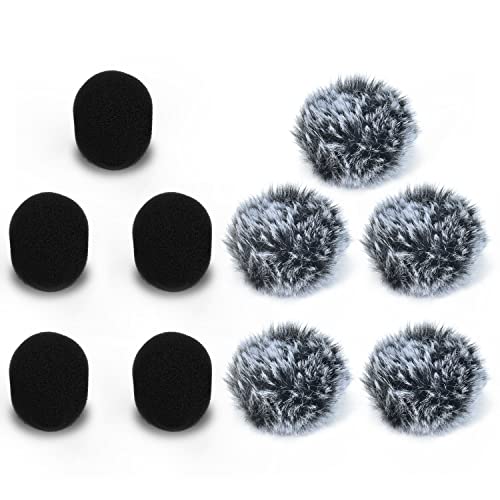
[Package Contents] – Furry Wind Muffs and Foam Cover 5 Packs of each.
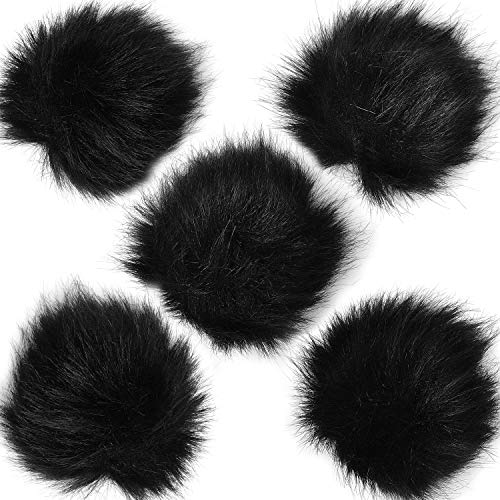
Furry Windscreen Muff for Lavalier: The lapel microphone wind muffs are are suitable for most standard lapel or headset microphones. Help to reduce unpleasant wind noises. Perfect for the indoor, outdoor use.
Effective Microphone Placement Techniques

In the quest for crystal-clear audio, effective microphone placement techniques can make all the difference. For best results, position the mic close to your sound source. Shield it behind the talent’s body or nearby structures to block that pesky wind. A little trick? Clipping lavalier mics inside clothing greatly reduces wind impact while maintaining audio quality. Additionally, adjusting the microphone’s orientation relative to wind direction can help direct sound while minimizing gust interference. Conducting placement tests before shooting helps pinpoint the best spot for clarity. Want to beef up your defenses? Use handheld reflectors or flags as extra barriers against the wind. Remember, solid microphone placement can elevate your outdoor recordings from decent to dynamic—and that’s no joke! Consider using an omnidirectional microphone model like the Movo M1 or KMAG for more versatile sound capture in outdoor environments.
Recommended Products

Specially compatible with Sennheiser Wireless Transmitter EW100 EW300 EW500 SK100 SK300 SK500 EK100 EK300 EK500 EK2000 G1 G2 G3, EWD1, SK D1, ME2, ME3, ME4, XS wireless microphone system with 3.5mm locking jack plug input; Also compatible with Tascam DR-10L, TM-10LB and Zoom F2, F2-BT, F1-LP audio devices with 1/8 inch screw plug interface

Professional-grade wearable microphone designed for use in a wide range of applications including filmmaking, broadcast, streaming and video calls.

Important: Action cameras require official brand 3.5mm audio adapters (sold separately) to connect this microphone. Smartphones require a USB-C / Lightning to 3.5mm adapter to connect this mic. Refer to the compatibility table in images.
Post-Production Strategies for Reducing Wind Noise

Post-production can be a game changer for reducing wind noise in outdoor recordings. By utilizing a high-pass filter in your audio editing software, you can cut low frequencies between 20Hz and 250Hz, keeping speech clear. Specialized noise reduction tools like RX by Izotope are fantastic for tackling wind noise, enhancing your audio’s overall quality. Don’t shy away from using EQ settings, particularly the “Filter Curve EQ,” as it’s perfect for reducing pesky frequencies without ruining your sound. Before diving in, carefully analyze your audio to pinpoint affected areas for better adjustments. And remember, always save your originals, just in case the noise reduction leaves you longing for those lovely, unedited files! After all, some sounds are best left untouched. Using a shock mount system during recording can significantly minimize unwanted vibrations and provide clearer sound quality for post-production work.
Recommended Products

Enhanced 360° Voice Pickup with 4 AI Mics - The EMEET OfficeCore M0 Plus Bluetooth speakerphone features a four-mic array, which enhances voice pickup from any direction. Powered by EMEET’s VoiceIA algorithm upgraded in 2023, the mic can filters out background noise and eliminates echos of the speaker.

![MixPad Free Multitrack Recording Studio and Music Mixing Software [Download]](https://m.media-amazon.com/images/I/71ltIxIuz1L._SL500_.jpg)
Create a mix using audio, music and voice tracks and recordings.
DIY Solutions for Wind Noise Mitigation
Outdoor recordings can sometimes feel like an uphill battle, especially with the relentless wind causing havoc. To reduce wind noise, simple DIY solutions can be a game-changer. Taping a cotton ball lightly over the mic, for instance, disrupts airflow before it hits the microphone. A piece of flannel can act as a budget-friendly windbreaker, softening those pesky gusts. You can also craft a windscreen using small foam pieces or acoustic material to capture clear sound. Feeling extra clever? Placing the mic in a pocket or wrapping it with your clothing offers great protection without sacrificing quality. Testing these setups in different conditions will help guarantee that your recordings remain crisp and clean, even when the wind wants to play. Modern lavalier microphones with AI noise cancellation features can provide an additional layer of protection against unwanted wind interference.
Recommended Products

➤ 【Lavalier Foam Mic Covers Windscreen】- Kicada foam balls is suitable for most lavalier lapel microphone, specially for lav mics diameter between 7.0mm/0.27" to 10.0mm/0.39" around.
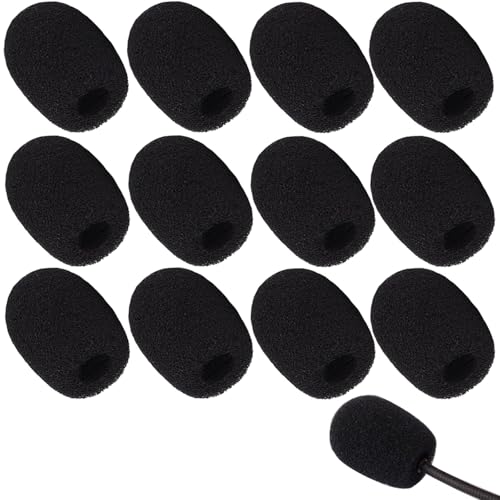
Ample 12 Pack for Daily Replacement: You will receive 12 pieces of high-density microphone covers foam, sufficient quantity to meet your long-term use and replacement needs. Perfect for sharing with family, friend or colleagues, and ideals for both personal and professional use

[🎸 CLEAN & SANITARY] - Lapel microphone windscreen can protect the microphone from dust, humidity, and human saliva, allow you to use the mic in an ease and comfortable mood, prolong the lifespan of the microphone as well as maintain personal hygiene for professionals who share devices among their associates.
Community Insights and Recommendations
Recording audio in windy conditions can feel like battling an invisible foe, but the community has plenty of creative insights and recommendations to help tackle this pesky issue. One standout tip is using an external microphone paired with a furry windscreen, lovingly known as a “dead cat.” This simple addition can make a world of difference by greatly reducing wind interference. Some users also found success recording inside vehicles or using items like cotton balls as budget-friendly wind blockers. For persistent wind noise, software like RX by Izotope is a game changer during post-production. Plus, don’t forget the power of collaboration—discuss strategies with fellow filmmakers to brainstorm and share effective solutions for clearer, cleaner audio recordings outdoors! Professional-grade lavalier microphones with active noise reduction can cut ambient sounds by up to 40 dB, making them excellent tools for outdoor recording.
Frequently Asked Questions
How to Get Rid of Wind Noise in Recording?
To eliminate wind noise in recordings, various windscreen options are available, such as foam windshields for light winds and furry deadcats for stronger gusts. Additionally, strategic microphone placement and high-pass filters enhance audio clarity and reduce unwanted noise.
How to Reduce Wind Noise When Recording Outside Iphone?
To reduce wind noise when recording outside with an iPhone, utilizing wind shields, positioning in sheltered areas, employing lavalier microphones, or implementing DIY solutions can greatly enhance audio clarity and improve overall recording quality.
How to Avoid Outside Noise While Recording?
To avoid outside noise while recording, one can utilize noise barriers such as trees or buildings, employ suitable wind protection equipment, and optimize microphone placement and orientation to minimize disruptions from ambient sounds during the session.
How to Stop a Microphone From Picking up Wind?
Like a fortress against a storm, microphone protection can be achieved through foam windshields and strategic placement. Utilizing high-pass filters and omnidirectional mics further defend against wind noise, ensuring clear and mesmerizing recordings.