As an Amazon Associate, we earn from qualifying purchases. Some links on this site are affiliate links at no extra cost to you. Our recommendations are based on thorough research and editorial judgment.


How to Properly Position a Lavalier Mic for Best Sound Quality

Positioning a lavalier mic correctly is key for great sound. Aim to attach it about 15 cm from your mouth, ideally near your sternum. Clip it to the outer layer of clothing, avoiding skin contact to prevent rustling. Using the mic upside down can cut plosive sounds too. Don’t forget to check your setup often, especially if you’re moving around. If you stick around, you’ll discover even more tips to make your audio stand out.
Key Takeaways
- Position the lavalier mic about 15 cm from the mouth for optimal sound quality and to reduce background noise interference.
- Attach the mic to the outer layer of clothing to avoid rustling sounds and ensure it doesn’t touch the skin.
- Use the Broadcast Loop technique to secure the mic and cable, preventing movement noises during recordings.
- Regularly check and adjust the mic placement to maintain audio clarity, especially before starting a recording.
- For outdoor recordings, utilize windscreens to minimize wind noise and enhance overall audio clarity.
Understanding Lavalier Microphones
When you think about capturing clear audio without the fuss, lavalier microphones might just be your best friend. Also known as lapel mics or body mics, these compact devices amplify sound while being discreetly attached to your clothing. You can either go wired, with a physical connection, or choose wireless for added freedom—just keep your batteries charged! Models with active noise reduction can cut ambient sounds by up to 40 dB, ensuring crystal-clear recordings. For peak performance, it’s vital to attach the lavalier about 15 cm from your mouth, usually around the sternum level. This placement helps minimize pesky background noise. If the mic isn’t positioned right, you might end up with rustling sounds from clothing or a weak audio signal, and nobody wants that! So, take a little time to get it just right.
Ideal Placement Techniques for Lavalier Microphones

While sound quality may not be the first thing on your mind, getting the perfect placement for a lavalier microphone can make a significant difference in your recordings. Ideally, place the mic about 15 cm from the mouth, often on the sternum. This positioning strikes a balance between vocal clarity and background noise reduction.
To guarantee the best sound quality, attach the mic to the outer layer of clothing, avoiding skin contact to reduce rustling. When using a clip, mount it upside down to minimize pesky plosive sounds from strong consonants! Regularly check the microphone’s placement before recording, adjusting as needed. Remember, securing your mic correctly can be the difference between a smooth recording and a distracting audio experience—no pressure! For optimal performance during extended recordings, consider using a DSP voice amplifier system that offers enhanced sound clarity and noise reduction capabilities.
Recommended Products


Lavalier styling -- includes a clip to attach to clothing; permits convenient, hands-free recording

The FlexClip GO is a set of three clips for maximum versatility when mounting the Wireless GO transmitter onto talent or other objects
Tips for Securely Attaching a Lavalier Mic
Securing a lavalier mic properly is essential for clear audio, and there are a few practical methods to make it happen. First, use clips like vampire or alligator clips to attach the mic securely to clothing edges; this keeps it stable while you move and makes it less noticeable. For a stealthy approach, gaffer tape works wonders to mount the mic capsule inside clothing—no one will see it, and it’s less likely to get knocked loose. Additionally, don’t forget to add a strain relief loop below the mic attachment; this helps minimize cable noise and keeps things neat. Finally, regularly check if everything’s secure, especially if you’re planning some dynamic movements. Your sound quality will thank you! Omnidirectional pickup helps capture sound from all angles, so precise positioning becomes less critical while still maintaining excellent audio clarity.
Recommended Products
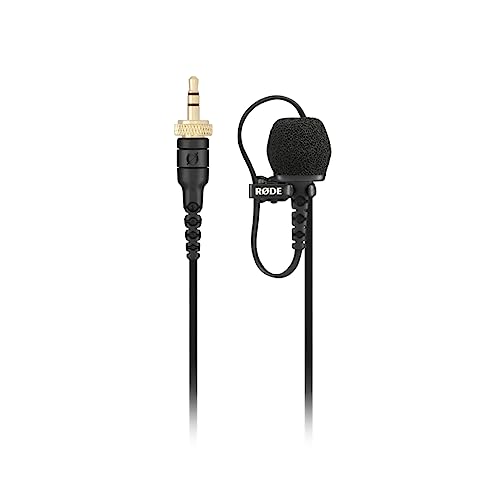
The Lavalier II is a premium lavalier microphone for high-quality audio capture in broadcast, filmmaking and content creation applications.

【Real Plug & Play】Connect directly to your iPhone via the Lightning port—no app or Bluetooth needed. The reinforced MFi Certified lightning plug ensures a stable connection. Note: Not compatible with USB-C port iPhone models or Android devices.

Professional-grade wearable microphone designed for use in a wide range of applications including filmmaking, broadcast, streaming and video calls.
Common Mistakes to Avoid in Lavalier Mic Placement

Have you ever wondered why your audio sounds off, even when your lavalier mic seems perfectly placed? One common mistake is placing a lavalier mic too far from the mouth, which can weaken the signal and let in unwanted noise. Also, failing to secure the mic would lead to unwanted movement sounds—nobody wants a shifting mic ruining their recording. Avoid placing it directly on skin, as that can cause rustling noises. Instead, attach it to clothing. Remember to account for directional sensitivity; positioning the mic in front of jewelry can distort sound. Finally, don’t overlook cable management—tangled cables can create audible noise, taking your audio from polished to poorly produced. Let’s not make those mistakes, shall we? Omnidirectional microphones provide 360-degree sound capture, making them more forgiving when it comes to exact placement angles.
Recommended Products

Easy to use; Retekess T130 translate device for church features auto/manual pairing function; auto pairing allows all receivers to sync to the transmitter's channel in 5 seconds, no need to spend time manually syncing each receiver

MT830cW Omni Condenser Lavalier Mic

Compact dual-channel wireless microphone system with easy operation
Best Practices for Maintaining Audio Quality

Maintaining audio quality is essential for any recording, and it starts with proper lavalier mic placement. Position lavalier mics about 15 cm from the mouth; this close proximity guarantees clear sound without distance-related loss. Don’t forget to test placements over the sternum, avoiding those pesky muffled audio issues caused by clothing layers. Employ the Broadcast Loop technique to secure the mic and cable, keeping everything in place while reducing plosives. Also, regularly monitor your audio levels; adjustments may be necessary with different outfits. If you’re recording outdoors, using windscreens can help minimize wind noise, enhancing overall audio clarity. No one wants their content drowned out by Mother Nature’s blustery commentary! For optimal voice capture in noisy environments, consider using microphones with AI noise cancellation features, which can significantly improve sound quality during recording.
Frequently Asked Questions
What Is the Best Position for a LAV Mic?
The lavalier mic’s destiny lies at the sternum’s center, its clip placement ideally six inches from the mouth, shielding it from clothing interference while ensuring sound isolation for clarity in any auditory landscape.
How to Make a Lavalier Mic Sound Good?
To make a lavalier mic sound good, one should employ audio enhancement techniques, avoid common lavalier mistakes, and utilize effective mic placement tips, ensuring ideal distance and stability for clear, high-quality recordings.
What Is the 3 to 1 Rule of Mic Placement?
What defines ideal microphone distance? The 3 to 1 rule states that mics should be placed three times farther apart than from the sound source, minimizing sound interference and ensuring effective placement angles for clarity in recordings.
Should the LAV Mic Be up or Down?
The lav mic orientation should ideally be upside down, according to sound quality tips. Employing effective mic placement techniques guarantees minimized plosives and enhanced audio clarity, considerably improving overall sound quality during recordings or performances.