As an Amazon Associate, we earn from qualifying purchases. Some links on this site are affiliate links at no extra cost to you. Our recommendations are based on thorough research and editorial judgment.

How Professional Broadcasters Use Lavalier Microphones

Professional broadcasters use lavalier microphones for clear, engaging audio. These tiny mics clip to clothing, capturing sound from about 6-8 inches away—it’s like having a personal sound engineer! They come in wired and wireless options, with wireless giving you freedom to move around. Brands like Rode and Sennheiser offer great choices, with prices varying based on features. Proper placement and cable management can really save the day in noisy environments. Stick around, and you might learn some pro tips!
Key Takeaways
- Professional broadcasters utilize lavalier microphones to capture clear audio closely, ensuring minimal ambient noise for optimal viewer engagement.
- They position microphones 6-8 inches from the speaker’s mouth to maintain audio consistency and vocal presence during movement.
- Discreet designs and effective cable management techniques, like the “broadcast loop,” enhance presentation while reducing handling noise.
- Both wired and wireless lavalier microphones are employed, with each offering distinct advantages, including reliability and mobility respectively.
- For multi-person interviews, proper placement and mixing systems ensure all voices are heard clearly, enhancing overall sound quality.
The Importance of Clear Audio in Broadcasting
When it comes to broadcasting, having clear audio is essential—after all, viewers can’t enjoy a show if they can’t understand what’s being said. Studies reveal that poor audio quality can drive away up to 70% of viewers! For professional broadcasters, achieving clear audio is a top priority. They often rely on lavalier microphones, which capture dialogue closely while minimizing ambient noise. These handy mics require minimal handling, ensuring consistent audio levels, thereby enhancing the overall production value. High-quality lavalier mics can make all the difference, reducing unwanted sounds and elevating the broadcast experience. Modern lavalier microphones utilize AI noise cancellation to significantly improve sound quality in challenging broadcast environments. So, while watching your favorite show, think about the mics that might be working hard behind the scenes—after all, clear audio is the unsung hero of broadcasting!
Discreet Design Enhancing On-Screen Presence
Though broadcasters often juggle many tasks at once, maintaining a polished on-screen presence is essential—and that’s where the discreet design of lavalier microphones shines. These tiny lapel mics can be clipped easily to clothing, ensuring they don’t interfere with mobility or style. Their small size allows for a clean look, leaving the audience focused on the presenter rather than bulky equipment. With an omnidirectional pickup pattern, lavalier microphones capture sound consistently, even if the speaker turns their head. This design also helps minimize pesky background noises, which is imperative for clear broadcasts. Plus, savvy broadcasters use clever techniques like cable management to hide the mics, so the focus remains where it belongs—on them! Modern wireless lavalier options offer impressive transmission range of 400m while maintaining studio-quality sound capture.
Positioning for Optimal Sound Capture
To achieve great sound quality, proper positioning of a lavalier microphone is key. Broadcasters typically clip the lav mic about 20-30 cm from the mouth, which helps in getting ideal sound capture while reducing distortion from breath noise. Positioning the mic at chest level usually allows for consistent audio, even when the speaker moves around, which is a win-win! Professional broadcasters often use noise cancellation features to ensure crystal-clear recordings in various environments.
Many choose omnidirectional microphones since they capture sound evenly from all directions. To avoid unwanted rustling, selecting attachment points on seams or edges of clothing is a smart tactic. And hey, don’t forget about hiding that microphone cable! Techniques like the “broadcast loop” can help keep things tidy and professional on camera. After all, nobody wants a tangled mess stealing the spotlight!
Recommended Products

Bundle Includes: 1 x Sony URX-P41D Dual-Channel Camera-Mount Wireless Receiver (UC14: 470 to 542 MHz)| 2 x Sony UTX-B40 Wireless Bodypack Transmitter with Omni Lavalier Mic (UC14: 470 to 542 MHz) | 2 x Sony ECM-V1BMP Omnidirectional Lavalier Microphone with Locking Sony 3.5mm Connector (Black) | 2 x Mic Clips | 2 x Windscreens | 3 x Belt Clips | Shoemount Adapter for Receiver | 2 x XLR to Locking 3.5mm Output Cables | 3.5mm to Locking 3.5mm Cable | MDR 7506 Professional Stereo Headphones | Gob

Rugged all-in-one wireless system for singers and presenters

Includes a dual channel receiver, 2 bodypack transmitters, and 2 omni-directional lavalier microphones
Wired Vs Wireless Lavalier Microphones

Choosing the right lavalier microphone can make a world of difference in broadcast quality. Wired and wireless options each have their perks. Wired lavalier microphones deliver a reliable connection, making them perfect for those controlled environments where you’re not moving around much. No battery failures here! On the flip side, Wireless Lavalier Microphones let broadcasters roam freely, a boon in dynamic settings. That said, it’s key to manage potential interference with wireless systems. Budget considerations also vary—wired mics are generally more wallet-friendly, while higher-quality wireless ones can add up. Systems by RØDE, for example, offer great sound with smart features. Just like IP65 rated storage provides protection against dust and water, many professional wireless lavalier systems offer weather-resistant features for outdoor broadcasting. Ultimately, it boils down to your broadcast needs and how you’d like to dazzle your audience!
Recommended Products

Sennheiser Pro Audio portable wireless combo set (ew 500 FILM G4-AW+)

【Receivers could hear voice from TWO transmitters simultaneously】EXMAX EXD-101 wireless sound transmission system could help the presenter transmit audio voice messages to an audience at a comfortable level without having to shout. What makes it amazing is that receivers could hear voice messages from two transmitters on the same channel,it means that audience could hear two presenters or tour guides’ talking in each group and the participants receivers quantity is unlimited.

FCC certified; church translation system can quick and easy device pairing; 12-18h working time; 99 channels allow multiple groups to operate simultaneously in the same area with no cross-talk or interference; Note: remove the white sponge when charging
Best Practices for Noisy Environments

When broadcasting in noisy environments, professional broadcasters know that placement is everything. They typically position lavalier microphones 6-8 inches from the speaker’s mouth, prioritizing direct sound capture over that pesky background noise. Using omni-directional microphones can also help, as they capture sound from all around, so even if the speaker wiggles a bit, the audio remains consistent. Plus, some advanced models come with noise-canceling tech, which boosts vocal presence while minimizing distractions—talk about a win! Broadcasters often use the “broadcast loop” technique for neat cable management, which keeps handling noise at bay. Finally, monitoring audio levels in real-time guarantees fabulous audio quality, making it easier to adjust when needed. Who knew mic placement could be so impactful? The addition of windshields and windscreens provides essential protection against unwanted outdoor noise interference during live broadcasts.
Compatibility With Recording Equipment
Compatibility with recording equipment is like finding the perfect puzzle piece—it guarantees everything fits together smoothly. When using lav mics, understanding TRRS connectors is vital. These connectors are designed for devices like smartphones and cameras. If you’re working with DSLRs or audio recorders that need a TRS connection, you must choose compatible wired microphones to avoid connection headaches. Don’t worry; adapters like the SC3 can bridge that gap without compromising sound quality. Additionally, wireless lavalier systems offer freedom from tangled cables, but they demand the right receivers to work their magic. Finally, remember that some high-end lavs require phantom power—like fancy coffee for your audio gear—to perform at their best. Compatibility truly makes all the difference! Models like the BOYA BOYALINK 3 can connect one transmitter to four receivers, offering exceptional flexibility for professional broadcasting setups.
Recommended Products

Digital 2.4GHz & Auto-Pairing: SYNCO G1(A2) Wireless Microphone System features 2.4GHz frequency spectrum and Syncoder technology, which avoids confusing domain of UHF and offers a secure and stable audio system. It supports the automatic connection between TX & RX after power on and easy operations if you need manual pairing

Compact & Portable: This dji mic easily slips into your pocket or bag, making it perfect for travel vlogs, street interviews, or spontaneous content creation on the move

Compact & Portable: This DJI Mic easily slips into your pocket or bag and takes up minimal space, making it perfect for travel vlogs, street interviews, or spontaneous content creation on the go
Managing Microphone Cables Effectively
Maintaining a tidy setup with lavalier microphones can feel like trying to untangle a bowl of spaghetti—frustrating yet necessary! Proper cable management is essential for avoiding tangles and interference. Broadcasters can use drapers tape or gaffer tape to secure microphone cables discreetly, keeping them out of sight and minimizing distractions. The “broadcast loop” technique creates a neat cable profile, allowing some movement without pulling on the mic. Additionally, concealing the microphone cable within clothing or using dedicated clips enhances professionalism during broadcasts. Regularly checking cable integrity guarantees a clean sound. This not only protects against audio distortions caused by movement but also keeps the setup polished. Remember, a messy cable can distract viewers just as much as a messy hairdo! For optimal recording quality, consider using cardioid design microphones which effectively reduce background noise and ensure clearer broadcasts.
Recommended Products

Includes QLXD2/SM58, WL185, QLXD1, QLXD4, microphone clip, 2 zipper bags, 4 AA batteries, power supply, two 1/2 wave Antennas, 2 BNC cables, 2 BNC bulkhead adapters, rack mount kit, and user guide

Simpler to manage; Retekess T130S tour guide microphone and speaker features enhanced one-key controls; activate group mute or shutdown all receivers via transmitter, eliminating manual individual adjustments; ideal for large group coordination

Includes a dual channel receiver, 2 bodypack transmitters, and 2 omni-directional lavalier microphones
Leveraging Technology for Enhanced Audio Quality
Harnessing the power of technology can greatly elevate the audio quality of broadcasts. Professional broadcasters often opt for advanced lavalier microphones, like the 4097 CORE Interview Kit, which excel in noisy environments. These mics guarantee clear audio capture during field productions. The 4080 Miniature Cardioid lavalier is also a favorite, featuring an omnidirectional capsule that enhances speech clarity in studio settings. Wireless lavalier systems add even more flexibility, allowing broadcasters to move freely without compromising sound quality. Plus, with water-resistant designs, like the New 2061 Miniature Microphone, they’re ready to brave unexpected weather. So, whether reporting from a bustling street or inside a quiet studio, technology is the unsung hero behind enhanced audio quality! Modern wireless systems now offer studio-grade recording quality at 48kHz/24-bit, ensuring broadcast-ready audio in any setting.
Multi-Person Interviews and Panel Discussions
When it comes to multi-person interviews and panel discussions, using lavalier microphones can be a total game changer. These discreet mics allow each participant to capture their voice clearly, without bulky equipment hanging around. Strategically placing lav mics 6-8 inches below the speaker’s mouth minimizes background noise and boosts audio quality. That’s vital in crowded environments, right? Plus, using omnidirectional mics means everyone’s voice can be picked up evenly, even if a participant turns away. To guarantee every speaker is heard, broadcasters often mix wired and wireless systems. And let’s not forget audio mixers with individual gain controls; they help balance voices during post-production, making your discussions sound smooth and professional. Goodbye, awkward audio! For optimal performance in dynamic settings, professionals choose microphones with signal-to-noise ratios above 70 dB to ensure exceptional clarity during broadcasts.
Advanced Techniques for Professional Use
To elevate audio quality in professional broadcasting, positioning lavalier microphones becomes an essential skill. Ideally, they should sit on the chest, about 20-30 cm from the mouth, ensuring ideal audio clarity. Many pros prefer omnidirectional lavalier systems for their versatility; these mics capture sound from multiple angles and help dodge noise from head movements during fast-paced interviews. For those tricky, noisy settings, the broadcast loop method is a neat trick to manage visibility and reduce handling noise. Wireless lavalier systems add another layer of freedom, letting broadcasters move dynamically without getting tangled in cables. Of course, keeping an ear on audio levels through headphones is a must—after all, no one wants to miss a vital moment due to an unexpected glitch! Professional broadcasters often choose microphones with signal-to-noise ratio of 78 dB or higher to maintain broadcast-quality standards.
Choosing the Right Brand and Model
Selecting the right lavalier microphone can feel a bit like choosing the perfect pair of shoes; both depend on your specific needs and comfort. Professional broadcasters often favor the Audio-Technica AT803 for its rich audio quality, perfect for interviews. For those needing mobility, the Sennheiser EW Series wireless system offers reliable range, letting you roam freely. If you’re on the go, Rode’s Wireless GO II combines fantastic sound with a compact design. And let’s not forget the DPA 4060 series, known for its transparent sound—essential for high-quality audio in filmmaking. Don’t overlook features like omnidirectional pickup and moisture resistance, which can greatly impact your recording conditions. Choose wisely, and you’ll have the best audio tool for your broadcast needs!
Recommended Products

H10 (542–572 MHz): Operates on H10 (542–572 MHz) UHF frequency band. Designed for use in regions where this band is approved for wireless audio transmission.

H9 (512–542 MHz) UHF FREQUENCY BAND: Operates on the H9 (512–542 MHz) UHF frequency band for dependable wireless audio performance in regions where this spectrum is authorized. Verify local compliance before ordering.
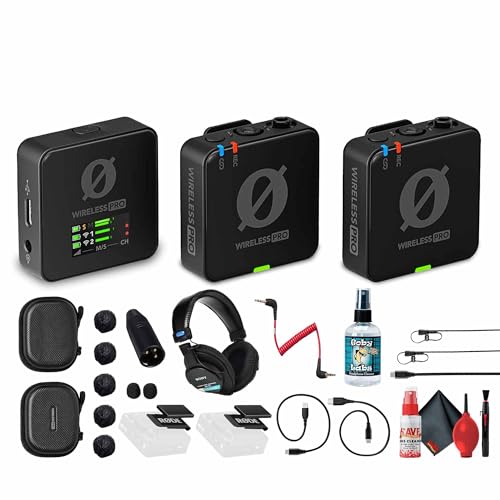
Items Include: RODE Wireless PRO 2-Person Clip-On Wireless Microphone System/Recorder with Lavaliers (2.4 GHz), MDR-7506 Professional Stereo Headphones, 3.5mm TRS Female to XLR Male Adapter, Goby Labs Headphone Cleaner 4 fl oz, Deluxe Cleaning Kit
Real-Life Applications in Broadcast Scenarios
In the fast-paced world of broadcasting, seamless communication is key, and lavalier microphones play a crucial role in making that happen. These small devices offer high-quality audio in dynamic environments, capturing crisp dialogue even with distractions. Their omnidirectional design is a game changer, allowing broadcasters to move freely while maintaining consistent sound levels.
In live sports broadcasting, lavalier microphones are indispensable; they pick up athletes’ comments and commentators’ insights without interrupting the action. Broadcasters often hide these mics beneath clothing, keeping the visual clean and professional—no one wants to see a mic cord ruining their shot! Higher-end models, like the 4080, even enhance speech intelligibility, ensuring every word is crystal clear. It’s all about the details!
Frequently Asked Questions
What Is the 3 to 1 Rule for Microphones?
The 3 to 1 rule for microphones dictates that microphone placement must be three times the distance apart as their distance from sound sources. This enhances sound quality while promoting effective recording techniques and achieving audio balance.
Why Don’t Podcasters Use Lapel Mics?
Podcasters often avoid lapel mics due to audio quality concerns, as these mics struggle in controlled recording environments. The dynamics of host and guest interactions benefit from traditional mics, enhancing engagement and clarity in sound.
Why Do Commentators Use Those Microphones?
Commentators favor lavalier microphones for their sound quality, mobility advantages, and ability to enhance audience engagement. These devices allow freedom of movement while ensuring clear audio, essential for effective communication during dynamic broadcasts and events.
How to Properly Use a Lavalier Microphone?
Like a discreet musician in a grand orchestra, the lavalier mic, strategically placed 20-30 cm from the mouth, demands diligent audio quality tips, meticulous battery management strategies, and careful selection among the best brands for flawless performance.