As an Amazon Associate, we earn from qualifying purchases. Some links on this site are affiliate links at no extra cost to you. Our recommendations are based on thorough research and editorial judgment.


When to Replace Windscreens and Pop Filters

Windscreens and pop filters should be replaced every six to twelve months, depending on usage. Look out for visible tears, funky smells, or dirt spots—they’re all clear signs of wear. When your gear starts making weird pops or wind noise, it’s time for a change. Remember, regular maintenance can help extend their lifespan, too. So, if you want to keep your sound clear and crisp, check out how to clean and care for them!
Key Takeaways
- Replace windscreens and pop filters every 6 to 12 months, or more often for heavy use.
- Look for visible damage, such as tears, holes, or discoloration, indicating the need for replacement.
- Unpleasant odors or funky smells signal contamination and ineffective performance, warranting a replacement.
- Increased wind noise or pops during recordings is a sign that your windscreen or pop filter requires replacement.
- Regularly clean equipment to prolong lifespan, but monitor for wear and replace as needed to maintain sound quality.
Signs Your Windscreen or Pop Filter Needs Replacement
Ever wondered when it’s time to toss out that old windscreen or pop filter? Knowing the signs of wear can save you from poor audio quality. Look for visible damage like tears or holes. If your pop filter starts smelling funky, it’s time for a change—trust us, you don’t want contaminants affecting your sound! A foam windscreen soaked with dirt or moisture also needs replacement to keep unwanted noise at bay. Additionally, if you notice increased pops or wind noise during recordings, that’s a clear signal to swap it out. Frequent exposure to dusty or harsh environments can also shorten their lifespan, so keep an eye out. Don’t wait; your audio deserves better! Most foam windscreen covers are washable and reusable, so try cleaning them thoroughly before replacing.
Recommended Products
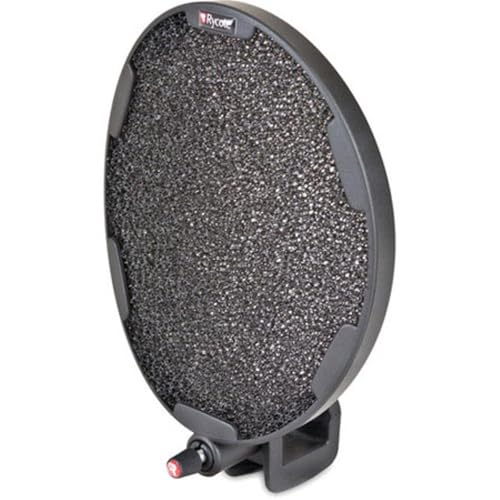
Adjustable Clamp: The microphone pop filter has an adjustable clamp to securely hold microphones in place.

Item Package Dimensions:9.7 cm L X10.2 cm W X46.2 cm H

✔ 𝗦𝗵𝗼𝘄𝗰𝗮𝘀𝗲 𝗬𝗼𝘂𝗿 𝗕𝗿𝗮𝗻𝗱 𝗣𝗿𝗼𝗳𝗲𝘀𝘀𝗶𝗼𝗻𝗮𝗹𝗹𝘆 – Display your full-color custom logo or design for a polished, on-camera appearance. Perfect for interviews, podcasts, YouTube videos, livestreams, and media productions.
Understanding the Impact of Wear and Tear

Worn-out windscreens and pop filters can do more than just look bad—they can completely derail your sound quality. When these accessories show visible wear like tears or holes, they can’t do their job effectively. The foam material in windscreens compresses over time, making it less effective at blocking wind noise and vocal plosives. Pop filters may even lose their acoustic transparency, which means those unwanted sounds sneak in like uninvited guests. A regular replacement cycle of every 6 to 12 months is wise, depending on how often they’re used. By keeping an eye on these factors, you can maintain crystal-clear sound and avoid sounding like you’re recording inside a tin can—or worse, a potato! For optimal maintenance, consider using high-density foam windscreens that offer superior elasticity and can be washed repeatedly to extend their lifespan.
The Importance of Regular Maintenance
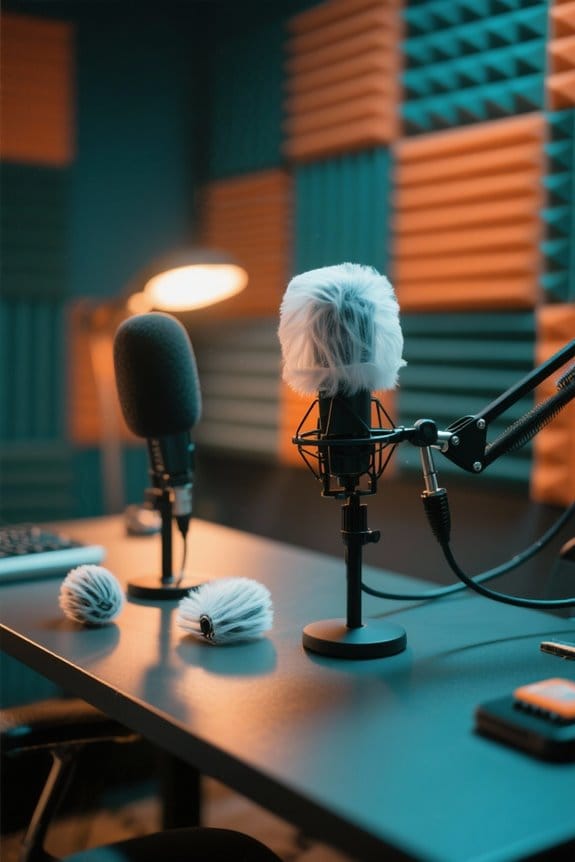
Taking care of windscreens and pop filters is essential for anyone serious about their sound quality. Regular maintenance not only guarantees crisp audio but also prolongs the life of these critical components. Windscreens should be washed occasionally; a gentle soap and water solution does wonders. On the other hand, pop filters often just need a quick wipe-down with a damp cloth. Remember, if either shows signs of wear, like deformities or heavy stains, it’s time for a change. For pros, replacing these gadgets annually or biannually can keep the sound clear and fresh. Store them in a dry, dust-free spot to avoid unnecessary fuss. After all, it’s better to keep things fresh rather than squeaky clean, right? Supercardioid pickup patterns help minimize background noise when using properly maintained windscreens and filters.
Factors That Affect the Lifespan of Your Filter

When it comes to windscreens and pop filters, several factors can influence how long they last. Frequent use can cause wear and tear, reducing that coveted durability. Plus, exposure to moisture—think rain and humidity—can really take a toll, especially outdoors. Not to mention, those pop filters can collect dirt, dust, and oils from your breath, which messes with their performance. A high-quality filter made from durable materials will generally outperform a standard one, so it’s worth investing a bit more upfront. Watch out for signs of degradation like visible damage or loss of elasticity—these scream, “Time for a replacement!” Ensuring peak audio clarity and performance hinges on recognizing these factors. Similar to how Color Rendering Index impacts visual clarity in LED lighting, the condition of your filter directly affects sound quality.
Recommended Products

Small-diaphragm Condenser Cymbal/Hi-hat/Drum Overhead Microphone with Supercardioid Polar Pattern Active Electronics - Matched Pair

Multiple song selection methods available simultaneously via: mobile phones, microphones, smart voice control, and the YouTube app. Access over 10 million licensed songs in our cloud library, updated monthly in real time. Features a 90-degree rotation for versatile positioning to meet diverse needs. Combines cinema and KTV functionality into one multifunctional unit, integrating KTV speakers, amplifiers, song selection systems, microphones, effects processors, and touchscreens into a single soundbar.
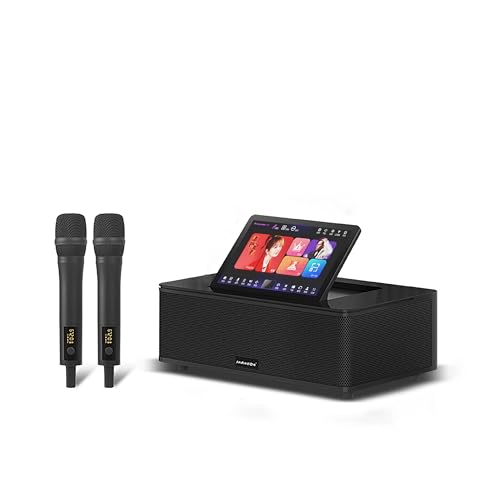
All-in-one design combines powerful speakers, a karaoke player, and a 14.1-inch HD touchscreen, supports YouTube videos, and features a compact, portable design that’s easy to install and take with you.
How to Clean Windscreens and Pop Filters Properly

Cleaning windscreens and pop filters can feel a bit intimidating, especially with all the advice floating around. For foam windscreens, hand wash them gently in lukewarm, soapy water, ensuring to rinse thoroughly and let them air dry. This helps keep them acoustically transparent. Meanwhile, mesh pop filters just need a quick wipe with a damp cloth and mild detergent, but don’t forget to let them dry completely before using again. Avoid machine washing or harsh chemicals, as these can ruin your gear. The cleaning frequency depends on usage: if you’re a frequent user, weekly cleanings work best, while occasional users might do fine with monthly cleanings. Regularly inspecting for wear and tear is equally important for peak performance! Quality windscreens with signal-to-noise ratios of 58 dB or higher deserve extra care to maintain their noise-reduction capabilities.
Recommended Products

BUNDLE INCLUDES Zoom PodTrak P4 Multitrack Recorder, a professional microphone kit with over-ear headphones, windscreen, tabletop mic stand, and XLR cable, a fully adjustable boom arm with built-in XLR cable, a 64GB microSDHC memory card for extended recordings, a pack of premium AA batteries for long-lasting power, and a soft cleaning cloth to keep your gear dust-free.

Designed and engineered to fit the following: 2018-2020 Yamaha Wolverine X4 (Comes with a foam gasket and bulb seal to ensure a strong, secure fit to your machine) | Can be used with most soft or hard tops.

Performance Indicators for Acoustic Properties
Windscreens and pop filters play an essential role in capturing clear audio, so knowing when to replace them is key for maintaining quality sound. Visible wear like tearing or discoloration is a clear sign they’ve lost their acoustic performance edge. Regular users of high-quality pop filters might find them lasting anywhere from six months to several years, but cheap options might fizzle out much sooner. Additionally, foam windscreens can compact or lose effectiveness after exposure to moisture, needing a timely replace. Changes in audio, such as plosive sounds or annoying background noise, are your friends here—they signal when it’s time for new gear. Keeping an ear out can save you from muffled misadventures in sound! Quality microphones like the Shure MV7X dynamic feature built-in shock mounts that help reduce unwanted noise and extend the life of your windscreen accessories.
When to Upgrade Your Equipment
Upgrading your equipment can often feel like a confusing maze, but it doesn’t have to be! If you notice a dip in audio clarity, it might be time to upgrade your equipment. High-quality windscreens and pop filters can dramatically improve your sound quality. If your recording space isn’t soundproof, consider a larger pop filter for better coverage. In tough environments, durable windscreens can enhance longevity and performance. Also, check compatibility; some microphones thrive with specific accessories designed for their sound levels. Finally, if your pop filters or windscreens are showing visible wear, it’s time to replace windscreens. Remember, investing in quality gear pays off with clearer audio and enhances your overall recording experience! Artificial fur windscreens provide superior protection against wind interference during outdoor recording sessions.
Recommended Products

6-string Acoustic-electric Guitar with Sitka Spruce Top
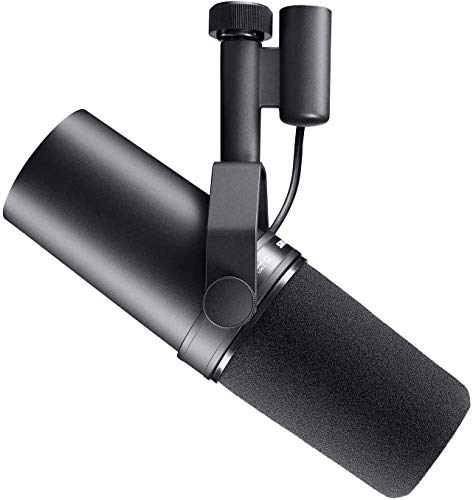
NATURAL VOCALS: Engineered with a dynamic cartridge and wide-range frequency response, the Shure SM7B captures warm, balanced vocals with exceptional clarity, making it ideal for singing, podcasting, voiceover, and professional studio recording

The essence of studio sound: the LCT 440 PURE is a large-diaphragm condenser microphone for highly detailed, nuanced recordings
Common Misconceptions About Filters and Replacement
Many people hold on to misconceptions about pop filters and windscreens that can actually hinder their audio quality. For instance, some believe both can last forever. Nope! Pop filters can indeed last years with care, but windscreens often need more frequent replacement due to wear and moisture exposure. Another common myth is that any foam cover works as a windscreen. In reality, specific designs are tailored for different microphones—don’t risk poor fit! Also, dirt and oils accumulate, making regular cleaning or replacement essential to stay effective. Just remember: when filters lose their shape or become discolored, it’s time for a refresh. Keep your gear in top shape to avoid those pesky plosives—your recordings will thank you! Using high-fidelity designs for your audio connections will ensure optimal sound quality when recording through filters and screens.
Best Practices for Maximizing Filter Longevity
To guarantee your audio gear stays shipshape, regular maintenance of pop filters and windscreens is key. Inspect them often for discoloration or deformation; those are wear signals. It’s smart to replace both every six months—or sooner, if they’re used heavily. Heavy use can lead to early retirements. For cleaning, use mild soap and water, then let them dry completely; this simple step can extend their lifespan. Also, store your filters in a clean, dry place—away from sunshine’s harsh embrace. Consider your usage conditions, too; moisture and contaminants necessitate quicker replacements. Remember, your audio deserves clarity, so treat those pop filters and windscreens right—and they’ll return the favor! Who knew gear could be so needy? Advanced noise cancellation features in modern microphones work best when paired with well-maintained filters and screens.
Recommended Products

Windscreen shields the microphone from wind when taking outdoor measurements

Direct recording to SD cards up to 128GB.Display 2.0-inch full color LCD (320 x 240 pixels)

【Universal Fit for Shotgun Mics up to 325mm】 Designed to accommodate most shotgun microphones with a length of up to 12.75" (325mm) and diameter of 19-22mm. It serves as a perfect protective housing for professional models like Rode NTG-1/NTG-2/NTG-3/NTG-4, MKH 416, and Audio-Technica AT875R, ensuring compatibility with your existing location recording gear
Frequently Asked Questions
What’s the Difference Between a Pop Filter and a Windscreen?
A pop filter typically uses fine mesh materials to reduce plosives indoors, while windscreens come in various types, often foam or furry, to minimize wind noise outdoors, enhancing sound recording benefits in different environments.
How Do I Know if My Windscreen Needs Replacing?
To determine if a windscreen needs replacing, conduct a visual inspection for common damage signs like tears or discoloration. Additionally, consider factors like cost and function; reduced sound quality can indicate it’s time for a replacement.
Do Pop Filters Really Make a Difference?
Pop filters considerably enhance sound quality and recording clarity by minimizing plosive sounds. They also provide microphone protection from moisture and dirt, ensuring a longer lifespan for equipment while maintaining the integrity of vocal recordings.
When Can a Windscreen Not Be Repaired?
A windscreen, like a fragile shield against the elements, cannot be repaired when damage compromises safety. Repair limitations arise with severe wear, degradation from conditions, or loss of shape, signaling the need for replacement.