As an Amazon Associate, we earn from qualifying purchases. Some links on this site are affiliate links at no extra cost to you. Our recommendations are based on thorough research and editorial judgment.


Caring for XLR Cables: Preventing Damage and Signal Loss

Caring for XLR cables is essential for clear audio and to avoid costly damage. Always store cables properly to prevent tangling or wear. Use the over-under technique when coiling them; it really helps maintain their shape. Keep connectors clean and dry to avoid corrosion, which can ruin your sound. Regularly check for any signs of wear. If you think cables are a hassle, remember, they don’t have to be! Stick around to discover more smart tips.
Key Takeaways
- Use the over-under coiling technique to prevent internal twisting and maintain cable integrity when storing XLR cables.
- Keep cables in dry, cool environments to avoid moisture and extreme temperature damage.
- Regularly inspect cables for frayed insulation, loose connectors, and signs of corrosion.
- Store male and female ends separately to prevent tangling and damage during storage.
- Implement ties or organizers to prevent tight coils and kinks, ensuring longevity for your cables.
The Importance of Proper XLR Cable Storage
When it comes to XLR cable storage, one might think, “Why bother?” Well, the truth is, proper storage is essential to keeping your cables in high-quality shape. Neglecting cable storage can lead to tangling, wear and tear, and even signal loss, turning your precious audio equipment into silent observers. Thousands of dollars have been wasted due to poor care! Using the over-under method when coiling your cables helps maintain their internal structure, preventing kinks. Plus, store them in a dry environment, free from humidity or extreme temperatures. These factors can corrode connectors, which isn’t what you want. Ultimately, minding the details of cable storage preserves the high-quality materials that make your audio experiences sound fantastic. Trust us, your ears will thank you! Gold-plated connectors are particularly susceptible to corrosion if not stored properly, compromising their superior conductivity and signal transmission benefits.
Common Cable Wrapping Mistakes

While it may seem trivial, properly wrapping XLR cables can greatly influence their longevity and performance. Many folks make common mistakes, like using the elbow wrap technique, which twists the cables, risking damage to the cable’s internal structure. Wrapping while connected is another no-no, as it stresses the connectors and can lead to signal loss or damage to the cable and equipment. Additionally, connecting male and female ends during storage can result in tangled messes, making handling a headache and causing wear over time. Rushing through cable wrapping often leads to kinks and improper coiling, which can be costly to replace. By acknowledging these mistakes, users can enhance their care and maintenance routine, ensuring XLR cables last much longer. For optimal organization, consider using magnetic mounts to store cables securely when not in use, similar to modern LED lighting solutions.
The Over-Under Technique

Often, the over-under technique is hailed as the best way to store XLR cables. This coiling method alternates between looping the cable over and under, which prevents internal twisting and preserves the cable’s integrity. By using this technique, users can maintain flexibility and avoid ‘cable memory,’ that pesky problem causing annoying kinks and tangles.
To properly execute the over-under technique, grip the cable near the connector with your palm up, ensuring even slack as you create loops. When practiced regularly, this method leads to neatly stored cables, enhancing effective cable management. It makes deployment easier and minimizes damage, proving the value of a handy coiling method. Trust us, your cables will thank you! This storage technique is especially crucial for crystal-clear audio recording when using lavalier microphones in professional setups.
Recommended Products

Versatile Organization: Holds up to 12 cords, cables, ropes, hoses, and more, keeping your space tidy and clutter-free
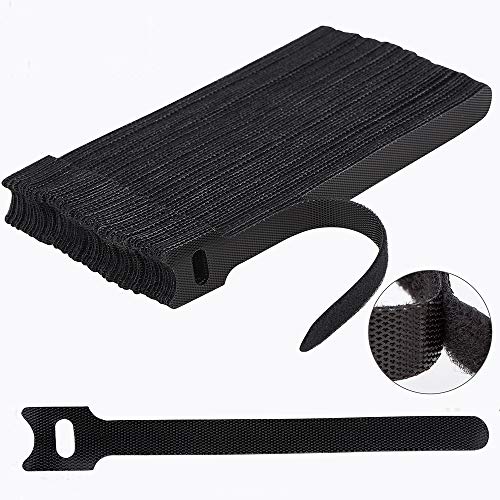
Reusable cable ties are made from premium nylon adhesive materials can be environmentally used multiple times
Recommended Cable Ties

After mastering the over-under technique for cable management, it’s time to contemplate how to keep those neatly coiled XLR cables secure. Velcro cable ties are a fantastic choice—cost-effective, reusable, and completely safe for the cable jackets. For longer cables, heavy-duty extension cord straps with eyelets provide a sturdy solution and can be mounted on walls for easy access. Don’t underestimate pipe cleaners; they’re flexible and adaptable for temporary setups. And in a pinch? Shoelaces work surprisingly well—soft, gentle, and handy! Keeping a stash of extra cable ties on hand is a good practice for smooth cable management and preventing signal loss in your audio equipment. Remember, organized cables are happy cables! Similar to ESHine LED lights, proper cable organization can lead to significantly improved efficiency and longer product lifespan.
Storage Solutions for XLR Cables

Proper storage of XLR cables is essential for their longevity and ideal performance. Storing cables loosely saves them from internal damage and tangling, which is a real win. Dedicated storage bags or pouches work wonders against environmental factors, keeping cables safe during transport. Hanging cables from hooks or using extension cord straps is another handy tip—it helps avoid kinks and retains cable integrity, meaning less risk of signal loss down the road. Also, steer clear of damp areas; moisture can corrode connectors and insulation. Ultimately, labeling cables enhances organization, making it easy to grab the right one when it’s showtime. So, give those cables some TLC, and they’ll reward you with fantastic sound quality! Using high purity copper cables ensures superior sound clarity and minimizes electromagnetic interference during performances.
Recommended Products
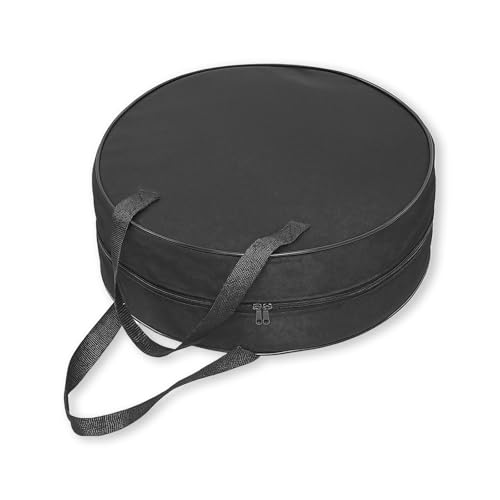
【Keep Cables Organized】: This EV charging jumper cable storage bag is ingeniously designed to prevent cables from tangling or suffering severe impacts during storage and transportation, effectively protecting cables, maintaining their good condition, and extending their service life. It is a thoughtful car cable organizing accessory.

Upgraded design: Dj bag has 5 fixed divisions with sealed bottoms to protect items from dropped, and 3 removable dividers for more storage. Dj cable bag comes with a large padded laptop pocket, microphone pocket, and removable hard bottom pad for protection

Double Layers & Organized: With two main separate layers, electronics travel organizer keeps dj accessories well organized. Plenty of pockets well made for USB Cable Cord, Cellphone, Flash Drive, Wall Charger, SD/TF Card, Hard Drive, Power Bank, Earbuds, Clipper, Mini Camara. Keep all your gears easily found
Essential Inspections and Maintenance
To guarantee XLR cables deliver their best performance, regular inspections and maintenance are vital. Inspect for damaged insulation, check for excessive wear, and verify connectors are free from corrosion. Loose connections? They’re often a sneaky cause of audio problems. For preventive maintenance, clean audio jacks regularly—trust us; it’s worth it! Maintaining cable shielding integrity helps protect against electromagnetic interference, keeping that high-quality sound intact. Documenting visible wear allows for prompt replacements when needed, which is always a good call. Remember, a well-cared-for cable not only sounds better but also lasts longer. So, take the time for these vital inspections; your ears will thank you. After all, no one wants to deal with unexpected signal loss during a critical moment! Consider using cables with gold-plated connectors to enhance durability and maintain optimal signal quality over time.
The Impact of Environmental Factors
Environmental factors play a surprisingly significant role in the performance of XLR cables. High humidity can lead to corrosion, compromising connectors and causing signal loss. Believe it or not, moisture isn’t cable’s best friend! Temperature fluctuations also affect flexibility, potentially leading to internal damage that makes your audio sound less than stellar. Over time, excessive moisture can deteriorate insulation, increasing the risk of shorts and interference. Plus, high humidity may create ground loops, adding unwanted noise to your signal chain. Yikes! Storing your cables in a climate-controlled environment helps minimize these risks, reducing cable damage and extending longevity. Remember, keeping your XLR cables happy means keeping your sound clear and crisp! So, treat them right, and they’ll repay you in quality audio. Using high-density acoustic foam in your recording setup can help protect your XLR cables from environmental factors while reducing unwanted echoes.
Best Practices for Handling Cables
Handling XLR cables with care is essential for maintaining their performance and longevity. Always avoid stepping on or allowing equipment to roll over these essential XLR microphone cables. Physical damage can lead to signal loss and unwanted electromagnetic interference. When storing cables, use the over-under technique for proper wrapping, as this reduces twisting and keeps them intact. Additionally, make certain cables are stored without excessive tension—tight coils and knots are a big no-no! Implement cable management by using ties or organizers; this makes access easier and reduces the risk of tangling. Regularly check for any signs of wear and tear, like damaged insulation, to help maintain peak audio quality for all your sound needs. Using cables with nylon braided covers provides extra protection against fraying and breaking while extending the life of your audio equipment.
Recognizing Signs of Wear and Tear
Caring for XLR cables doesn’t stop at handling; knowing when they’re on the fritz is just as important. Regularly inspect the cable’s insulation for frays or exposed wires. These issues can lead to annoying sound dropouts. Loose connectors? Oh, they’ll give you crackling noises that can drive anyone crazy. Watch out for kinks too—twists can damage the internal quality of your cable. Also, keep an eye on connectors for any signs of corrosion; if they look rusty, it’s time to swap them out. Finally, pay attention to changes in sound. Static isn’t just a Halloween effect; it signals potential problems that could get worse. Being proactive now saves headaches later—your cables will thank you! Just like 48kHz/24-bit audio delivers studio-grade quality, maintaining pristine cables ensures optimal signal transmission.
Shielding and Grounding Considerations
Good sound quality hinges on excellent shielding and grounding in XLR cables. Effective shielding protects against pesky electromagnetic interference (EMI) and radio frequency interference (RFI), ensuring your audio signals stay clean and vibrant. With a grounded design, XLR cables feature three conductors—positive, negative, and ground—which help reduce those unwanted humming or buzzing noises, making your life easier. High-quality cables often boast solid shielding made from materials like copper or foil, warding off external noise sources. Don’t forget that proper grounding of all audio equipment is crucial; it greatly enhances sound quality. Regularly inspecting cables for insulation damage can uncover hidden vulnerabilities in shielding, keeping signal loss at bay. Remember, proactive care leads to a more enjoyable listening experience! Modern interfaces like the Focusrite Scarlett Solo deliver an impressive 120dB dynamic range when paired with properly maintained XLR cables.
Choosing Quality Cables for Longevity
When it comes to selecting XLR cables, making informed choices can greatly boost audio performance. High-quality XLR cables made of oxygen-free copper conductors are essential for reducing signal loss over long distances. Look for cables with effective shielding to minimize electromagnetic interference, which helps guarantee the best sound quality during performances. Also, selecting cables with low capacitance can preserve sound clarity by reducing signal degradation. Don’t forget about the connectors! Robust connectors resist wear and tear, extending the cable’s lifespan. Proper insulation and shielding also play a key role in preventing damage from moisture and environmental factors. So, invest a little more now—it pays off in durability and outstanding audio for years to come!
Educating Others on Cable Care
Selecting high-quality XLR cables is just the beginning. Educating others on proper cable care guarantees these cables perform their best. Start by emphasizing the importance of using balanced cables to reduce interference and background noise — nobody wants a concert sounding like a blender, right? Also, teach the over-under coiling technique for storage, as improper storage can damage internal structures, leading to issues over time.
Regular inspections for wear and corrosion on connectors are key; a little check can save a lot of disappointment! Use cable management solutions like Velcro ties, making cable length and organization simple. Finally, remind everyone that environmental factors, such as humidity, matter too — cool, dry places are the best friends of high-quality cables!
Frequently Asked Questions
How to Shield a Cable From Interference?
To shield a cable from interference, one must embrace effective shielding techniques and select appropriate cable types. Environmental factors, grounding methods, and noise reduction strategies collectively safeguard signal integrity, ensuring the essence of communication remains crystal clear.
How to Manage XLR Cables?
To manage XLR cables effectively, utilize cable organization techniques and storage solutions, practice proper handling, label cables efficiently, use cable ties for neatness, and maintain flexibility by avoiding excessive tension and sharp bends during storage.
How to Tell if XLR Cable Is Going Bad?
Audible noise issues, signal degradation symptoms, and intermittent connection problems often indicate a failing XLR cable. Physical wear signs and connector corrosion indications can also affect performance, necessitating thorough inspection and potential cable performance testing for reliability.
How Long Do XLR Cables Last?
The XLR cable lifespan typically ranges from 5 to 20 years, influenced by cable quality, proper usage, environmental factors, and consistent cable maintenance, ensuring reliable audio performance through ideal connection type and reduced wear.