As an Amazon Associate, we earn from qualifying purchases. Some links on this site are affiliate links at no extra cost to you. Our recommendations are based on thorough research and editorial judgment.


Proper Storage Methods for Wireless Microphone Systems

To store wireless microphone systems properly, start by cleaning with isopropyl alcohol on a microfiber cloth. Then, use a dedicated padded case to keep everything snug and protected. Avoid extreme temperatures and humidity, as they can ruin your mic’s electronics. Check for damage regularly and use silica gel packets to keep moisture at bay. Trust us, a little care goes a long way! Stick around, and you might just discover even more handy tips.
Key Takeaways
- Use dedicated padded cases to protect wireless microphone systems from impact and ensure secure fit during storage.
- Store microphones with moisture-absorbing silica gel packets to prevent humidity damage and corrosion.
- Avoid extreme temperatures and humidity, as they can warp components and affect sound quality.
- Regularly inspect microphones for visible damage and check battery compartments to prevent leakage.
- Organize accessories in storage cases with compartments for easy access and to keep gear neat.
Clean and Protect

Keeping wireless microphones clean and protected is vital for peak performance. To achieve this, use Isopropyl alcohol on a microfiber cloth to wipe away dust and moisture. This method guarantees that the sensitive components remain unharmed. Additionally, employing a pop filter or foam windscreen is important. These tools shield the microphone’s diaphragm from dirt and moisture, preserving its sensitivity over time—no one wants to sound like they’re in a wind tunnel, right?
Don’t forget about preservation; store microphones with moisture-absorbing silica gel packets. These little gems combat humidity that can cause corrosion. Regular checks for damage or loose connections are vital, too. After all, no one likes a mic that crackles like a bag of chips! For optimal audio clarity, consider wireless systems with noise-reducing technology that minimize interference from background sounds.
Recommended Products

Size: 30×22mm(1.18 x 0.87 inches); Caliber: 0.38 inches

Microphone cover set: 5 pieces foam mic cover, 2.9 x 2.5 inches, caliber size is 1.4 inches, suitable for most standard handheld microphone, not for headset mic

PACKAGE INCLUDES: 20 pieces foam mic cover, 2pcs red, 2pcs yellow, 2pcs pink, 2pcs green, 2pcs purple, 2pcs black, 2pcs grey, 2pcs white, 2pcs orange, 2pcs blue
Store in a Suitable Case or Storage Bag

The right storage solution is essential for preserving a wireless microphone’s longevity and performance. Using a dedicated microphone case or padded storage bag provides crucial protection against shocks and impacts. A snug fit minimizes movement and absorbs potential damage during transport. Look for a case with compartments to store additional accessories, like cables and windscreens; it keeps everything organized—and trust me, tangled cords can drive anyone crazy! If a microphone case isn’t available, a clean, dry plastic box can help fend off dust. Consider adding extra padding, like foam, inside to cushion against those “oops” moments when it slips from hands—or, let’s face it, when it ends up wrestling against your backpack. For optimal protection of signal-to-noise ratio quality, which should be at least 65 dB, ensure the storage environment remains free from extreme temperatures and humidity.
Recommended Products

HOLDS 6 MICS: The main compartment features two functional partitions: One side is used for storing 6 mics, and the other side comes with a removable divider that can organize your cords, cables or headset

COMPATIBLE MODEL: The Kmise wireless microphone case is not only for Kmise wireless microphones, but also for the mic which size is ≤1.5* 10.6 inch. PLEASE NOTE: This is a case only and does not include the microphone systems.

Fit for Wireless Microphones Case: Made from 1680D Nylon with a hard, steady shell for superior protection. Keeps your microphone and accessories organized. Compatible with Wireless Two Microphone System ensuring reliable durability.
Avoid Extreme Temperatures and Humidity

Extreme temperatures and humidity are not friends of wireless microphones. These devices thrive in environments that are clean and dry. Storing microphones in high humidity leads to corrosion—definitely not the kind of “sparkle” you’re aiming for! Excessive moisture can also mess with electrical signals, resulting in poor sound quality. Additionally, extreme heat can warp delicate plastic parts, while the cold might wreak havoc on circuitry. To keep things stable, it’s helpful to stash moisture-absorbing packets like silica gel in storage cases. They’ll help guarantee that your microphones remain unharmed. Remember, a consistent environment keeps your gear working longer. Plus, who doesn’t want their equipment to last? Treat your mics nicely, and they’ll be ready to perform when you need them! Just like direct box ratings indicate quality performance requires proper care, maintaining optimal storage conditions will ensure your wireless microphones deliver exceptional sound.
Recommended Products

Practical Design: Comfortable handle for easy portability,Comes with specially mesh pocket for other accessories,Smooth but strong double zipper are easy for opening and closing, giving you a better using experience.

CASEMATIX Rugged Hard Shell Wireless Microphone Bag: Unlike flimsy soft cases for microphones, our mic case features a rugged exterior and soft interior that prevents your valuable handheld mics from being crushed or collecting dirt. Fits FOUR mics

Precision Fit for JBL Wireless Microphone Systems: Wireless microphones case Custom-designed for JBL wireless two microphone system/ for JBL PartyBox Wireless Mic - 2X Digital Wireless Microphones, This microphone storage case can stores 2 mics, receiver, AA batteries, and data cables. Includes 2 detachable microphone foam covers to protect JBL PartyBox wireless mic systems during storage. All-in-one organizer prevents accessory loss, dimension: 11"x6"x3.5"
Regularly Check and Maintain

While it might be tempting to toss wireless microphones into a storage box and forget about them, that approach can lead to trouble down the road. Regularly checking each microphone in your storage system is crucial. Inspect for visible damage, like loose connections or wear. Even if they’re not in use, remember to check the battery compartments and remove batteries to prevent leaks. Moisture is another enemy—look for signs of humidity and consider using silica gel packets. Before each performance, connect the microphones to a system and test them to verify everything’s working. Don’t forget to document these maintenance checks in a log. Tracking your equipment’s health guarantees you catch issues before they become major headaches, saving both time and money. Consider installing motion-sensing lights in your storage area that automatically turn off after 20 seconds of inactivity, making equipment checks more convenient while saving energy.
Recommended Products
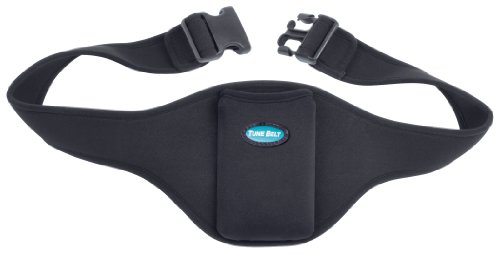
COMFORTABLE & LIGHTWEIGHT - Waist worn vertical design securely holds, stabilizes and protects wireless microphone transmitters and personal, small voice amplifiers. Soft, premium neoprene fabric, so light and comfortable, you’ll forget you have it on.

120W High-Power Indoor and Outdoor Speaker - Provides premium dynamic sound over 4 speakers - 8" woofer, 2" tweeter and two 4" drivers deliver wide-range sound to the front, left and right of the speaker

Compatible Models: Designed specifically for SHURE SLX2, PGX2, and PGXD2 wireless handheld microphones as replacement battery compartment covers
Community Insights and Best Practices

How can a vibrant community enhance wireless microphone storage practices? By sharing inventive ideas, peers in theater groups can inspire effective storage methods. Regular chats with the wardrobe department help maintain microphone belts, ensuring they’re returned quickly after performances. This teamwork leads to better organization overall.
Using visual aids, like labeled drawers, makes it easier for sound technicians to grab gear in a pinch. Plus, sharing images of practical setups in online forums sparks innovation and helps tailor solutions to specific venues. For instance, using shoe organizers attached to mic stands offers an easy access point for transmitters. These community insights encourage a more efficient and creative approach to storage, making performance prep smoother for everyone involved. After all, innovation can come from the unlikeliest of places! Having a dynamic range capacity of at least 106 dB ensures optimal sound quality when microphones are retrieved from storage and put back into service.
Frequently Asked Questions
How Should a Microphone Be Stored?
Microphones should be stored in padded cases with moisture control features. Maintaining proper ventilation and avoiding extreme temperatures guarantees protection from corrosion and degradation, ultimately prolonging the microphone’s lifespan and preserving its functionality.
What Is the 3 to 1 Rule for Microphones?
Like stars in a clear night sky, microphone placement follows the 3 to 1 rule, requiring each mic to be three times farther from others than from sound sources, reducing phase cancellation and enhancing audio clarity.
Why Do People Put Socks Over Their Mics?
People put socks over their mics primarily for sock benefits, such as minimizing wind noise, reducing plosive sounds, protecting against moisture, and prolonging microphone lifespan, all while providing an accessible, discreet solution for performers.
How to Store Dynamic Microphones?
Dynamic microphones require careful storage for proper microphone maintenance. They should be kept in protective cases, in dry environments with silica gel, shielded from extreme temperatures, and regularly inspected for any signs of wear or damage.