As an Amazon Associate, we earn from qualifying purchases. Some links on this site are affiliate links at no extra cost to you. Our recommendations are based on thorough research and editorial judgment.


How to Reduce Echo in Your Recording Room Without Foam

To reduce echo in your recording room without foam, start by adding soft furnishings like rugs and curtains. Heavy curtains and thick rugs absorb sound waves effectively, especially on hard floors. Incorporate upholstered furniture and a few throw pillows for extra sound absorption. Bass traps can manage low frequencies too. And hey, arranging furniture creatively can break up sound paths. Want to know more tricks to get that perfect sound? Stick around for more tips!
Key Takeaways
- Utilize soft furnishings like rugs, carpets, and upholstered furniture to absorb sound and reduce echo effectively.
- Install heavy curtains made from dense materials to dampen unwanted reflections from glass and hard surfaces.
- Arrange upholstered furniture and add pillows or cushions strategically to break up sound reflections and create irregular surfaces.
- Use acoustic panels and bass traps to improve sound absorption, focusing on corners for bass and overall sound clarity.
- Employ heavy sound blankets on walls or windows and optimize furniture layout to further diffuse sound waves and minimize reflections.
Start With Soft Furnishings
When it comes to reducing echo in a recording room, soft furnishings are your best friend. Items like rugs, carpets, and upholstered furniture are great at absorbing sound waves. This helps reduce echo, making your audio quality clearer and crisper. Adding throw pillows and cushions? Even better! Their fabric and padding work together to capture sound energy, minimizing those pesky reflections. Ideally, aim for a room with more soft surfaces than hard ones for maximum effect. Consider wall hangings made from heavy materials, too; they not only beautify your space but also trap sound. A good tip? Place your rugs and cushions in areas where sound waves bounce. Trust us—your recordings will thank you for it! Flat frequency response is essential for maintaining authentic sound character, so strategic placement of soft furnishings helps achieve this natural balance.
Recommended Products

VERSATILE ACRYLIC FELT FABRIC – With its soft and smooth texture, our acrylic felt fabric lets you have a joyful time with your family and friends in making DIY craft projects. With its wide range of vibrant colors, you're all set to get creative!

TOUCH OF ELEGANCE . We know you will love your new modern abstract Rug Marble Carpet 5x7, 8x10, 4x6, 2x7 and 2x3 the moment you take delivery, Guarantee, giving you total peace of mind when making your purchase today.

TOUCH OF ELEGANCE . We know you will love your new modern abstract Rug Marble Carpet 5x7, 8x10, 4x6, 2x7 and 2x3 the moment you take delivery, Guarantee, giving you total peace of mind when making your purchase today.
Incorporate Heavy Curtains

Soft furnishings can work wonders, but don’t overlook the mighty heavy curtain! These thick beauties don’t just look good—they’re fantastic for echo reduction too. Heavy curtains, made from dense materials like velvet or blackout fabric, are effective at absorbing sound waves. They dampen unwanted reflections bouncing off glass and hard walls, making your recordings cleaner and crisper. The thicker the fabric, the better it absorbs lower frequency sounds, which are often the culprits of muddiness. For ideal results, strategically place your curtains to cover windows and even wall sections where needed. This little hack not only boosts your audio quality but can also provide cozy vibes—making you feel like a true recording wizard! Similar to how high-density foam panels improve sound clarity in recording environments, heavy curtains can significantly reduce unwanted echoes and reverberation.
Use Rugs or Carpets

Adding rugs or carpets can be a game changer for any recording room. They effectively absorb sound, especially in spaces with hard floors. If echo is your enemy, think thicker and denser rugs. A plush carpet can dramatically cut down sound reflections, particularly where tall ceilings amplify those pesky echoes. Want an extra boost? Slip a rug pad underneath—it adds comfort and extra sound absorption. Plus, covering more floor area with carpets works wonders for reducing reverberations. And let’s face it, different textures and designs can liven up your space while doing their job. So, when you’re ready to tackle echo, don’t underestimate the power of rugs or carpets—they’re a low-key superhero for your sound quality! While not as specialized as high-density foam panels, rugs provide a more versatile and decorative approach to sound absorption.
Recommended Products

WORK STRONGER, NOT HARDER: Reinforce any room fast with low-profile rolled rubber flooring for garage floors and more, featuring recycled rubber and a huge selection of colors made to withstand serious spaces, home or commercial, indoors and out.
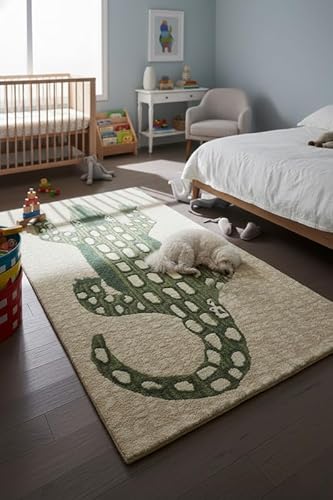
Hand-Tufted Wool: Expertly crafted from 100% wool, providing a soft, plush feel and excellent durability.

【0.79’’ Thicken Floor Mats】Upgrade to 0.79'' thickness! More durable and tougher. A high-density EVA foam base combined with a sturdy EPDM rubber top. This construction can support heavy exercise equipment, ensuring it won’t tear easily due to weight or vigorous movements, guaranteeing long-lasting durability
Add Upholstered Furniture

Rugs and carpets are a great start, but it’s time to level up with upholstered furniture. Couches and armchairs are not just cozy; they work wonders to reduce echo. The fabric and padding in upholstered furniture absorb sound waves efficiently, creating a quieter space. Instead of cold, hard surfaces, these pieces break up sound reflections, leading to clearer recordings.
You can strategically place them to create irregular surfaces, making it harder for sound to bounce around. Full upholstery including draperies enhances sound absorption even more. Plus, layering different textures adds depth to your room’s design while helping with acoustics. Think of it as a sound-softening upgrade—like turning your recording room into a cozy, sound-friendly haven. For optimal echo reduction, aim for furniture with high-density materials similar to professional acoustic panels to maximize sound absorption performance.
Include Pillows and Cushions
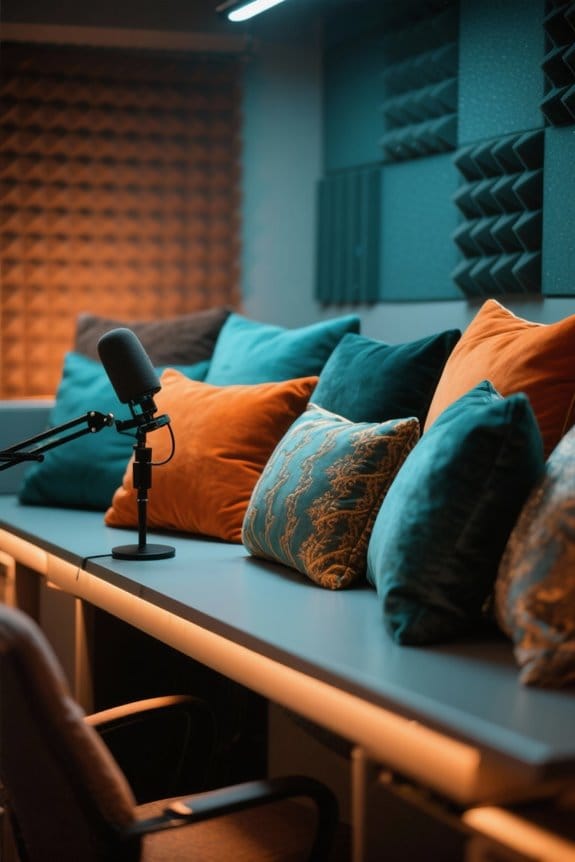
While many might think of pillows as mere comfort items, they actually play an essential role in enhancing sound quality in a recording room. Adding pillows and cushions throughout the space can greatly reduce echo. Their soft surfaces absorb sound waves rather than reflecting them. For instance, you can enhance sound absorption simply by tossing some throw pillows on chairs or even the floor.
Positioning large pillows against hard walls or corners acts as effective sound barriers, softening harsh echoes. Additionally, strategically placed bean bags and cushions create a cozy vibe while breaking up sound paths. Similar to multi-layer construction in acoustic curtains, layering different fabrics, like blankets draped over furniture, further contributes to an acoustically friendly environment, ensuring better recordings without requiring any foam.
Utilize Bookshelves for Sound Diffusion
Bookshelves packed with books and quirky decor can work wonders in a recording room. These strategically placed bookshelves effectively diffuse sound waves, preventing echoes that can ruin recordings. Unlike flat, hard walls, the irregular surfaces of filled shelves scatter sound, which aids in reducing echo. Taller bookshelves are especially beneficial, bending and dispersing those pesky lower frequency sound waves. For the best results, arrange your bookshelves unevenly, stocking them with a mix of books and decorative items. Think of it as acoustic puzzle-solving! Adding heavy or dense items further enhances sound absorption, creating a friendlier environment for recording. Plus, who doesn’t love a good how-do-I-make-my-room-look-good challenge? Bookshelves might just become your new best recording buddies. Proper sound diffusion is crucial when using sensitive equipment like the Coda MB-Stealth preamp, which offers exceptional clarity with its -70 dB noise rating.
Hang Wall Art and Textiles
A variety of wall art and textiles can dramatically enhance a recording room’s acoustics. Soft materials like fabric wall hangings or textured artworks can absorb sound waves effectively. This helps reduce noise and echo in a room, unlike hard surfaces, which reflect sound. Imagine those Crosspoint rugs hung on the wall, adding style and sound dampening magic—two birds, one stone! Framed canvases or mounted textiles introduce irregular surfaces, scattering sound waves to prevent troubling flat reflections. Plus, combining various artworks boosts overall absorption, making recordings sound even better while sprucing up the space. So, consider wall panels and artistic textiles; they might just be the stylish solution you’ve been searching for! Don’t underestimate their impact—your ears will thank you! Similar to acoustic panels with high NRC ratings, textiles can achieve significant noise reduction while maintaining aesthetic appeal.
Consider Acoustic Wall Treatments
When aiming to enhance the acoustics of a recording room, considering acoustic wall treatments is essential. These treatments can include decorative acoustic panels made from materials like fiberglass. They effectively reduce echo by soaking up sound waves, doing double duty by looking good, too. Placing these panels at reflection points greatly enhances sound quality, breaking up those pesky reverberations. Don’t forget the charm of bookshelves filled with books and trinkets—they diffuse sound waves nicely! Pairing these with heavy curtains or sound-absorbing art pieces boosts sound absorption even more. Combining acoustic panels with soft furnishings creates a well-rounded approach to room treatments. Products like JaneTech decorative panels outperform traditional foam solutions while adding elegant visual appeal to your space. So, gear up for a balanced sound environment that makes your recordings shine!
Recommended Products

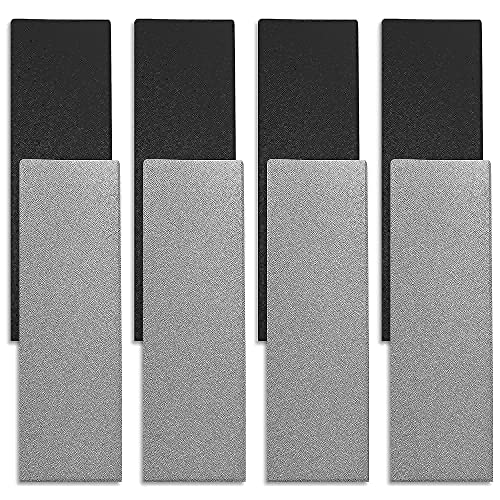
High NRC Rated Core .95 or higher avg.

High NRC Rated Core .95 or higher avg.
Optimize Furniture Arrangement
Creating an ideal furniture arrangement is a fantastic way to enhance the acoustics of a recording room. To optimize space, position bookshelves filled with books along the walls. Those irregular surfaces will help diffuse sound waves, reducing echo. Next, add upholstered furniture like sofas or armchairs to absorb sound, minimizing reflections from hard surfaces. Thick rugs or carpets are a must, especially over any hard flooring, as they help soak up excess noise. Don’t forget about soft textiles! Curtains or wall hangings add more sound-absorbing surfaces. Finally, play around with furniture placement. Creating barriers and irregular surfaces can disrupt sound wave paths and greatly enhance acoustic comfort—without needing to break the bank or bust your back!
Use Bass Traps for Low Frequencies
Imagine walking into your recording room only to be greeted by an overwhelming echo. What can you do? Enter bass traps! These acoustic treatments are your secret weapon against low-frequency sound waves, which often cause that annoying muddiness. By strategically placing bass traps in the corners of your room, you can absorb those troublesome waves where they tend to accumulate. Made from dense materials like polyurethane or fiberglass, they’re actually more effective than foam panels for tackling low frequencies. When installed, bass traps not only improve your sound quality but also help clarify your recordings. For the best results, combine them with other acoustic treatments. Suddenly, that echo might be the least of your worries—who knew innovation could sound this good? While setting up your bass traps, ensure you have durable mic adapters installed to prevent any unwanted vibrations from compromising your sound quality.
Recommended Products

Sound Dampening Kit with 24 Studiofoam Wedge Panels
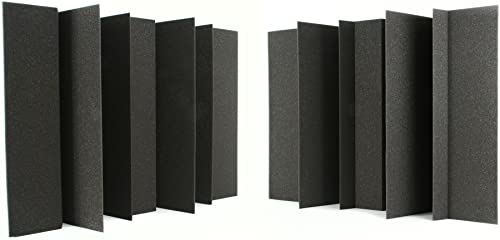
An excellent low frequency absorber

Effective at absorbing down to 75Hz!
Implement Temporary Sound Blankets
Temporary sound blankets can be a game-changer in the quest to reduce echo in recording spaces. These heavy, thick blankets are designed to absorb sound waves effectively and can be easily draped over hard surfaces like walls or windows. By doing this, they minimize reflections and help create a clearer recording environment. Strategically placing sound blankets in corners or at key reflection points can greatly enhance their echo-reducing effectiveness. As a versatile temporary solution, sound blankets are perfect for those recording in apartments or setups where permanent changes aren’t feasible. Plus, they don’t just absorb sound—they add some soundproofing benefits, too! It’s an easy, budget-friendly way to turn any room into a better recording space without breaking the bank. While they may not match the Noise Reduction Coefficient ratings of specialized acoustic foam panels, sound blankets remain an excellent alternative for temporary setups.
Recommended Products

SPECS - Length: 96" | Width: 80" | Material: Cotton and Polyester with Zig-Zag Stitching | Weight: 12 lbs each | Blanket and Thread Color: Black | Use: Sound Absorption, NOT Sound Blocking or Sound Proofing | NRC Rating: 0.35 | Quantity: (60) Sound Blankets

SPECS - Length: 80" | Width: 72" | Material: Cotton and Polyester with Zig-Zag Stitching | Weight: 9 lbs each | Blanket and Thread Color: Black | Use: Sound Absorption, NOT Sound Blocking or Sound Proofing | NRC Rating: 0.35 | Quantity: (72) Sound Blankets

✅[ NOT YOUR TRADITIONAL MLV ] - See, feel and hear the difference. The enhanced flexibility of Soundsulate Flex makes it a versatile material for addressing various soundproofing challenges in different surroundings. This material is so flexible that some may think of it as a fabric.
Frequently Asked Questions
How to Reduce Room Echo in a Recording?
To reduce room echo in a recording, incorporate sound absorbing materials, optimize room layout, and apply dampening techniques. Avoid reflective surfaces, strategically position equipment, and utilize textiles or furniture for effective sound control.
How to Soundproof Without Foam?
Soundproofing without foam can achieve impressive results, with studies showing that thick soundproof curtains can reduce noise by 50%. Combining acoustic panels, floor rugs, and wall hangings provides a thorough strategy for effective sound reduction.
Why Is an Empty Room Full of Echoes?
An empty room full of echoes arises from poor empty space acoustics, where sound reflection causes heightened reverberation. Room dimensions influence sound behavior, while the absence of soft materials greatly impacts sound quality and clarity.
How to Record Audio in Echoey Room?
To record audio in an echoey room, one should apply reverb reduction techniques, utilize microphone placement strategies, manage natural acoustics, and implement portable sound barriers to minimize reflections and enhance sound clarity during recording sessions.


