As an Amazon Associate, we earn from qualifying purchases. Some links on this site are affiliate links at no extra cost to you. Our recommendations are based on thorough research and editorial judgment.


Solving Echo and Reverb Problems in Home Recording Spaces

Echo and reverb issues can really mess up your home recordings, making them sound “cave-like.” To tackle this, invest around $200 in acoustic panels to absorb sound waves. Adding rugs and heavy curtains can also help. Bass traps in corners manage low frequencies effectively. If you’re feeling crafty, try some DIY solutions like blankets for surfaces or cardboard diffusers. It’s easy to turn your space into a sound-friendly zone. Stick around to discover more tips for acoustic success.
Key Takeaways
- Use acoustic panels to absorb sound waves and reduce echo, significantly improving audio clarity in your recording space.
- Incorporate thick rugs or carpets on hard floors to diminish sound reflections, preventing a “cave-like” effect in your recordings.
- Install bass traps in corners to manage low-frequency sounds, enhancing overall sound quality and definition in your recordings.
- Utilize heavy curtains to block external noise and add sound absorption, creating a quieter and more controlled environment.
- Conduct handclap tests to identify echo issues and adjust your room’s layout or acoustic treatments accordingly for optimal results.
Understanding Echo and Reverb in Recording Spaces
When considering home recording, one might think the magic happens solely through their microphone or software, but understanding echo and reverb is just as essential. Echo occurs when sound waves bounce off hard surfaces, complicating clarity. In untreated rooms, you might as well be recording in a cave. Early reflections can muddy audio, making it hard to hear what’s being said. That’s where sound absorption comes in. Using acoustic panels can reduce echo and enhance room acoustics, providing clearer sound. In small spaces, excessive reverberation is a big no-no, as it makes your recordings sound unprofessional. Investing in some panels or soft furnishings for around $200 or less can go a long way in achieving that polished sound you dream of! High-density foam panels are particularly effective at absorbing various frequency ranges, making them ideal for home studio setups.
Effective Sound Absorption Techniques

Achieving great sound in a home recording studio goes beyond selecting the right microphone. Effective sound absorption techniques are essential for managing those pesky sound waves that create echo and reverberation. Acoustic panels are a must; they absorb sound waves efficiently and can blend seamlessly with your studio’s decor. Don’t forget thick rugs or carpets! They help control echoes, especially in high-ceiling rooms. Soft furnishings like couches and upholstered chairs provide extra sound absorption, enhancing audio clarity. For low-frequency control, Bass Traps can be strategically placed in corners. Finally, consider ceiling clouds made from acoustic foam to tackle overhead sound issues. With these techniques, you can turn your home space into a sonic haven that even your cat would approve of! The most effective acoustic panels have NRC ratings of 0.92, delivering superior absorption of both high and low frequencies.
Recommended Products

Includes 4 Pieces per Case | 31.68 Square Ft. Per Case | Case Weight 48 lb |TILE SIZE: 9.5 in. W x 120 in. L x 0.8 in. T

[ Low Noise Level ] Equipped with 2 layers of soundproof laminated glass, and Acoustic Insulation Structure walls 6 layers (Aluminum frame structure, Film-laminated Steel Panel, PET Sound-absorbing Board, Eco-friendly Acoustic Panel, Premium Textured Fabric), the booth achieves 35dB(±5dB) reduction, ensuring a peaceful, private workspace.

【Easy-Assembly Convenience】Ready to build with basic tools, our sound pod is expertly designed and tested in our California facility, ensuring top-notch quality and functionality. Shipped with LTL service for maximum protection and product integrity upon arrival. Chair not included.
Utilizing Acoustic Treatments for Optimal Results

Effective acoustic treatment is essential for anyone aspiring to capture pristine sound in their home recordings. Acoustic panels absorb sound waves, reducing echo considerably, while bass traps focus on low frequencies. Together, they create a harmonious listening environment, but that’s just the start! Adding rugs helps dampen sound in small rooms with hard floors; they’re like cozy carpets for your ears. Sound diffusers, such as filled bookshelves, scatter those pesky sound waves, minimizing bothersome echoes. Heavy curtains serve a dual purpose, blocking out outside noise while enhancing your room’s acoustics. Remember, it’s not about being fancy—just smart choices that improve your sound quality without breaking the bank. So, grab those treatments and say goodbye to unwanted reverb! Products like the Focusound panels feature pyramid groove designs that provide deeper sound absorption for enhanced acoustic clarity.
Recommended Products

Easy-Assembly Convenience: Ready to build with basic tools, our sound pod is expertly designed and tested in our California facility, ensuring top-notch quality and functionality. Shipped with LTL service for maximum protection and product integrity upon arrival. Please note furniture such as sofa and tables are not included.

Spacious Soundproof Design for 5–7 People: Sound proof booth provides a quiet and private workspace with professional-grade acoustic insulation that reduces noise by 25dB ±5, ensuring crystal-clear communication and focus.

High-efficiency loudspeaker
DIY Solutions for Localized Echo Reduction

Sometimes, creating a great recording space means thinking outside the box—literally! To reduce echo in your room, start by covering reflective surfaces. Heavy comforters or blankets can transform into temporary sound-absorbing panels. Thick rugs work wonders too, especially on hard floors—no more sound bouncing around! For those large windows, consider hanging heavy curtains; they’ll absorb unwanted noise and add some style. Plus, DIY diffusers made from cardboard boxes packed with soft materials can scatter harsh sound waves effectively. Want a more permanent solution? Construct acoustic panels using rockwool and wood frames. They’re affordable and look professional. For optimal sound treatment, aim for panels with an NRC rating of 0.9 or higher to maximize noise reduction capabilities. With a little creativity, you can vastly improve your recording space without breaking the bank or losing your mind. Happy recording!
Recommended Products
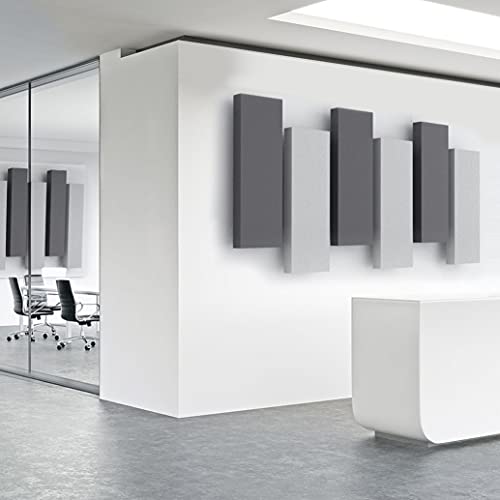
High NRC Rated Core .95 or higher avg.

Use for installation-free acoustic treatment in any room. A portable bass trap, gobo, and general sound absorber.

Experience the next level of sound control with our advanced formula, completely re-engineered for superior durability, tear resistance, and a professional finish. The Stronger, Smarter Sound Barrier.
Testing and Assessing Your Acoustic Environment

How can one truly understand the acoustic environment before diving into recording? Testing starts with a simple handclap to measure how quickly the sound decays, helping to identify echo issues. Next, using a smartphone app or professional equipment can reveal the room’s reverberation time (RT60), a key metric in managing sound quality. Listening from various spots in your room uncovers early reflections, thanks to those pesky surfaces that muddle your recordings. Don’t forget to document your room’s dimensions and layout; understanding room modes will clarify sound wave interactions. Using a high-quality direct box with noise elimination features can significantly reduce unwanted interference when recording acoustic instruments. Armed with this info, you can better plan for effective acoustic treatment. Addressing these factors means less echo and reverb, leading to clearer recordings—and who doesn’t want that?
Frequently Asked Questions
How to Reduce Echo in a Room for Recording?
To reduce echo in a recording room, one can utilize soundproofing materials, install acoustic panels, implement carpet installation, arrange furniture strategically, utilize effective wall treatments, and apply suitable window coverings and ceiling tiles for improved sound control.
How to Make Your House Less Echoey?
To make a house less echoey, one can implement soundproofing techniques such as wall treatments, acoustic panels, soft furnishings, ideal ceiling options, strategic flooring choices, and thoughtful room layouts to absorb sound and minimize reflections.
How to Fix Bad Acoustics in a Room?
To fix bad acoustics in a room, one should use soundproofing materials, install acoustic panels, foam baffles, and bass traps, while incorporating ceiling treatments, floor coverings, and wall hangings to enhance overall sound quality.
How to Fix Echo When Recording?
To fix echo during recording, implement sound absorption techniques such as acoustic panels, strategically arrange furniture, utilize bass traps, and consider microphone placement relative to room size to enhance clarity and reduce unwanted reflections.


