As an Amazon Associate, we earn from qualifying purchases. Some links on this site are affiliate links at no extra cost to you. Our recommendations are based on thorough research and editorial judgment.


Understanding Reflection, Absorption, and Diffusion in Audio Spaces

Understanding reflection, absorption, and diffusion in audio spaces is essential for great sound. Reflection can create muddiness, while absorption, using materials like foam and fiberglass, turns sound waves into heat, reducing echo. On the flip side, diffusion scatters sound, keeping a space lively. Striking the right balance is key; too much absorption can make things dull. Learning where to place these materials, like at first reflection points, can greatly enhance your space. There’s so much more to explore!
Key Takeaways
- Reflection occurs when sound bounces off surfaces, affecting clarity and spatial perception in audio spaces.
- Absorption converts sound energy into heat, reducing reflections and enhancing communication in classrooms and theaters.
- Common absorption materials include acoustic foam, cork, and fiberglass, particularly effective at first reflection points.
- Diffusion scatters sound waves, preventing echoes and creating a balanced auditory environment, essential in studios and theaters.
- A balanced approach combining absorption and diffusion prevents lifeless acoustics and enhances overall sound quality in any space.
Understanding the Foundations of Room Acoustics
When it comes to room acoustics, think of it as the sound’s home environment. The way sound behaves in any space relies heavily on its design. Certain areas, like recording studios, need precise control to avoid muddiness, while classrooms benefit from reduced echo for clearer communication. Achieving this often involves sound absorption, capturing sound waves and turning their energy into heat—perfect for hard surfaces. Meanwhile, sound diffusion scatters reflections, preventing dead spots and keeping a lively acoustic environment. It’s all about balance! Treatment at first reflection points with quality absorption materials enhances clarity, while diffusers on rear walls smooth overall sound. In the world of room acoustics, placement and technique spell the difference between echoey chaos and harmonious beauty. Similar to how smart charging algorithms regulate power delivery to protect batteries, acoustic treatments must be carefully controlled to maintain optimal sound quality.
What Is Sound Absorption?
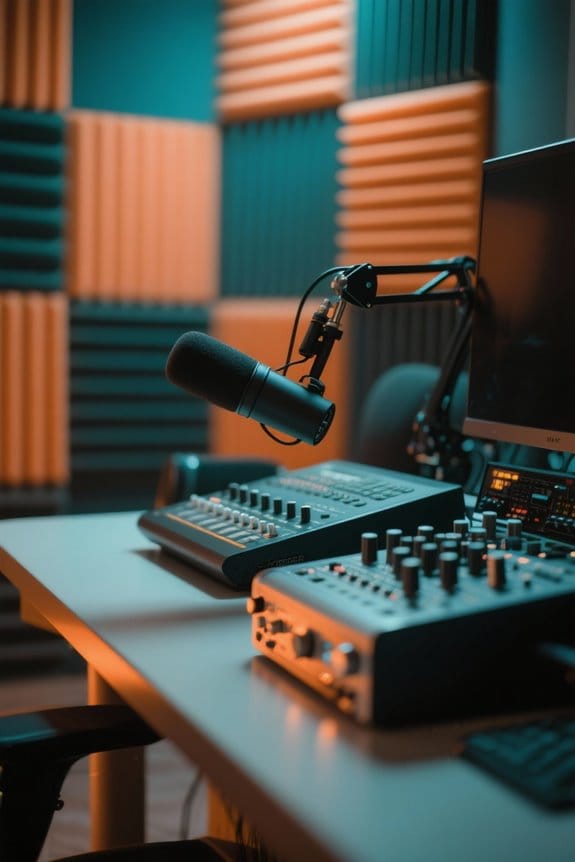
Sound absorption plays a crucial role in shaping how we experience audio within any space. Fundamentally, it involves converting sound wave energy into heat, minimizing sound reflections. This is super important in places like classrooms or theaters, where effective sound absorption is key for clear communication. Common absorptive materials include acoustic foam, cork, and fiberglass. They differ in density and porosity, impacting their energy absorption capabilities. Managing first reflection points with these materials can drastically improve sound clarity and control reverberation. However, over-absorption can create a dull acoustic experience. So, balancing absorption with diffusion is essential for maintaining lively sound quality. Remember, it’s all about crafting an environment where audio feels rich and engaging—no one wants to sound like a robot, right? High-quality acoustic panels with pyramid grooves can achieve NRC ratings of 0.80-0.90, making them particularly effective for home studios and gaming setups.
Recommended Products

Modern Wood Wall Panel Design: These wood panels for wall feature a clean 3D slat structure that enhances interior walls with depth and texture, delivering a refined, professional look for residential and commercial spaces.

DESIGN – 6-panel acrylic enclosure with interlocking panel structure

Acoustic Room Treatment Kit with Eight Control Columns
What Is Sound Diffusion?
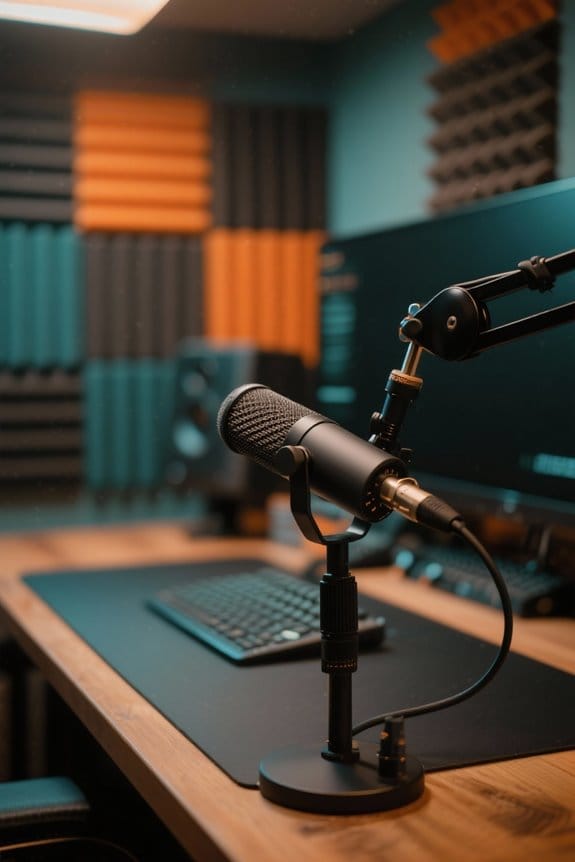
Imagine stepping into a room where the sound just feels right. That’s the magic of sound diffusion! It involves scattering sound reflections in various directions to evenly distribute sound waves throughout a space. Using irregular surfaces, like diffuser panels, this technique breaks up sound vibrations, reducing echoes. It’s especially vital in recording studios and theaters. There are different types of diffusers, such as skyline or quadratic residue diffusers, each tailored for specific acoustic characteristics. Properly placed diffusers can eliminate those pesky dead zones, leading to a balanced listening experience. Unlike absorption, which stifles sound energy, diffusion maintains a lively acoustic environment, ensuring your favorite tunes sound just as they should. Who wouldn’t want that? For optimal performance in most audio spaces, experts recommend panels with a Noise Reduction Coefficient above 0.9 to effectively manage sound reflections.
When to Use Absorption, Diffusion, or Both
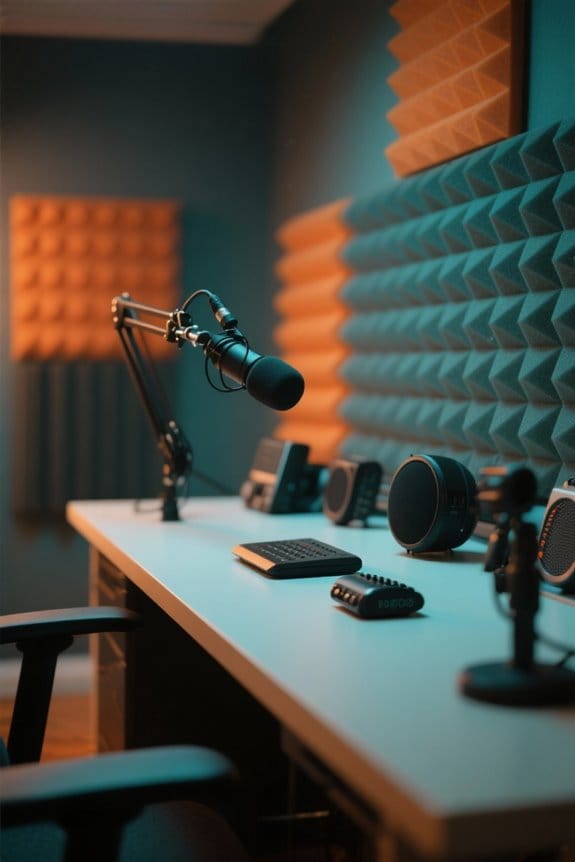
How can one navigate the often tricky world of sound treatment? Understanding when to use absorption and diffusion is key. For clarity, absorption should be applied at first reflection points, which helps reduce confusing sound reflections. Think of acoustic panels as your sound’s best friends, keeping things crisp. On the flip side, diffusion comes into play on rear walls to prevent dull echoes, adding a spacious feel.
However, overdoing absorption can leave a room sounding lifeless—yikes! So, achieving a balance of absorption and diffusion is essential. This hybrid approach creates an inviting listening experience, perfect for recording studios or theaters. By mixing both methods, you can keep your space lively and enjoyable. After all, no one wants to be in a sound graveyard! Much like adjustable brightness levels in ring lights help optimize video quality, proper acoustic treatment enhances overall sound performance in any space.
Recommended Products
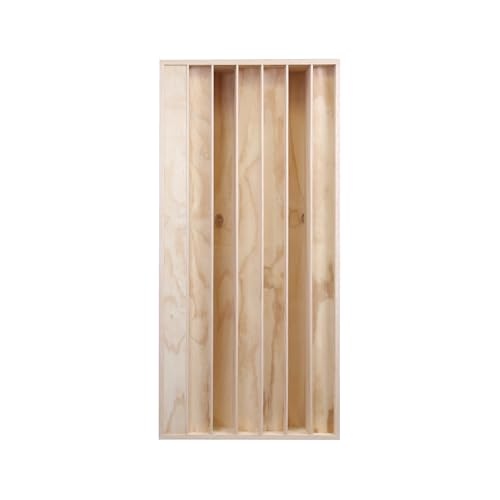
7 well quadratic residue diffuser (QRD) design

HELP REDUCE CEILING NOISE AND UNWANTED REFLECTIONS:Made from dense polyester fiberboard, these hanging acoustic ceiling panels help absorb sound reflections and reduce distracting overhead noise. They are designed to create a more comfortable and controlled environment for work, listening, and media use.

【Sound Processing】- The Helmholtz Acoustic Panel expanded low-frequency absorption, bass absorption lower limit of 100HZ, comparable to ordinary low-frequency traps. Retaining the natural high-frequency, Improvement of sound quality.
Common Mistakes in Acoustic Treatment

While it’s easy to get caught up in the nitty-gritty of sound treatment, many people overlook some common missteps that can hinder their efforts. Focusing only on walls leaves floors and ceilings neglected, sapping the overall sound quality. Relying solely on foam for absorption panels can also be limiting, as they’re not great at tackling low-end frequencies. Over-absorbing a space creates lifeless acoustics, which isn’t ideal in studios or practice rooms where lively sounds shine. Additionally, if diffusers are placed too close together, they lose effectiveness. Finally, ignoring first reflection points? That can skyrocket issues with sound clarity. Avoid these pitfalls, and you’ll be on your way to an acoustically balanced space! High-density polyurethane foam panels are among the most durable options for sound absorption, offering excellent flame retardance and shape retention properties.
Recommended Products

EACH MEGA SPRAY FOAM INSULATION KIT CONTENTS: 216 Pcs Mega Spray Foam Insulation (30 oz. - 850 g, 4968 Board ft/sq.ft), 12 Foam Gun Cleaner (15.52 oz./440 g), 12 Spray Insulation Foam Gun, 72 Pcs Red Nozzle (1-2), 144 Pcs Short 144 Long Foam Gun Nozzle Tips, 72 Pcs Spray Foam Can Nozzles, 12 Protection Suit, 12 Safety Glasses, 72 Pcs Gloves

Acoustic Room Treatment Kit with Eight Control Columns

Acoustic Room Treatment Kit with Eight Control Columns
The Art of Acoustic Design: Striking a Balance
When creating a well-designed acoustic space, a delicate balance is vital. Achieving this balance involves blending absorption and diffusion effectively. Absorption materials are important at first reflection points, helping to reduce early sound reflections. Meanwhile, placing diffusers on rear walls enhances room sounds without drowning them out. Using a mix of both absorbent and diffusive materials prevents overly dead acoustics, keeping sound clear and rich.
You’ll want to think about room characteristics too; different dimensions and shapes greatly affect how sound waves behave. Personalizing acoustic treatment based on your space guarantees a tailored auditory experience. After all, who doesn’t want a room that sounds just right? A smart mix will not only delight your ears, but also make you look acoustically savvy! Many modern panels achieve NRC ratings above 0.9, making them highly effective at minimizing unwanted sound reflections.
Enhancing Sound Quality With Strategic Placement
To improve sound quality, strategic placement of acoustic treatments is essential. Positioning absorptive materials at first reflection points on walls and ceilings can markedly reduce early reflections that muddy your audio clarity. And don’t forget about those pesky low frequencies—bass traps in corners can truly enhance your low-end response.
Adding diffusers on the rear wall helps scatter reflections, preventing dead zones and maintaining a balanced sound. Remember, it’s all about balance! A mix of absorption and diffusion keeps the acoustics alive, not sterile. Regularly measuring your room acoustics with tools like REW (Room EQ Wizard) can help guide your placement decisions. Treating your space well can make your listening position an audio paradise—it’s like a personal sound bubble! Consider installing multi-layer curtains along your walls, as they can improve sound absorption up to 2.5 times while providing additional thermal insulation benefits.
Recommended Products

Sound Dampening Kit with 24 Studiofoam Wedge Panels

High NRC Rated Core .95 or higher avg.

Choosing the Right Solutions for Your Acoustic Needs
Finding the right solutions for your acoustic needs can be a bit like shopping for a new pair of shoes—you want something that fits just right. To enhance speech intelligibility and manage unwanted reflection, you’ll need a mix of absorption and diffusion materials. Acoustic foam and fiberglass are great choices for absorbing sound waves and reducing echo in spaces like classrooms. Meanwhile, QRD diffusers or curved panels help scatter sound waves for a balanced environment, perfect for recording studios. Remember, overdoing either method might leave your room sounding sterile or too dead! So, consider your space’s geometry, use appropriate materials for absorption, and enjoy a custom acoustic treatment that feels just right—no blisters, we promise! For optimal sound absorption, select panels with high Noise Reduction Coefficient ratings to effectively control acoustic properties in your space.
Recommended Products
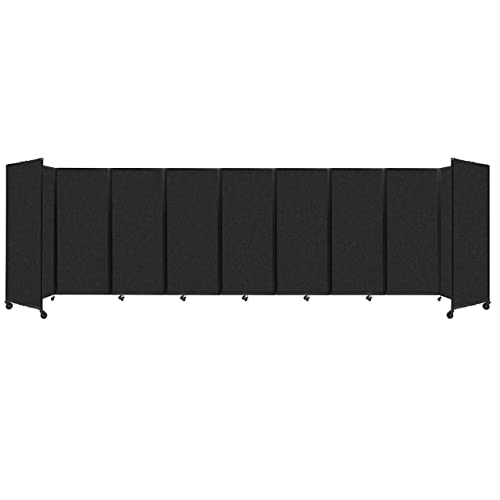
360° ROTATION: The Room Divider 360° is a high-quality portable partition that helps you maximize the use of your facility’s space. Each Room Divider panel rotates 360° for infinite configuration possibilities using a patented 360 degree hinge.

Tested Performance: Up to 26 dB sound reduction; NRC 0.89 absorption; KCL third party test data available; built for sound isolation and acoustic control

12 Piece Kit contains 8 wall panels and 4 ceiling panels, each panel is sized 24" x 48" x 2"
Frequently Asked Questions
How Do Room Dimensions Affect Sound Reflection and Diffusion?
Room dimensions substantially shape sound distribution; for instance, wider spaces can enhance low-frequency response by 20%. Sound waves interact with reflective surfaces, influencing acoustic fields and spatial dynamics, ultimately determining the effectiveness of diffusion and reflection.
Can Furniture Impact Sound Absorption and Diffusion in a Room?
Furniture arrangement notably impacts sound absorption and diffusion. Upholstery types, wall coverings, flooring choices, and strategically placed plants enhance acoustics. Additionally, the incorporation of acoustic panels and thoughtful room layout further optimizes sound characteristics within the space.
What Materials Are Best for Sound Absorption and Diffusion?
To enhance auditory experiences, one might consider deploying acoustic panels, fabric wall coverings, foam tiles, heavy curtains, and bass traps, while managing the interplay of hardwood floors and carpets to create harmonious soundscapes.
How Does Ceiling Height Influence Room Acoustics?
Ceiling height substantially influences room acoustics by affecting sound waves’ behavior, reverberation time, and spatial perception. Higher ceilings enhance music genres requiring clarity, whereas lower heights can dampen height effects, impacting overall acoustic design.
Is It Possible to Over-Dampen a Room With Sound Absorption?
Excessive sound absorption can suffocate a room’s acoustics like a thick fog. Over dampening effects may disrupt the balance in acoustics, exceeding sound absorption limits, ultimately altering reverberation time and undermining the room’s purpose and ideal absorption ratios.


