As an Amazon Associate, we earn from qualifying purchases. Some links on this site are affiliate links at no extra cost to you. Our recommendations are based on thorough research and editorial judgment.


Regular Maintenance Checklist for Podcast Equipment

A regular maintenance checklist for podcast equipment keeps your sound crisp and your gear lasting longer. Start by cleaning your equipment with a 70% Isopropyl solution and lint-free cloth. Inspect cables for signs of wear and securely connect everything. Don’t forget to keep microphones clean, use pop filters, and store them properly. Assess your recording space for better acoustics too. With these tips, you’ll keep your podcast running smoothly. There’s more nifty info ahead!
Key Takeaways
- Clean all equipment regularly using a 70% Isopropyl solution on a lint-free cloth to ensure optimal audio quality.
- Inspect cables and connections monthly for frays or bent connectors to prevent signal loss during recordings.
- Maintain microphones by cleaning with Isopropyl solution and using pop filters and shock mounts for enhanced audio performance.
- Manage your recording environment by assessing acoustics and minimizing external disturbances for clearer sound quality.
- Establish a routine schedule for maintenance tasks to extend equipment lifespan and avoid costly repairs.
Importance of Regular Maintenance for Podcast Equipment

Regular maintenance of podcast equipment is essential for every serious podcaster. Routine upkeep, like regular inspections and timely checks, guarantees peak audio quality. You wouldn’t want your crisp microphone to sound like you’re recording from a tin can, right? Proactive upkeep can prevent costly repairs later on. Keeping a maintenance schedule for your audio gear—not just your microphones—extends their lifespan and enhances sound quality. Think of it as a doctor’s visit for your gear. It may seem tedious, but diligent care prevents unwanted surprises during recording sessions. Establishing good habits, like cleaning your microphones and checking connections, can make a world of difference. If you value your podcast’s future, don’t skimp on maintenance. Your listeners will thank you! High sound quality is crucial for listener engagement and ultimately affects your podcast’s success rate.
Cleaning Your Podcast Equipment
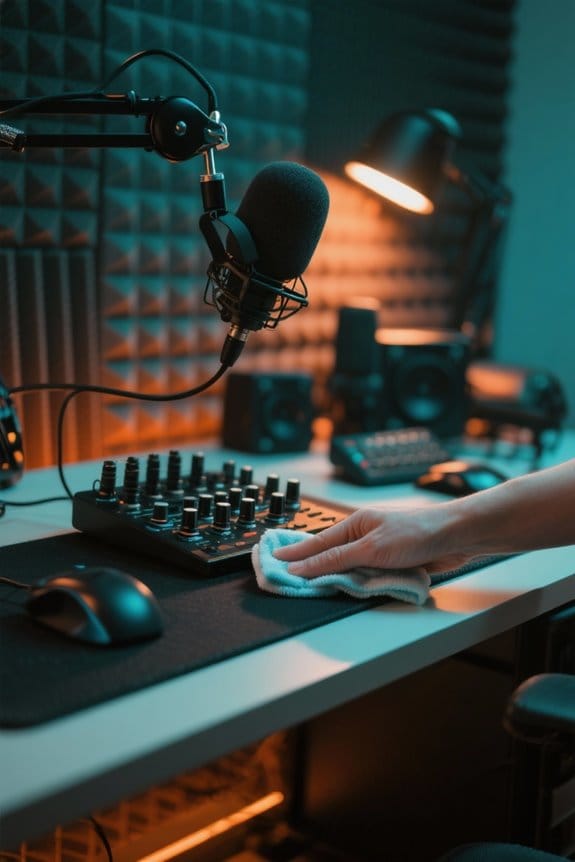
Cleaning podcast equipment is an essential step that should never be overlooked. Dust accumulation can lead to unwanted background noise and even signal loss. To keep your audio interfaces and USB microphones in top shape, follow the maintenance checklist regularly. Use a 70% Isopropyl solution on a lint-free cloth, applying it gently—never spray it directly onto your gear! Before diving in, disconnect all cables to guarantee safety; we all want our devices intact, right? Remember, allowing equipment to reach room temperature before cleaning protects sensitive components. Finally, hygiene and functionality are key, so include routine cleanings for headphones and other gear in your checklist, especially during health crises like COVID-19. Keep that equipment sparkling! Consider using low-cut filters and fur windshields to minimize unwanted noise when recording outdoors with shotgun microphones.
Recommended Products

All-Weather Durability: Elegant cross-weaving design, crafted with breathable handwoven Textilene rope, resistant to rust, fade, crack, and quick-drying.

Each wall includes a mix of PET and frosted acrylic panels that can be arranged to best suit the workspace. PET panels: Absorb 85% of ambient noise (NRC 0.85)

Weather-resistant Textilene Rope: The woven rattan material is resistant to breaking or deforming even under prolonged exposure to sunlight, and it dries quickly.
Inspecting Cables and Connections

After wrapping up the cleaning of podcast equipment, attention should turn to the cables and connections. Regular inspection of audio cables is essential to avoid signal loss and guarantee peak audio quality during recordings. Look for frays, cuts, or bent connectors—it’s easier to fix these issues now than during a live show! Make certain all cables are securely connected to avoid loose connections, which can lead to frustrating audio dropouts.
Use cable management tools like ties or clips to organize cables, preventing tangling and allowing for airflow. Schedule routine checks, ideally every month, to maintain cable integrity. Labeling your cables not only helps with troubleshooting but also makes it easier to identify connection issues before they wreak havoc on your sound. Just like with COB LED technology, consistent maintenance and proper organization can help eliminate dark spots and connectivity problems in your setup.
Recommended Products

【Global Walkie Talkie Unlimited Range】Cellular POC ptt walkie talkies technology for seamless rapid unlimited range coverage —whether 50 miles,100 miles,500 miles,1000 miles or even 10,000 miles apart. The 4g lte SIM card is pre-inserted for you.Just unbox, power on, and enjoy crystal clear instant rapid communication across California to New York, cities, states, and countries. Connectivity relies on robust nationwide cellular towers for reliable coverage. FCC ID: 2BK59-M12

3-Pack includes: 3-Motorola RDU4160d Two-Way Radios, 3-2400 mAh Li-ion Rechargeable Battery, 3-Spring Loaded Belt Clips, 3-10 Hour Plug-in Chargers, 3-Antennas, 3-User's Guide

4-Pack includes: 4-Motorola RDU4160d Two-Way Radios, 4-2400 mAh Li-ion Rechargeable Battery, 4-Spring Loaded Belt Clips, 4-10 Hour Plug-in Chargers, 4-Antennas, 4-User's Guide
Keeping Microphones in Optimal Condition

Maintaining microphones in excellent shape is crucial for any podcaster aiming for high-quality audio. Regular cleaning with a 70% Isopropyl solution on a lint-free cloth keeps germs at bay and boosts hygiene. Adding pop filters and shock mounts can minimize plosives and vibrations, enhancing audio quality while prolonging the microphone’s lifespan. When storing, keep microphones unplugged in a cool, dry spot—dust and moisture are not friends. Inspect cables frequently—replace any damaged cables promptly to avoid audio hiccups. A routine inspection of connections guarantees they’re snug and calibrated, essential for crisp and clear recordings. Remember, preventive maintenance isn’t just smart; it’s your microphone’s best friend—like a trusty sidekick but with better sound! For condenser microphones, using a reliable 48V power supply ensures optimal performance and prevents potential damage from unstable voltage sources.
Recommended Products

2 x C414 XLS Sonically Matched Pair - Engineered for highest linearity and neutral sound for beautifully detailed recording of vocals and any acoustic instrument

COMPLETE 4-PERSON PODCAST STUDIO KIT: Includes Rode RODECaster Pro 2 podcast mixer, 4x Rode PodMic broadcast microphones, 4x PSA1+ professional boom arms, 4x StreamEye Cans50 over-ear headphones, 4x XLR cables, and 32GB SD card. Everything needed to record, stream, or broadcast with up to 4 participants right out of the box.
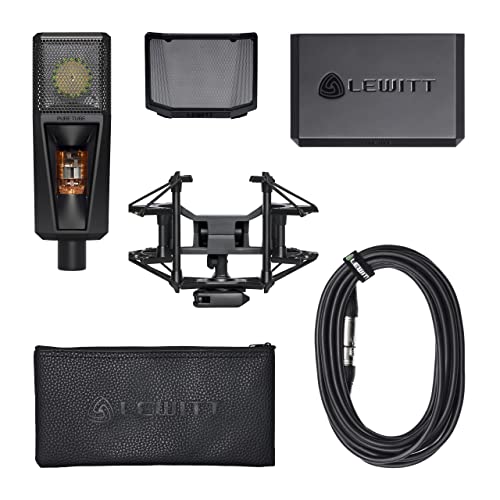
Studio microphone with timeless, premium sound
Managing Your Recording Environment

While the right equipment is essential for producing a stellar podcast, the environment in which recording happens can make or break audio quality. To guarantee AV systems run smoothly, assess the acoustics of your recording space. If you’ve got bare walls and hard floors, sound reflection and reverb can steal clarity. But don’t fret! DIY acoustic treatment is easier than you think. Use curtains, carpets, or even blankets to absorb sound and minimize echo. Consider recording in a closet, too—it’s a game-changer for reducing noise. Also, keep external disturbances at bay; close those windows and turn off fans. Regularly evaluate your setup to maintain audio levels and reliability. A little effort now can prevent issues later, guaranteeing you deliver clear audio every time! For optimal sound absorption, install triple weave fabric curtains that can reduce noise by up to 2.5 times while also blocking out unwanted light.
Recommended Products

SPECS - Length: 96" | Width: 80" | Material: Cotton and Polyester with Zig-Zag Stitching | Weight: 12 lbs each | Blanket and Thread Color: Black | Use: Sound Absorption, NOT Sound Blocking or Sound Proofing | NRC Rating: 0.35 | Quantity: (60) Sound Blankets

SPECS - Length: 80" | Width: 72" | Material: Cotton and Polyester with Zig-Zag Stitching | Weight: 9 lbs each | Blanket and Thread Color: Black | Use: Sound Absorption, NOT Sound Blocking or Sound Proofing | NRC Rating: 0.35 | Quantity: (72) Sound Blankets

✅[ NOT YOUR TRADITIONAL MLV ] - See, feel and hear the difference. The enhanced flexibility of Soundsulate Flex makes it a versatile material for addressing various soundproofing challenges in different surroundings. This material is so flexible that some may think of it as a fabric.
Scheduling Routine Equipment Checks
Successful podcasting doesn’t just end with finding the perfect space or investing in high-quality gear; it also involves consistent upkeep of that gear. To keep equipment in tip-top shape, establishing a maintenance schedule is crucial. Aim for monthly or quarterly checks to inspect, clean, and perform software updates. Use downtime—those blissful moments between recordings—to minimize production disruptions. Create a checklist of best practices, including insights from manufacturers regarding recommended intervals. Document each session you complete, noting any issues or completed tasks. This helps track your gear’s health over time. Engaging with manufacturers may reveal tips to optimize performance, ensuring your podcast sounds as good as it can. After all, nobody wants to sound like they’re recording in a potato! Regular checks of your zero-latency monitoring capabilities ensure you’ll maintain real-time feedback during your recording sessions.
Recommended Products

PODCAST EQUIPMENT BUNDLE FOR 2 - The Movo PodPro-TH includes the dual channel MDX-2 usb audio interface, 2 CastMic XLR Dynamic Microphones, and 2 pairs of studio headphones. The perfect complete podcast kit for content creators on the go.
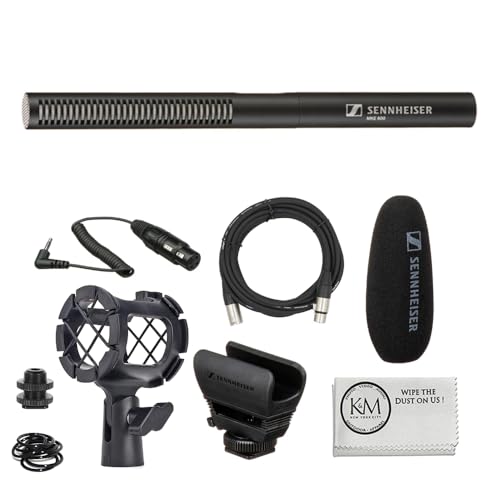
Ideal video camera/camcorder microphone: Able to handle the most demanding filmic challenges

【Immersive Gaming Voice Experience】This all-in-one gaming equipment bundle combines an XLR dynamic microphone and a professional gaming audio mixer, significantly elevating the clarity and stability of your in-game voice output for natural, smooth conversations during team play and live streaming.
Documenting Maintenance Activities
Regularly documenting maintenance activities is a key habit for any podcaster aiming to keep their gear in excellent condition. This means recording dates and details of each task. It’s vital to note issues encountered and their solutions—trust us, you’ll thank yourself when troubleshooting time comes! Keeping updated service records makes for organized documentation and easy reference. Plus, a maintenance schedule promotes proactive infrastructure management, which helps prolong equipment lifespan and boosts system reliability. Storing all maintenance history systematically enhances accountability in equipment care. Think of it as a health check for your gear, ensuring everything runs smoothly. After all, a well-maintained podcast setup is like a well-oiled machine, only less messy and way more fun! Recording in extreme weather conditions should be avoided to ensure the longevity of your podcast equipment.
Frequently Asked Questions
What Is Preventive Maintenance of Audio Visual Equipment?
A stitch in time saves nine; preventive maintenance of audio-visual equipment involves periodic checks, troubleshooting techniques, and equipment calibration. These practices enhance audio quality, extend equipment lifespan, and promote cost efficiency through systematic performance tracking and repair guidelines.
What Are the General Requirements for Equipment Maintenance?
General requirements for equipment maintenance encompass regular inspections, adherence to usage guidelines, implementation of cleaning protocols, strategic equipment storage, execution of software updates, warranty checks, acquisition of replacement parts, and observance of safety precautions and troubleshooting tips.
What Do I Need for Podcast Equipment?
To commence a podcasting adventure, one requires exceptional podcast microphones, robust audio interfaces, effective pop filters, versatile recording software, soundproofing materials, strategic headset selection, mixer types, reliable storage solutions, backup systems, and impeccable cable management.
How Do You Set up a Maintenance Schedule for a Piece of Electronic Equipment?
To set up a maintenance schedule for electronic equipment, one should adopt maintenance tips like checklist creation, determine maintenance frequency, implement preventive strategies, conduct regular inspections, and prioritize performance optimization for cost efficiency and technology upgrades.