As an Amazon Associate, we earn from qualifying purchases. Some links on this site are affiliate links at no extra cost to you. Our recommendations are based on thorough research and editorial judgment.


The Complete Beginner’s Guide to Podcast Microphone Types

When starting a podcast, understanding microphone types can be a game-changer. Dynamic mics are durable and perfect for loud settings, while condenser mics capture rich detail in quieter environments. Ribbon mics offer that vintage sound but work best in controlled spaces. Always consider the polar patterns, like cardioid or omnidirectional, to suit your recording needs. Proper placement—about 6-12 inches from your mouth—helps too. Stick around to discover even more tips to boost your podcast’s audio quality!
Key Takeaways
- Dynamic microphones are robust and ideal for live recordings, minimizing background noise with a cardioid polar pattern.
- Condenser microphones are sensitive, offering a wide frequency response, perfect for studio use but require phantom power.
- USB microphones are user-friendly, providing plug-and-play convenience for beginners without needing extra gear.
- Ribbon microphones deliver vintage sound reproduction with a bidirectional pattern, best for controlled environments, like studios.
- Understanding polar patterns (cardioid, omnidirectional, bidirectional) helps in selecting the right microphone for your podcasting needs.
Understanding Microphone Types
When diving into the world of podcasting, understanding microphone types is absolutely essential. There’s quite the array of options! Dynamic microphones are hardy champs, able to handle high sound pressure levels in loud setups. Meanwhile, condenser microphones shine in sensitivity and frequency range, but don’t forget, they require phantom power—important for clarity! USB microphones? They’re the plug-and-play heroes for beginners, making audio recording a breeze. Also worth noting are ribbon microphones, boasting smooth sound with a bidirectional pickup pattern, best for studio settings. Each type of microphone—whether it’s for capturing ambient sounds or ensuring superior audio quality—serves a distinct purpose. So pick wisely; your listeners will thank you for it! Happy podcasting! The frequency response range of 20Hz to 20kHz in modern microphones ensures crystal-clear audio capture across the entire spectrum of human hearing.
Dynamic Microphones: Features and Uses

Dynamic microphones are a popular choice for many podcasters due to their sturdy build and impressive sound capabilities. Designed to handle high sound pressure levels, these microphones are perfect for live performances or recording loud instruments. Most dynamic microphones feature a cardioid polar pattern, which captures sound primarily from the front while reducing background noise, making them ideal for noisy environments. They don’t require external power, simplifying setup—great news for beginners! Two standout models, the Shure SM58 and Shure SM7B, are celebrated for their reliability and sound quality. Whether it’s podcasting, live interviews, or jamming with a rock band, dynamic microphones offer versatile solutions to meet varying audio needs, ensuring every word is heard loud and clear. For optimal performance during recordings, consider using pop filters to minimize unwanted plosive sounds that can affect audio quality.
Recommended Products

[Authentic Sound Integrity] Experience natural sound reproduction with the podcast microphone with boom arm to preserve the audio sound without distortion. The XLR dynamic microphone boasts a SPL of 130dB, delivering original and consistent recordings. Cardioid pattern reduces ambient noise, ensuring your voice takes center stage, free from distracting background sounds. (For better input volume, record within 2'' to 6'' from the dynamic microphone. )
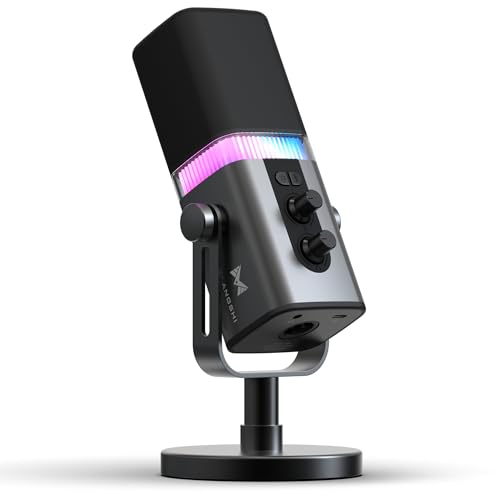
[Studio-Grade 192KHz/32bit Audio]--Unleash Crystal-Clear Sound. This podcast microphone captures every detail with 192KHz/32bit sampling rate and 128dB max SPL, delivering broadcast-quality recordings. Whether you're a podcaster, streamer, or musician, the ultra-wide frequency response and 95dB SNR ensure your voice remains pristine, with zero background noise. Ideal for podcast equipment bundle setups where audio fidelity matters most

Clean Sound Quality:Operated with frequency response of 40Hz-16KHz, the XLR dynamic microphone for podcast delivers balanced audio range and originally detail voice. Supercardioid pattern reduces ambient noise, like hard drives or computer fans. The studio recording microphone ensuring your voice takes center stage, free from distracting background sounds
Condenser Microphones: Capturing Nuance

Although they may not thrive in rowdy environments, condenser microphones shine when it comes to capturing the rich, subtle details in audio. These highly sensitive podcast microphones are ideal for recording vocals, thanks to their wide frequency response, making them perfect for capturing nuances in audio. They work by using a diaphragm close to a backplate that forms a capacitor, requiring phantom power to operate effectively. With various polar patterns, users can choose the best directionality for their needs. However, in loud settings, they may struggle with background noise, proving that while they’re great in studios, they’re not the life of the party. For studio-quality audio, condenser microphones are exceptional choices, embracing every delicate detail you want. Using a cardioid pickup pattern helps minimize unwanted background noise while maintaining crystal-clear vocal recordings.
Recommended Products

USB/XLR Connectivity: The A04 Gen2 is a super versatile condenser microphone for capturing rich. Thanks to its dual XLR & USB connections, it's just at home in the studio as it is plugged straight into audio interface or mixer. And connected to PC or phone for plug-and-play recording. If you want to connect Windows, iOS, PAD, phone by XLR mode, please make sure you have phantom power ready (Note: Not compatible with XBOX)

Cardioid Pick-up: Ccardioid pickup pattern that captures clear and crisp voice in front of the mic and suppresses unwanted background noise. Design for chatting, teleconferencing, recording, podcast
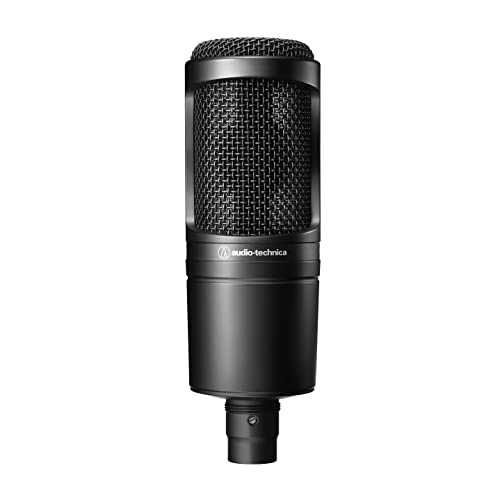
The price/performance standard in side address studio condenser microphone technology
Ribbon Microphones: The Vintage Choice

While many podcast hosts gravitate towards modern condenser microphones, ribbon microphones offer a nostalgic and warm alternative that shouldn’t be overlooked. These unique mics are prized for their smooth sound reproduction and natural sound, making them ideal for vocals and brass instruments in controlled studio environments. Their fragile designs require careful handling; treat them like precious collectibles! With a bidirectional pickup pattern, ribbon microphones capture sound from both front and back, adding versatility. However, they are sensitive to high frequencies and often need a preamp with sufficient gain due to their lower output levels. While they might not be the best choice for every situation, their warm tonal quality still invites a charming touch to recordings, worth exploring for thoughtful podcasters. For optimal performance, users should maintain a signal-to-noise ratio between 60 dB to 80 dB to ensure minimal background interference.
Recommended Products

Studio-Quality Sound for Clear Podcast Recording – The K66 USB podcast microphone delivers studio-quality, broadcast-level audio using a high-performance condenser capsule and cardioid pickup pattern that focuses on your voice while reducing unwanted background noise. Designed as a reliable microphone for PC, it features a wide 40Hz–18kHz frequency response and a 46kHz sampling rate to reproduce rich lows, smooth mids, and clear highs for natural, detailed vocals. With –45dB ±3dB sensitivity, it captures balanced sound without distortion during expressive speaking. Ideal for podcasting, voice-over, online classes, meetings, and professional content creation.

[Natural Audio Clarity] Operated with frequency response of 50Hz-16KHz, the podcasting XLR mic delivers balanced audio range, likely to resonate with your audience. Directional cardioid dynamic microphone corded will not exaggerate your voice, while rejects unwanted off-axis noise for vocal originality and intelligibility during your PS5 gaming streaming video recording. (Tips: Keep the top of end-addressing XLR dynamic microphone AM8 facing audio source, and suggested recording range is 2 to 6 in.)

Ribbon Microphone with Figure-8 Polar Pattern
Microphone Polar Patterns Explained
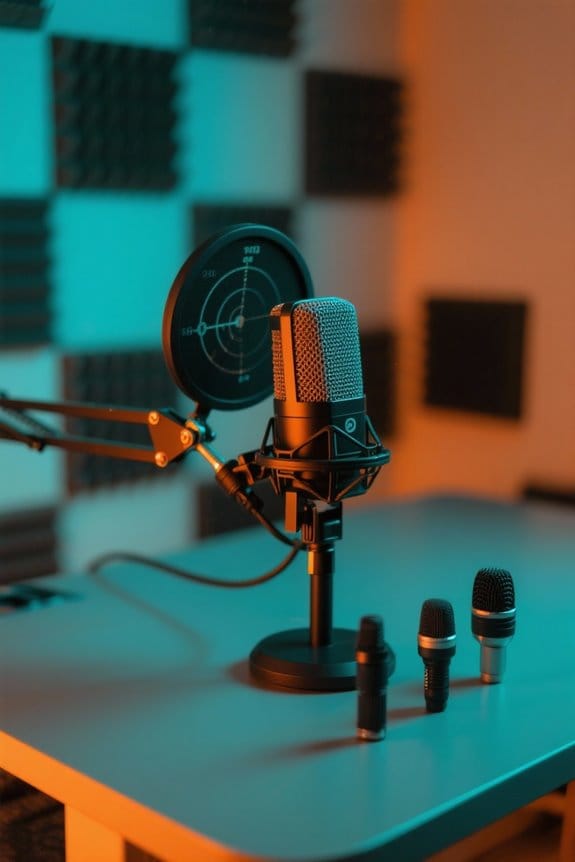
Ribbon microphones, with their vintage charm and warm tones, remind podcasters of the rich history behind sound recording. Microphone polar patterns define how well these devices capture sound. The cardioid microphone focuses on audio from the front, minimizing pesky background noise, perfect for engaging interviews and lively podcasts. On the other hand, omnidirectional microphones capture sound equally from all directions, which is great for group discussions or capturing ambient noise. Meanwhile, bidirectional microphones, or Figure-8 models, excel at picking up sound from the front and back—ideal for two-speaker interviews. Understanding these polar patterns can dramatically enhance sound quality, isolating desired sound while keeping unwanted noise at bay, thereby improving the overall recording environment for a more professional audio experience. Modern lavalier microphones offer noise reduction capabilities of up to -30dB, ensuring crystal-clear audio during mobile recordings.
Selecting the Right Microphone for Your Podcast
What’s the best microphone for your podcasting journey? Choosing the right mic depends on your recording environment. Dynamic mics work wonders in noisy settings, thanks to their cardioid polar pattern, while condenser mics shine in quiet studios, capturing nuanced audio. For beginners, USB microphones are a plug-and-play favorite—no extra gear needed! If you’re aiming for pro audio quality, consider XLR microphones, great for professional setups but often pricier. Keep an eye on your budget; dynamic and USB options are typically more affordable. Also, don’t forget a pop filter—your listeners will thank you! Research reviews to find a mic balancing durability, audio quality, and ease of use. Happy podcasting! The TONOR TC-777 microphone offers exceptional compatibility with Windows, MAC, and gaming consoles while maintaining crystal-clear voice capture.
Recommended Products

Pro Sound Chipset 192kHz/24Bit: This Condenser Microphone has been designed with professional sound chipset, which allows the USB microphone to hold high resolution sampling rate. Smooth, flat frequency response, Extended frequency response is excellent for studio, speech and voice-over. Performed perfectly in reproducing sound, high quality mic ensures your exquisite sound reproduces on the internet

【Original Sound Reproduction & Intelligent Noise Reduction】 The omnidirectional USB microphone with a CCS3.0 smart chip, which can capture your voice 360 degrees, automatically and effectively reduce background noise, making your voice more real, smooth, clear, and loud.

[Clean Sound Quality] Featured with durability and adaptability, the metal-build podcast microphone, with SPL of 130dB, will not distort the audio from vocal, video or music recording to keep its originality. Quite directional cardioid pattern deals with background noise, like hard drives or computer fans. The microphone for PC delivers detail voice without much additional noise processing. (Arm stand, mic stand and XLR cable are NOT included.)
Tips for Proper Microphone Placement
Getting the microphone placement just right can really elevate a podcast’s sound quality. Ideally, you should position microphones 6-12 inches from the sound source, like a speaker’s mouth, to capture clear vocals while minimizing background noise. For instruments, such as acoustic guitars, aim for about 12 inches from the neck-body junction. When mic’ing drums, use dynamic microphones for the snare, and don’t forget the overheads for cymbals. For electric guitar amps, place dynamic microphones close to the speaker cone for that rich sound. Experiment with angles and distances, keeping the 3:1 rule in mind for multiple microphones; this helps prevent phase cancellation. And don’t skimp on a pop filter—it’s your best friend! Consider using a super cardioid pattern microphone like the Shure VP83 to effectively reject unwanted off-axis audio during your recordings.
Managing Common Microphone Issues
Microphone issues can throw a wrench in an otherwise stellar podcast recording. To tackle the proximity effect, maintain at least six inches between the mic and your mouth. Strong “p” and “b” sounds can create plosives, but don’t worry—a simple pop filter and slight off-axis positioning can save the day. Sibilance, those pesky harsh “s” sounds, can be managed through clever mic placement and de-essing in post-production. For those using multiple mics, watch out for phase issues; the 3:1 rule helps avoid timing troubles. Finally, check for background noise and reflections. Investing in acoustic panels and windshields can greatly boost your audio clarity. Remember, a little effort goes a long way in managing common microphone issues! Consider using dual noise-canceling microphones to significantly reduce unwanted background sounds during your podcast sessions.
Recommended Products

DUAL-LAYER POP FILTER: The first screen blocks air blasts as any pop filter normally would; The gap in between then disperses any remaining air pressure, so by the time it passes the second screen, the blast is easily contained to produce great quality recordings

Double Layered Screen Pop Filters:The first screen blocks air blasts as any pop filter normally would; The gap in between then disperses any remaining air pressure, so by the time it passes the second screen, the blast is easily contained to produce great quality recordings.

As the perfect mic pop filter, wind screen foam cover compatible with Fifine USB-powered podcast audio microphone for streaming broadcast and social media videos.
Elevating Your Sound Quality With Advanced Techniques
After tackling common microphone issues, there’s an exciting world of advanced techniques ahead that can truly elevate podcast sound quality. First, adding a pop filter minimizes plosive sounds, keeping your recordings smooth and clear. Acoustic treatment, like foam panels, can drastically improve clarity by reducing pesky reflections. Experimenting with microphone placements can yield unique audio experiences that enhance overall audio quality. For those feeling adventurous, immerse yourself in spatial audio with binaural techniques for immersive listening. Whether using a dynamic or condenser microphone, regular maintenance is key. Clean your gear and store it safely; it’ll thank you later! Just as IP65 rated gear provides protection against outdoor elements, keeping your microphone shielded from moisture and dust will ensure optimal performance. These recording techniques can dramatically elevate the sonic landscape of your podcast, turning it from good to absolutely enchanting.
Frequently Asked Questions
What Is the Best Microphone for Starting a Podcast?
The best microphone for starting a podcast is a dynamic model, like the Samson Q2U, offering USB and XLR connectivity. Beginners should consider placement, noise reduction, and editing software, all while sticking to a budget.
What Is the 3 to 1 Rule for Microphones?
The 3:1 rule for microphone placement guarantees peak audio quality by positioning microphones at different distances from sound sources, minimizing background noise and interference, while improving recording techniques through careful consideration of voice projection and microphone sensitivity.
What Microphone Should a Beginner Use?
A beginner should consider a dynamic or USB microphone for portability and budget-friendliness. Prioritize audio quality, recording environment, and necessary accessories like foam windshields, and choose between stand or handheld options for their podcast setup.
What Mic Does Joe Rogan Use on His Podcast?
The Shure SM7B symbolizes Rogan’s pursuit of excellence in audio quality within his podcasting setup. This choice reflects best practices in mic comparison, enhancing listener engagement through meticulous sound editing and interview techniques in a carefully managed studio environment.